

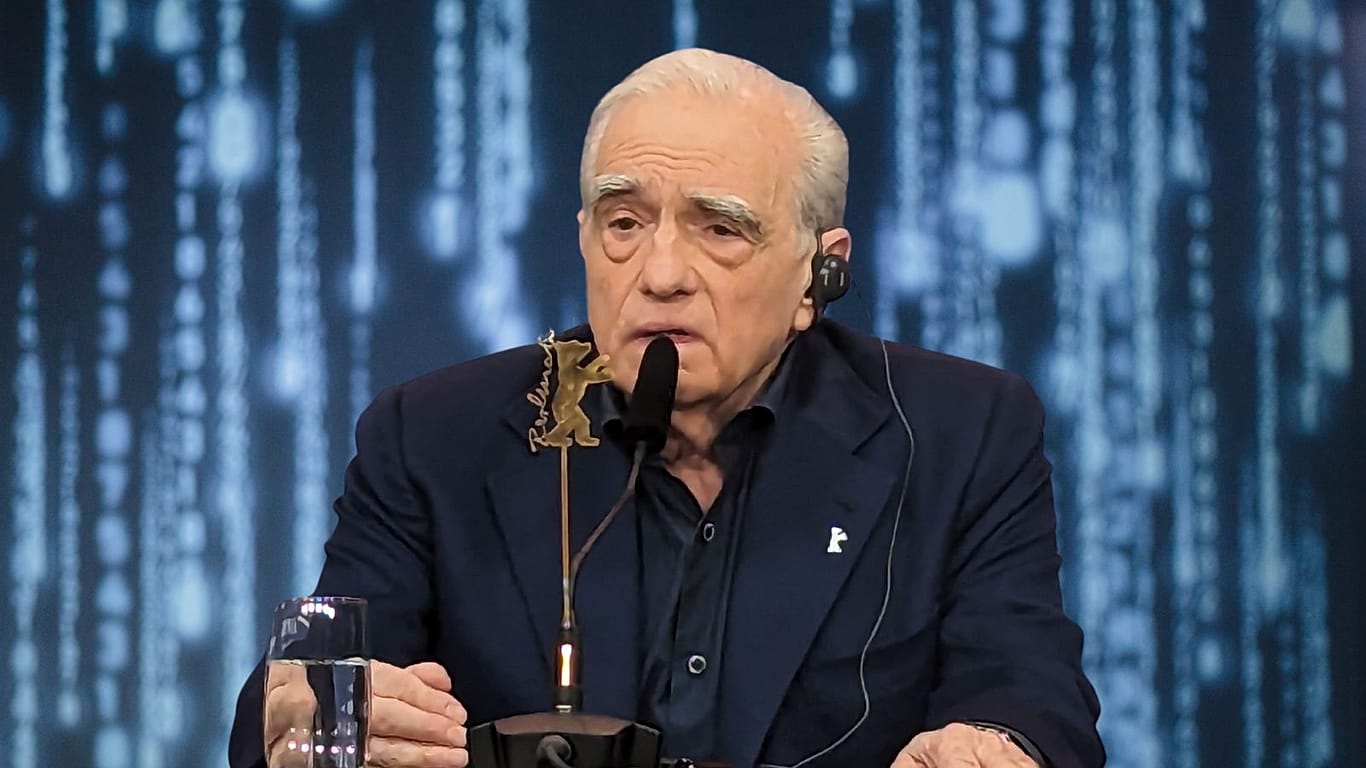
Martin Scorsese has become one of the highest-profile filmmakers to publicly embrace generative artificial intelligence, joining German AI startup Black Forest Labs as an advisor and partner while using its FLUX image-generation technology to help storyboard scenes during preproduction. Scorsese argues that AI can solve a long-standing challenge for directors by helping them more clearly communicate visual concepts to cinematographers, production designers, and other creative collaborators before filming begins. His endorsement immediately reignited the broader debate over AI’s role in creative industries, with supporters viewing the technology as a productivity tool and critics warning that it could displace storyboard artists and other creative professionals. The controversy underscores the growing divide in Hollywood as influential figures increasingly experiment with AI while concerns over artistic integrity, copyright, and employment remain unresolved.
Sources
- https://www.latimes.com/entertainment-arts/story/2026-06-02/martin-scorsese-ai-black-forest-labs-advisor-storyboarding
- https://www.sfchronicle.com/entertainment/movies-tv/article/martin-scorsese-ai-storyboards-22288380.php
- https://ew.com/martin-scorsese-endorses-ai-in-filmmaking-11989472
- https://www.theguardian.com/film/2026/jun/03/martin-scorsese-accused-of-throwing-artists-under-bus-with-ai-storyboards
Key Takeaways
- Martin Scorsese has formally aligned himself with Black Forest Labs, using AI-generated imagery as a preproduction tool to accelerate and improve storyboarding workflows.
- The announcement has intensified Hollywood’s internal debate over generative AI, with many artists and creators arguing that such systems threaten traditional creative jobs and rely on training data gathered without adequate consent.
- Scorsese and other AI supporters maintain that the technology should serve as a creative aid rather than a replacement for human talent, signaling that resistance to AI within the entertainment industry may be weakening as adoption expands.
In-Depth
Martin Scorsese’s decision to embrace artificial intelligence for storyboarding represents a significant moment in the ongoing battle over AI’s place in creative industries. For years, many of Hollywood’s most respected directors, writers, and artists approached generative AI with skepticism, fearing that machines would eventually replace human creativity. Now, one of cinema’s most celebrated filmmakers is publicly arguing the opposite.
Scorsese says AI helps solve a practical problem that has existed throughout his career: translating the images in his mind into something his production team can immediately understand. By using AI-generated storyboards during preproduction, he believes directors can communicate ideas more efficiently while preserving creative intent. Supporters see this as a logical extension of technological innovation, no different from the adoption of digital editing, computer-generated imagery, or advanced camera systems that were once viewed with suspicion.
Critics, however, remain unconvinced. Many artists argue that storyboarding itself is a creative profession and that replacing skilled illustrators with AI-generated images threatens livelihoods while diminishing the human element that has long defined filmmaking. Their concerns are amplified by broader disputes surrounding AI training methods, intellectual property rights, and compensation for creators whose work may have contributed to the development of these systems.
From a conservative perspective, the controversy highlights a familiar reality: technological progress rarely waits for institutional consensus. Markets tend to reward tools that improve efficiency, reduce costs, and enhance productivity. If AI can help filmmakers save time and money without sacrificing quality, adoption is likely to continue regardless of objections from industry gatekeepers. The challenge going forward will be ensuring that innovation remains aligned with respect for creative ownership and individual rights while allowing new technologies to expand artistic possibilities rather than restrict them.