

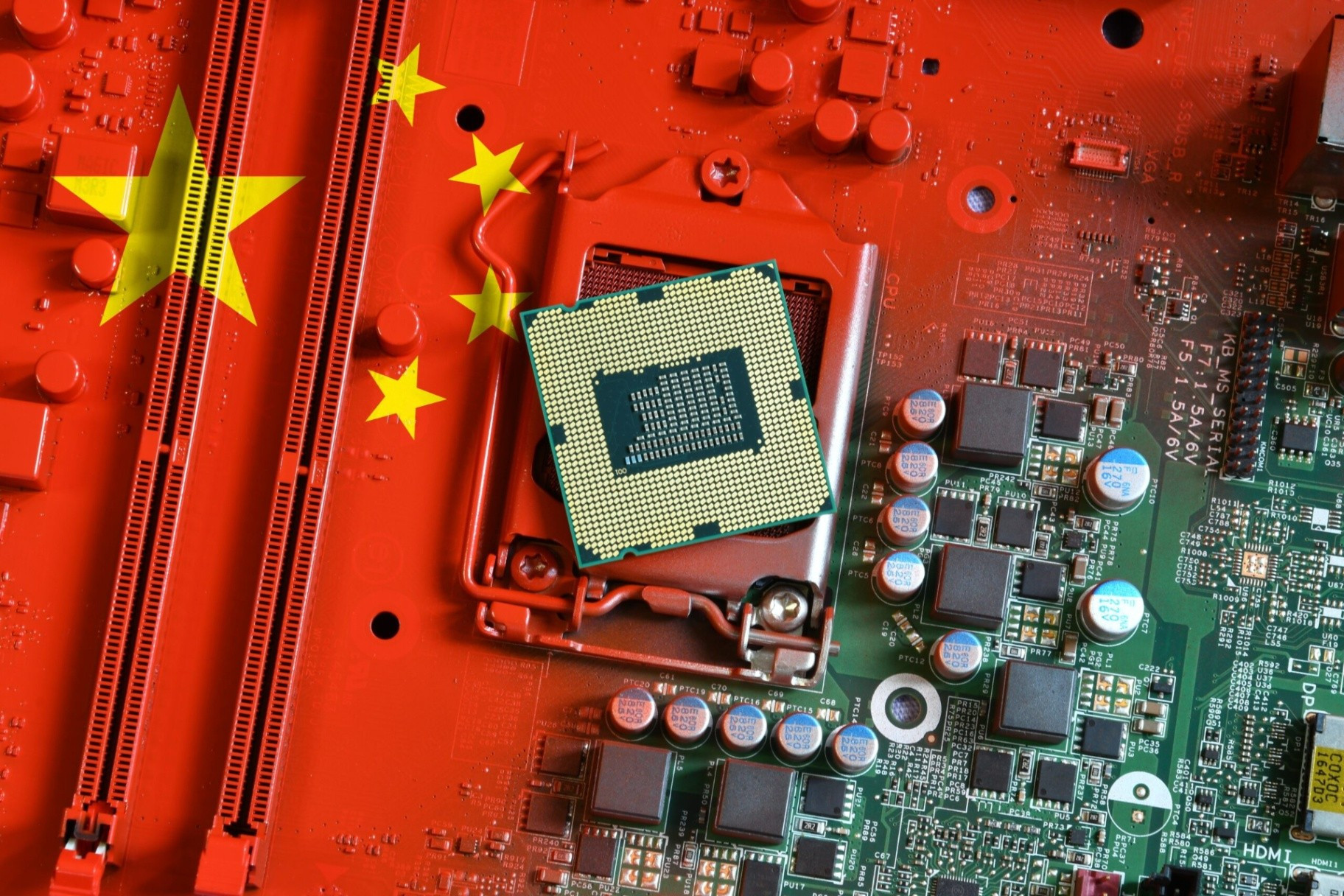
The Trump administration has signaled a potentially significant escalation in the technological competition between the United States and Communist China, with Treasury Secretary Scott Bessent warning that Chinese artificial intelligence developers could face U.S. sanctions if investigations determine their AI models were built through the theft of American intellectual property. Speaking about concerns surrounding AI “distillation”—a process in which one model is trained using the outputs of another—Bessent said the administration supports open-source AI development but will not tolerate foreign entities exploiting U.S. innovation through intellectual property theft. The warning comes amid growing scrutiny of Chinese AI companies whose latest models have demonstrated capabilities rivaling leading American systems, prompting renewed debate over national security, technological leadership, and the protection of America’s AI industry.
Sources
- https://www.theepochtimes.com/china/bessent-says-us-could-sanction-chinese-ai-developers-over-alleged-model-theft-6065241
- https://www.businessinsider.com/treasury-secretary-chinese-ai-open-source-sanctions-kimi-k3-2026-7
- https://nypost.com/2026/07/21/business/chinese-ai-firms-that-rip-off-us-models-could-face-sanctions-treasury-secretary-scott-bessent-warns
Key Takeaways
- • The Trump administration is considering sanctions against Chinese AI developers if evidence confirms they illegally used American AI models or intellectual property to build competing systems.
- • U.S. officials distinguish between supporting open-source artificial intelligence and opposing the unauthorized appropriation of proprietary American technology through model distillation or similar methods.
- • The dispute reflects the broader strategic competition between the United States and Communist China, where artificial intelligence has become both an economic battleground and a national security priority.
In-Depth
The Trump administration has elevated the protection of American artificial intelligence technology to a matter of national security, making it clear that Washington views intellectual property theft in the AI sector no differently than the theft of advanced military or industrial technology. Treasury Secretary Scott Bessent’s warning that Chinese AI developers could face U.S. sanctions if they are found to have improperly built their models from American systems represents another step in an increasingly confrontational technology policy toward Beijing.
At the center of the controversy is a technique known as “distillation,” whereby a newer model learns by analyzing the outputs of a more sophisticated system. While distillation itself has legitimate research applications, American officials argue that unauthorized use of proprietary commercial AI models crosses the line into intellectual property theft. According to Bessent, the administration is investigating whether some Chinese developers have incorporated American innovations into their own models without authorization, allowing them to accelerate development while avoiding the enormous research and development costs borne by U.S. companies.
The concerns are hardly emerging in a vacuum. For months, policymakers have warned that China-linked entities have engaged in what the White House previously characterized as “industrial-scale” efforts to extract capabilities from leading American AI systems. Those earlier allegations described coordinated campaigns involving proxy accounts and other techniques designed to harvest knowledge from U.S. models while circumventing safeguards. If federal investigators conclude that such practices have continued or intensified, sanctions could become one of several tools available to the administration.
From a conservative perspective, the issue extends well beyond commercial competition. The Chinese Communist Party has repeatedly been accused over many years of acquiring Western technology through cyber espionage, forced technology transfers, corporate infiltration, and intellectual property theft. Artificial intelligence now represents perhaps the most strategically important technology of the 21st century, with applications spanning defense, intelligence, healthcare, manufacturing, finance, and critical infrastructure. Allowing America’s chief geopolitical rival to shortcut years of costly research by exploiting U.S. innovation would not simply disadvantage American companies—it could weaken America’s long-term strategic position.
The administration has emphasized that it is not opposed to open-source AI development itself. Rather, officials argue there is a fundamental distinction between open innovation and the unauthorized appropriation of proprietary technology. That distinction may become increasingly important as Chinese open-weight models continue gaining market share internationally while offering performance that increasingly rivals premium American systems.
Whether sanctions ultimately materialize will depend upon the evidence uncovered during the government’s investigation. Nevertheless, the administration’s message is unmistakable: protecting American innovation has become an integral component of national security policy, and Washington appears increasingly willing to use economic sanctions—not just export controls—to defend the technological advantages that underpin U.S. economic strength and military competitiveness.