

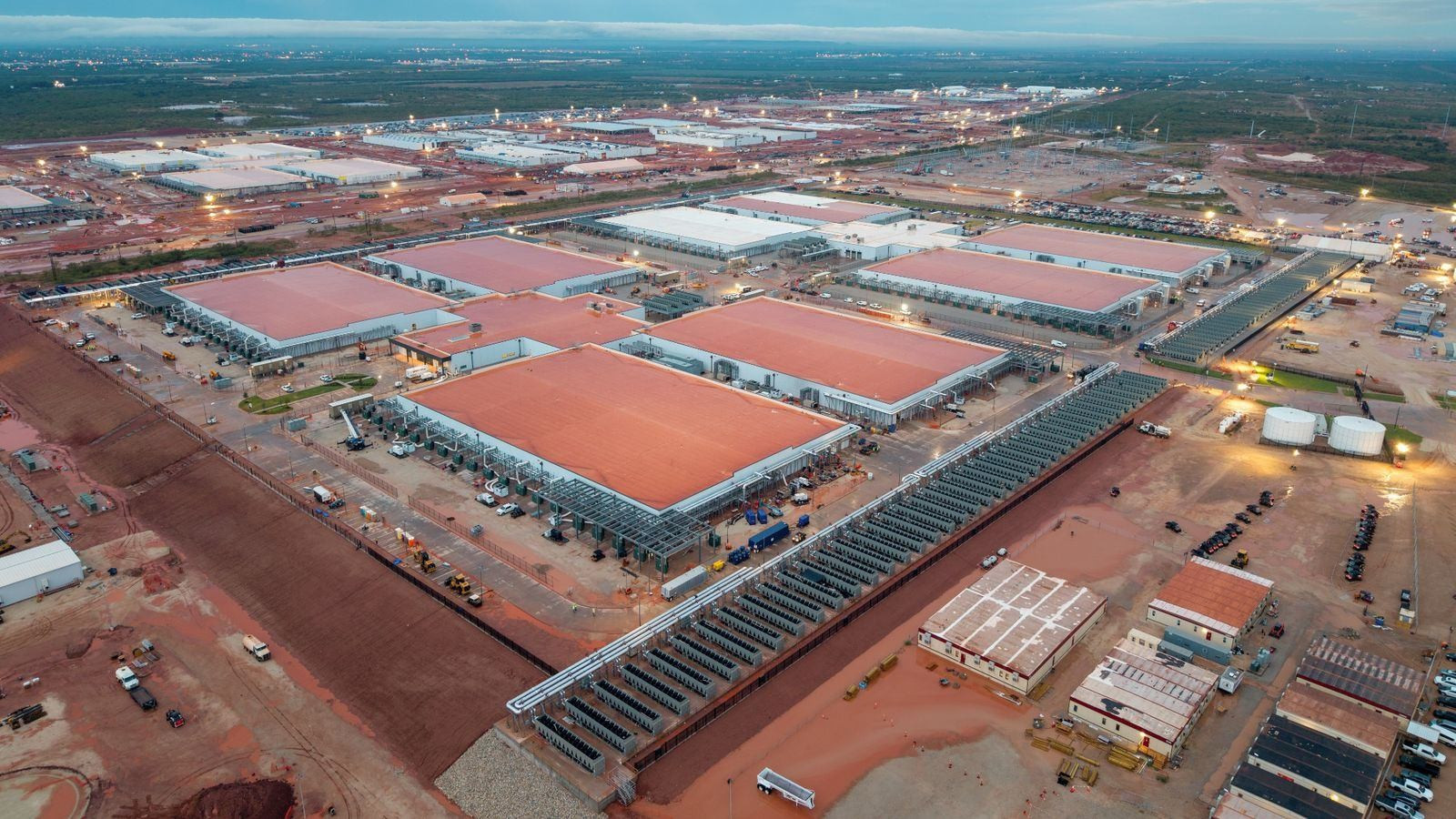
A growing backlash is emerging in Fayetteville, Georgia, and communities across the country as residents question the rapid expansion of massive AI-driven data centers and the burden they may place on local infrastructure, electricity grids, water supplies, and taxpayers. The New York Times video report focuses on Fayetteville residents living near a sprawling QTS data center development, where concerns range from increased traffic and construction impacts to long-term electricity demand. The controversy reflects a broader national debate over whether technology companies are receiving substantial public benefits while local communities absorb the costs. Critics argue that the rush to build AI infrastructure has outpaced meaningful public discussion about energy consumption, utility rates, land use, and transparency, while supporters maintain that these projects are necessary to maintain American technological leadership and economic competitiveness. Recent reporting and research indicate that opposition to large-scale data center projects is accelerating nationwide as voters increasingly scrutinize the real-world consequences of the AI boom.
Sources
- https://www.nytimes.com/video/technology/100000010925668/data-centers-fayetteville-georgia-electricity.html
- https://www.consumerreports.org/data-centers/ai-data-centers-impact-on-electric-bills-water-and-more-a1040338678
- https://sciencesprings.wordpress.com/2026/06/09/from-the-new-york-times-the-movement-to-stop-data-centers/
- https://arxiv.org/abs/2606.05420
Key Takeaways
- AI-driven data centers are consuming unprecedented amounts of electricity, raising concerns that residential ratepayers could ultimately bear the cost of expanding power generation and transmission infrastructure.
- Local communities increasingly question whether the promised economic benefits justify the impacts on traffic, land use, water resources, environmental quality, and quality of life.
- Political resistance to large-scale data center construction is growing across the ideological spectrum, creating an unusual alliance of local residents, environmental activists, taxpayer advocates, and community organizations.
In-Depth
For years, technology companies successfully marketed data centers as largely invisible engines of the digital economy. The rise of artificial intelligence has changed that equation. The facilities now being constructed are so large and energy-intensive that they have become impossible for local communities to ignore.
The Fayetteville controversy highlights a broader national concern: who benefits from the AI revolution, and who pays for it? Residents see massive industrial complexes appearing in formerly quiet areas, accompanied by construction traffic, new transmission infrastructure, and concerns about future utility costs. Meanwhile, many communities are being asked to provide tax incentives and accommodate major zoning changes in exchange for promises of economic growth.
From a conservative perspective, the issue is not opposition to technological progress. The United States must remain the global leader in artificial intelligence and advanced computing. However, genuine free-market principles require transparency and accountability. If data centers create enormous demand for electricity, water, and public infrastructure, taxpayers and ratepayers deserve to know exactly who will bear those costs.
The growing public resistance suggests that Americans are increasingly skeptical of arrangements that privatize profits while socializing expenses. Communities across the country are demanding clearer answers regarding utility rates, environmental impacts, and taxpayer subsidies before approving additional projects.
As the AI race accelerates, policymakers face a critical challenge: ensuring America remains technologically dominant while protecting local communities from becoming unwilling participants in an infrastructure boom whose costs may linger long after construction crews leave town.