

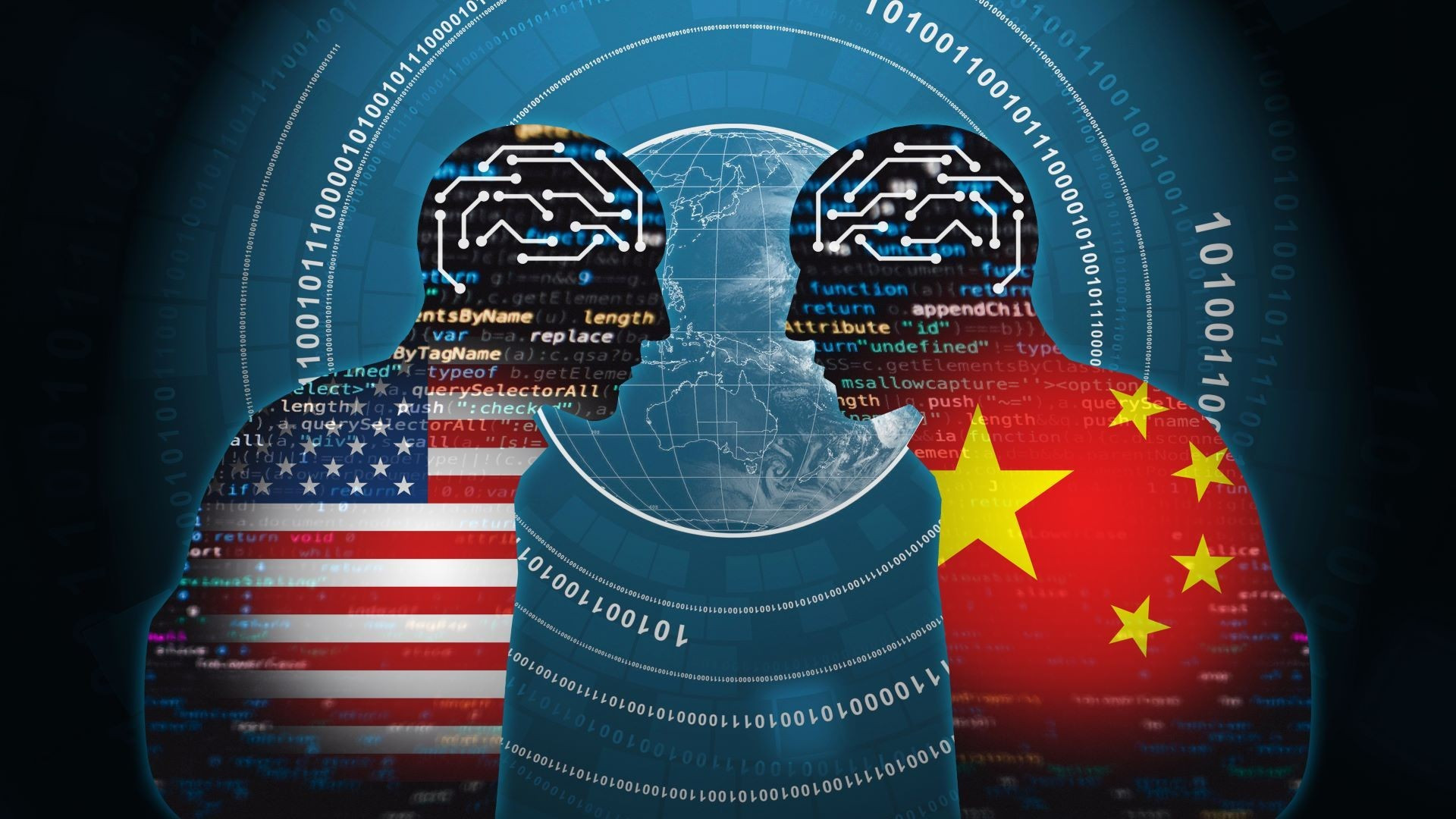
The United States is increasingly focused on the national security and economic risks associated with relying heavily on overseas semiconductor production, particularly in Taiwan, for the advanced chips that power artificial intelligence, defense systems, telecommunications networks, and modern consumer technology. Recent reporting indicates growing concern among U.S. policymakers that any disruption to foreign chip production—whether from geopolitical conflict, Chinese aggression, supply-chain instability, or industrial espionage—could severely impact the American economy and military readiness. At the same time, efforts are underway to expand domestic manufacturing capacity through major investments, new fabrication facilities, and tighter controls on technology transfers to strategic competitors.
Sources
- https://dailycaller.com/2026/06/19/us-concern-chip-making
- https://www.reuters.com/world/china/tsmc-boss-upbeat-outlook-ai-boom-shows-no-sign-easing-2026-06-04
- https://www.reuters.com/world/asia-pacific/tsmc-boss-frets-about-shortages-talent-water-taiwan-2026-06-12
- https://www.reuters.com/world/china/china-targets-taiwans-chip-prowess-evade-global-containment-taipei-government-2026-04-07
- https://www.reuters.com/technology/tsmc-ceo-meet-with-trump-tout-investment-plans-2025-03-03
Key Takeaways
- The United States remains heavily dependent on Taiwan-based semiconductor production for many of the world’s most advanced chips, creating a significant strategic vulnerability.
- Concerns are growing that China is actively attempting to acquire advanced semiconductor technology and talent, increasing pressure on Washington to secure supply chains and protect intellectual property.
- Policymakers increasingly view domestic semiconductor manufacturing as a national security imperative rather than merely an economic development initiative.
In-Depth
For years, American policymakers were content to allow critical manufacturing capacity to migrate overseas in pursuit of lower costs and higher corporate margins. That strategy may have made sense on quarterly earnings reports, but it has created a dangerous reality for the United States: many of the advanced semiconductors that power artificial intelligence systems, military hardware, telecommunications networks, and data centers are produced outside America’s borders, with Taiwan occupying a particularly dominant position.
The growing concern emerging from Washington reflects a recognition that economic efficiency and national security are not always aligned. If a conflict were to erupt in the Taiwan Strait, or if production were disrupted by natural disaster, cyberattack, or political coercion, the consequences would ripple through nearly every sector of the American economy. From defense contractors to technology companies, countless organizations depend on a steady supply of cutting-edge chips.
Compounding these concerns are reports that China continues seeking access to advanced semiconductor expertise, technology, and talent. As the strategic competition between Washington and Beijing intensifies, semiconductors have become a central battleground in the struggle for technological supremacy. Control over advanced chip production increasingly equates to control over future economic growth, artificial intelligence development, and military capability.
From a conservative perspective, the lesson is straightforward: a nation that cannot reliably manufacture the technologies essential to its defense and prosperity is placing its future in the hands of others. Efforts to expand domestic chip production, strengthen supply-chain resilience, and reduce dependence on foreign manufacturing are not protectionism for its own sake. They are prudent measures designed to restore strategic independence and ensure that America’s technological future remains secure.