

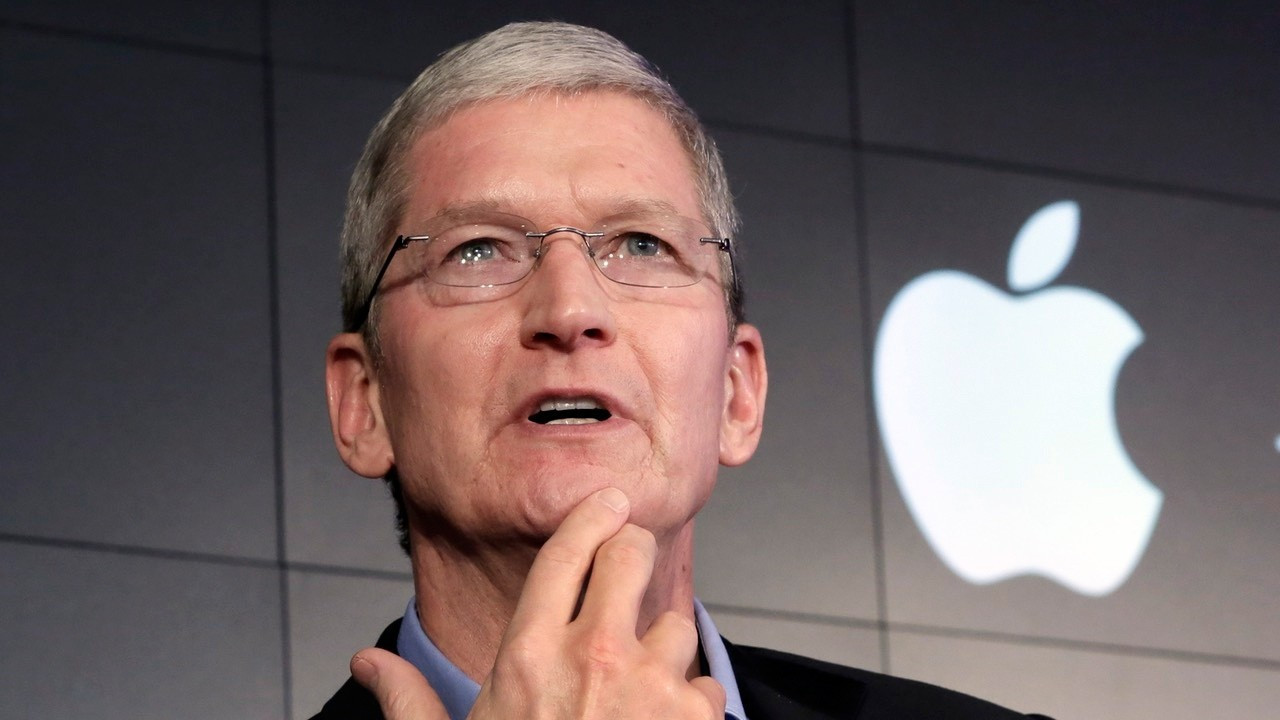
Apple CEO Tim Cook has warned that price increases across Apple’s product lineup have become “unavoidable” as soaring memory and storage chip costs continue to squeeze the company’s margins. According to reports, explosive demand for artificial intelligence infrastructure has created a global competition for DRAM and NAND memory chips, driving prices sharply higher and constraining supply for consumer electronics manufacturers. Despite Apple’s vast financial resources and efforts to absorb higher costs, Cook acknowledged that the company can no longer shield consumers from the impact. Analysts suggest the rising costs could eventually affect iPhones, iPads, and Macs, with some estimates indicating premium smartphone prices may rise significantly if current market conditions persist. The development underscores how the AI boom is creating ripple effects throughout the broader technology sector, affecting not only data centers and cloud providers but also everyday consumer products.
Sources
- https://www.foxbusiness.com/fox-news-tech/apple-ceo-says-price-hikes-are-unavoidable-rising-chip-costs-squeeze-tech-giant-report
- https://www.reuters.com/business/apple-raise-prices-due-memory-chip-shortage-ceo-tells-wsj-2026-06-17
- https://www.wsj.com/tech/apple-price-increases-memory-supply-199845b1
- https://www.marketwatch.com/story/microns-stock-is-on-the-rise-even-apple-isnt-safe-from-ballooning-memory-chip-costs-ddd04d74
- https://techcrunch.com/2026/06/17/ai-is-hurting-apple-in-more-ways-than-one-it-may-force-iphone-price-increases/
Key Takeaways
- Artificial intelligence infrastructure demand is consuming enormous quantities of memory and storage chips, creating shortages that are driving prices higher across the technology sector.
- Apple, despite its market power and financial strength, can no longer absorb rising component costs and is preparing consumers for higher prices on future products.
- The chip supply imbalance appears likely to persist for years, suggesting that elevated prices for consumer electronics may become a long-term reality rather than a temporary disruption.
In-Depth
For years, Apple has been regarded as one of the few companies powerful enough to dictate terms throughout its supply chain. That reality appears to be changing. As artificial intelligence development accelerates around the world, demand for advanced memory and storage chips has exploded, creating shortages that even the world’s most valuable technology companies are struggling to overcome. Tim Cook’s admission that price increases are “unavoidable” marks a significant acknowledgment that market forces are overwhelming traditional supply-chain advantages.
The broader story is not merely about Apple. It is about the unintended consequences of the AI race. Massive investments by technology giants in data centers, AI servers, and large-scale computing infrastructure are consuming unprecedented quantities of DRAM and NAND memory. As suppliers prioritize the highest-paying customers and the most profitable applications, consumer electronics manufacturers are finding themselves forced to pay more for critical components.
From a free-market perspective, the situation demonstrates how demand drives resource allocation. Companies building AI infrastructure are willing to spend extraordinary sums to secure chip supplies, and manufacturers naturally respond by directing production toward the highest returns. The result is that ordinary consumers may soon face higher prices for smartphones, tablets, and personal computers.
Apple’s warning also serves as a reminder that technological revolutions are rarely free. While AI promises productivity gains and new capabilities, the costs associated with building that future are increasingly being passed through the supply chain. For consumers accustomed to relatively stable pricing in electronics, the coming years may bring a noticeable shift as the AI boom continues to reshape the economics of the technology industry.