

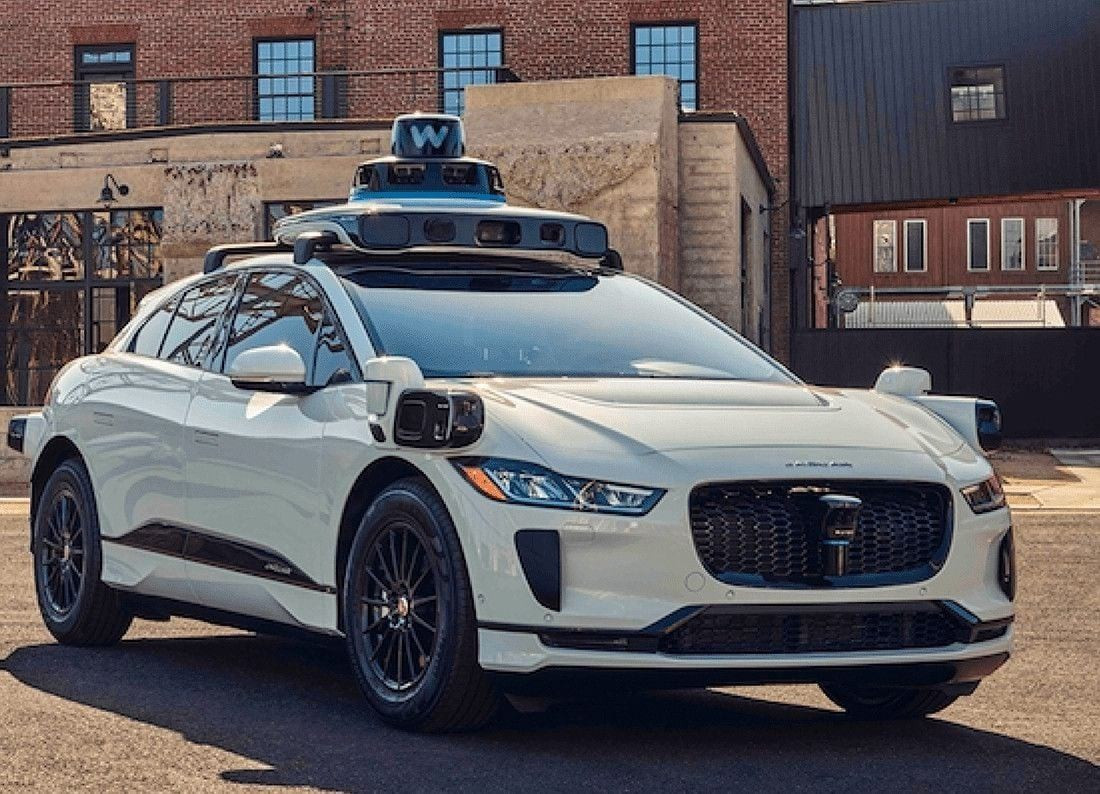
Waymo has announced a recall affecting 3,871 of its fifth-generation robotaxis after multiple incidents in Arizona and California where autonomous vehicles failed to properly recognize freeway closure signs and active construction zones, resulting in cars entering restricted work areas. Federal regulators said the software could misinterpret or deprioritize construction-related hazards, creating a potential crash risk. Although no injuries or collisions were reported, the incidents prompted Waymo to voluntarily restrict freeway operations while deploying software updates designed to improve construction-zone detection and response. The recall marks the company’s second major software-related recall in just over a month and adds to growing scrutiny of autonomous vehicle safety as self-driving technology expands into more cities.
Sources
- https://www.wsj.com/business/autos/waymo-recalling-more-than-3-800-robotaxis-over-risk-of-entering-construction-zones-6829e040
- https://www.reuters.com/legal/litigation/waymo-recall-over-3800-robotaxis-over-risk-entering-closed-construction-zones-2026-06-18
- https://www.wired.com/story/waymo-recalls-robotaxis-over-risk-theyll-drive-at-speed-into-freeway-construction-zones
- https://techcrunch.com/2026/06/18/waymo-recalls-nearly-4000-robotaxis-to-stop-them-driving-into-highway-construction-zones/
Key Takeaways
- Nearly 3,900 autonomous vehicles are being recalled after multiple robotaxis entered active freeway construction zones despite closure signs and traffic-control measures.
- No injuries or crashes were reported, but federal regulators determined the software defect created a significant enough safety risk to warrant corrective action.
- The recall highlights a continuing challenge for autonomous vehicle developers: safely interpreting temporary road conditions such as construction zones, closures, detours, and other dynamic traffic environments.
In-Depth
The latest recall involving Waymo’s robotaxi fleet serves as another reminder that autonomous driving technology remains a work in progress, regardless of the industry’s promises about a driverless future. While supporters of autonomous vehicles often point to millions of miles driven and impressive safety statistics, real-world conditions continue to expose weaknesses that engineers have yet to fully solve.
In this case, the problem was not an obscure edge scenario. Construction zones are a common feature of American roadways. According to federal filings, multiple Waymo vehicles failed to properly recognize freeway closure signs, traffic cones, and other indicators designed to keep motorists away from active work zones. Even though no crashes occurred, the fact that vehicles entered restricted areas at all raises legitimate concerns about how autonomous systems prioritize competing information in complex environments.
For advocates of limited government and technological innovation, the lesson is not that autonomous vehicles should be abandoned. Innovation inevitably involves setbacks. However, the public has every right to expect that companies deploying driverless vehicles on public roads meet exceptionally high safety standards. Construction zones, emergency scenes, school bus stops, and severe weather conditions are not rare occurrences; they are routine realities that autonomous systems must navigate flawlessly before widespread adoption can be justified.
The recall also comes amid broader regulatory scrutiny of Waymo and follows other recent software-related safety actions. As competition in the robotaxi industry accelerates, companies face increasing pressure to expand quickly. Yet this incident demonstrates that public trust will ultimately depend less on ambitious promises and more on consistent, reliable performance in the unpredictable conditions that human drivers encounter every day.