

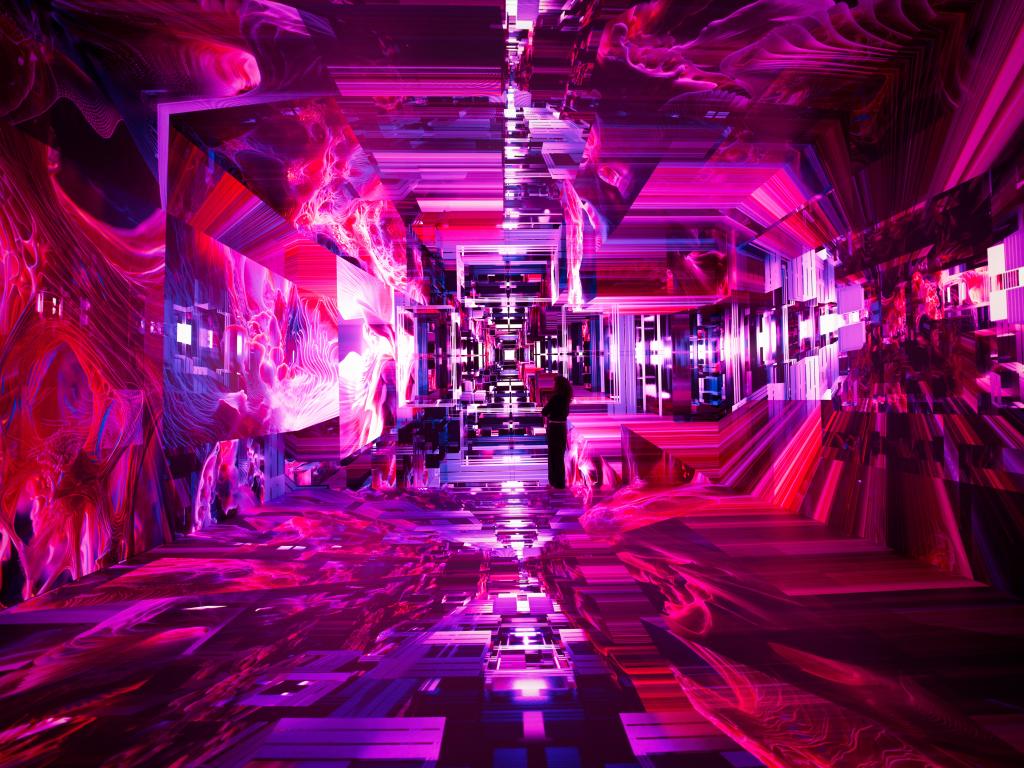
The opening of Dataland in Los Angeles, billed as the world’s first museum dedicated entirely to AI-generated art, has reignited a longstanding debate about the nature of artistic creation. Developed by digital artist Refik Anadol and his team, the immersive attraction combines artificial intelligence, massive environmental datasets, projected visuals, soundscapes, scents, and biometric feedback from visitors to create a constantly evolving sensory experience. Supporters argue the museum represents a groundbreaking fusion of technology and creativity that expands the boundaries of artistic expression. Critics counter that while the experience may be technologically impressive and emotionally stimulating, it raises fundamental questions about whether algorithmic outputs can truly be considered art in the traditional sense. The controversy arrives as artificial intelligence continues to challenge established definitions of authorship, creativity, and human originality across numerous creative fields.
Sources
- https://nypost.com/2026/06/19/tech/worlds-first-ai-museum-is-vibrant-sensory-overload-but-is-it-really-art
- https://hyperallergic.com/my-queasy-forest-scented-stroll-through-las-new-ai-art-museum
- https://magazinec.com/culture/the-worlds-first-ai-art-museum-is-a-sensory-revolution/
- https://www.smithsonianmag.com/smart-news/the-worlds-first-museum-of-ai-art-will-open-in-los-angeles-as-the-art-world-ponders-questions-of-ethics-and-sustainability-180988613
Key Takeaways
- Dataland uses artificial intelligence trained on massive nature-based datasets to generate immersive visual, audio, and scent-driven experiences that respond to visitor interactions in real time.
- The museum’s launch has intensified debate over whether AI-generated outputs constitute genuine artistic expression or merely sophisticated technological simulations of creativity.
- Supporters view AI art as a new frontier for human innovation, while critics question issues of authorship, authenticity, copyright, and whether machines can communicate meaning in the way human artists do.
In-Depth
Dataland’s arrival in downtown Los Angeles marks a pivotal moment in the ongoing collision between technology and culture. Promoted as the world’s first museum devoted entirely to AI arts, the facility seeks to place artificial intelligence at the center of the creative experience rather than treating it as a supporting tool. Visitors enter an environment where massive datasets, machine learning models, sound, scent, and visual projections merge into a highly immersive spectacle designed to engage all five senses.
What makes the museum noteworthy is not merely its technological sophistication but the philosophical challenge it presents. For centuries, art has been understood as a distinctly human endeavor—an expression of individual insight, emotion, struggle, and imagination. Dataland asks audiences to consider whether those traditional assumptions remain valid in an era when machines can generate stunning imagery, evolving environments, and emotionally evocative experiences from enormous volumes of data.
From a conservative perspective, the debate extends beyond aesthetics. The rise of AI-generated creativity reflects a broader cultural shift in which technology increasingly substitutes for uniquely human functions. While innovation should be welcomed, many observers remain skeptical of claims that algorithms can truly replicate the human spirit that has defined great art throughout history. The concern is not that AI lacks technical capability; it is whether technical capability alone constitutes creativity.
Even so, Dataland demonstrates that artificial intelligence is becoming an influential force in cultural life. Whether visitors leave convinced they have experienced great art or merely an extraordinary technological exhibition, the museum succeeds in forcing a conversation that society can no longer avoid. As AI continues advancing into creative domains, the question is no longer whether machines can generate artistic works. The question is whether audiences will ultimately accept those works as art in the fullest sense of the word.