

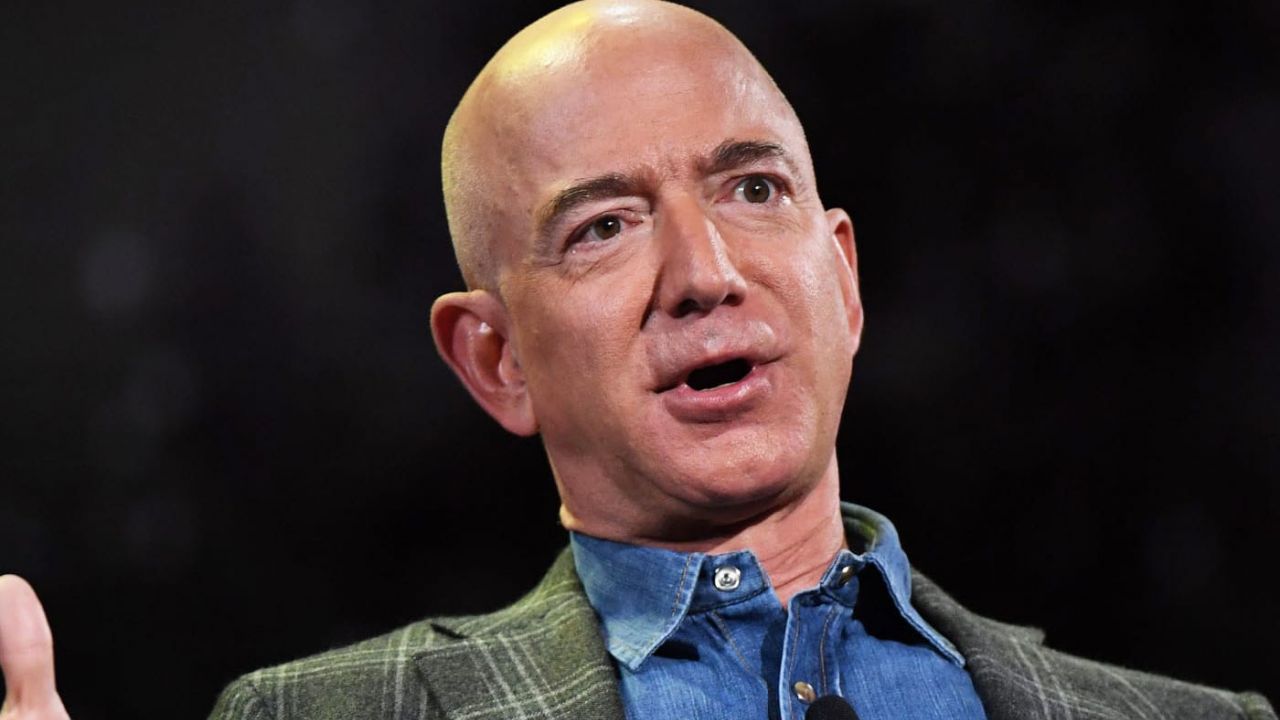
Jeff Bezos is pushing back against the increasingly common narrative that artificial intelligence will eliminate vast numbers of jobs, arguing instead that AI will unleash a wave of innovation so powerful that businesses will struggle to find enough workers. Speaking at the VivaTech conference in Paris, Bezos contended that AI will dramatically accelerate the process of turning ideas into products and businesses, creating new industries, expanding existing ones, and increasing demand for human talent. His view stands in contrast to warnings from some technology executives and economists who foresee significant workforce disruption. Bezos believes AI will amplify human productivity, entrepreneurship, and economic growth, ultimately leading to labor shortages rather than widespread unemployment.
Sources
- https://nypost.com/2026/06/17/business/why-jeff-bezos-predicts-ai-will-create-labor-shortage
- https://www.reuters.com/business/world-at-work/ai-will-lead-labour-shortages-jeff-bezos-says-vivatech-2026-06-17
- https://www.businessinsider.com/jeff-bezos-ai-will-create-labor-shortage-not-mass-unemployment-2026-6
- https://www.foxbusiness.com/economy/jeff-bezos-predicts-ai-create-labor-shortage-not-replace-human-workers-across-economy
Key Takeaways
- AI may increase demand for workers by making it easier for entrepreneurs and businesses to create new products, services, and industries.
- Bezos rejects the assumption that productivity gains automatically translate into fewer jobs, arguing that innovation historically creates new categories of employment.
- The debate over AI’s labor impact remains unsettled, with Bezos offering a markedly more optimistic outlook than many technology leaders who warn of large-scale workforce displacement.
In-Depth
For years, Americans have been told that artificial intelligence represents an existential threat to millions of jobs. From white-collar office positions to manufacturing roles, the prevailing assumption has been that smarter machines inevitably mean fewer opportunities for human workers. Jeff Bezos is challenging that assumption in dramatic fashion.
His argument rests on a simple observation: throughout modern history, technological advances have consistently increased productivity while also creating entirely new industries and occupations. Rather than reducing the need for human labor, innovation often expands economic activity to such a degree that demand for workers grows. Bezos believes AI will follow that same pattern.
From a conservative perspective, this view aligns with the long-standing belief that free markets and technological innovation are engines of prosperity, not threats to it. The Industrial Revolution, the computer age, and the internet all sparked fears of mass unemployment. Instead, each created new opportunities, higher standards of living, and economic growth that few could have imagined beforehand.
Bezos argues that AI will dramatically shorten the distance between an idea and a finished product. When innovators can move from concept to execution faster and at lower cost, more businesses are launched, more products are developed, and more economic activity is generated. That expansion, he contends, will require more human participation, not less.
While legitimate concerns remain about job displacement in specific sectors, Bezos’ forecast offers a reminder that technology’s ultimate effect is often to empower human creativity rather than replace it. If his prediction proves correct, the greatest challenge of the AI era may not be finding jobs for people, but finding enough people to fill the jobs that AI helps create.