

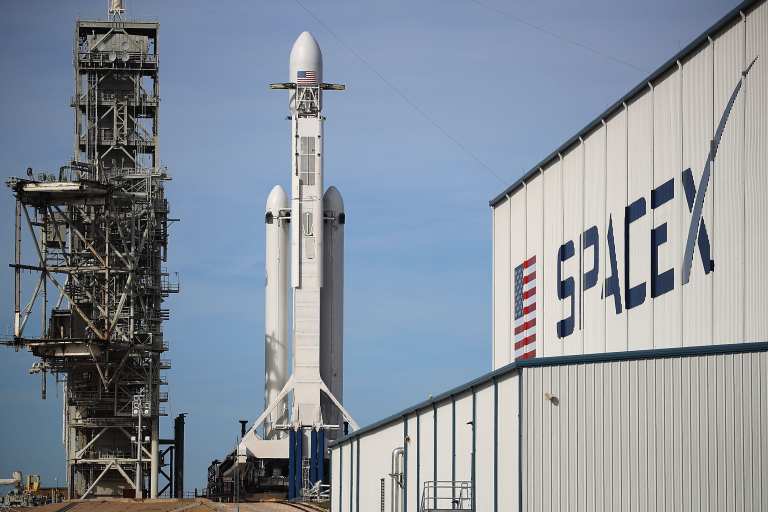
A controversy erupted after SpaceX received the lowest possible ESG (Environmental, Social, and Governance) rating from MSCI ahead of its highly anticipated public offering. Critics argue the rating highlights longstanding problems with ESG scoring systems, pointing to the apparent disconnect between SpaceX’s transformative achievements in commercial spaceflight, satellite communications, and national security support on one hand, and its poor ESG assessment on the other. Supporters of the rating cite governance concerns, concentrated shareholder control, labor controversies, and limited ESG disclosures. The dispute has reignited a broader debate over whether ESG frameworks measure genuine corporate value and societal benefit or simply enforce ideological and bureaucratic standards that often fail to reflect innovation, economic growth, and technological leadership.
Sources
- https://www.zerohedge.com/markets/financial-times-hypes-spacexs-dismal-esg-rating-msci-really-nobody-cares
- https://www.ft.com/content/a0dd4ea7-ef3d-4460-a96c-8c6975a053e3
- https://sustainableinvest.com/one-ipo-two-universes-what-spacex-means-for-sustainable-index-fund-investors
Key Takeaways
- SpaceX received MSCI’s lowest ESG rating despite becoming one of the world’s most influential aerospace and communications companies.
- ESG critics argue the rating demonstrates how sustainability metrics can penalize innovation, defense partnerships, and founder-led corporate structures rather than focusing on real-world outcomes.
- The controversy highlights a growing divide between investors focused on financial performance and technological advancement versus those emphasizing ESG disclosure, governance structures, and sustainability reporting requirements.
In-Depth
The decision by MSCI to assign SpaceX its lowest possible ESG rating has become the latest flashpoint in the ongoing battle over the relevance and credibility of Environmental, Social, and Governance investing. At a time when SpaceX is widely regarded as one of the most successful private-sector technology ventures in modern history, many investors are questioning how a company that revolutionized space launch capabilities, dramatically reduced launch costs, expanded global internet access through Starlink, and strengthened American national security could be ranked so poorly.
According to the rating methodology, concerns center on governance issues, shareholder rights, board independence, labor disputes, and the company’s limited ESG disclosures. Supporters of ESG frameworks contend that these factors are material risks that investors should consider alongside traditional financial metrics.
Yet many on the political right view the rating as evidence that ESG has drifted away from measuring genuine corporate excellence and toward enforcing a rigid set of ideological preferences. They argue that a company advancing American technological leadership, supporting military readiness, and creating groundbreaking innovations should not be placed in the same ESG category as governments and entities associated with far more serious controversies.
The SpaceX case also exposes a broader tension within modern finance. Traditional investors tend to prioritize profitability, innovation, market leadership, and long-term growth. ESG proponents often place greater emphasis on governance structures, reporting standards, and social-impact criteria. As SpaceX’s market success continues despite its poor ESG score, critics contend that investors are increasingly voting with their dollars rather than with sustainability scorecards.
Whether one supports or opposes ESG investing, the SpaceX controversy underscores a growing reality: many market participants are becoming less concerned with ESG ratings and more focused on companies that deliver transformative products, economic value, and strategic advantages for the United States. As that divide widens, debates over the future role of ESG in capital markets are likely to intensify rather than fade.