

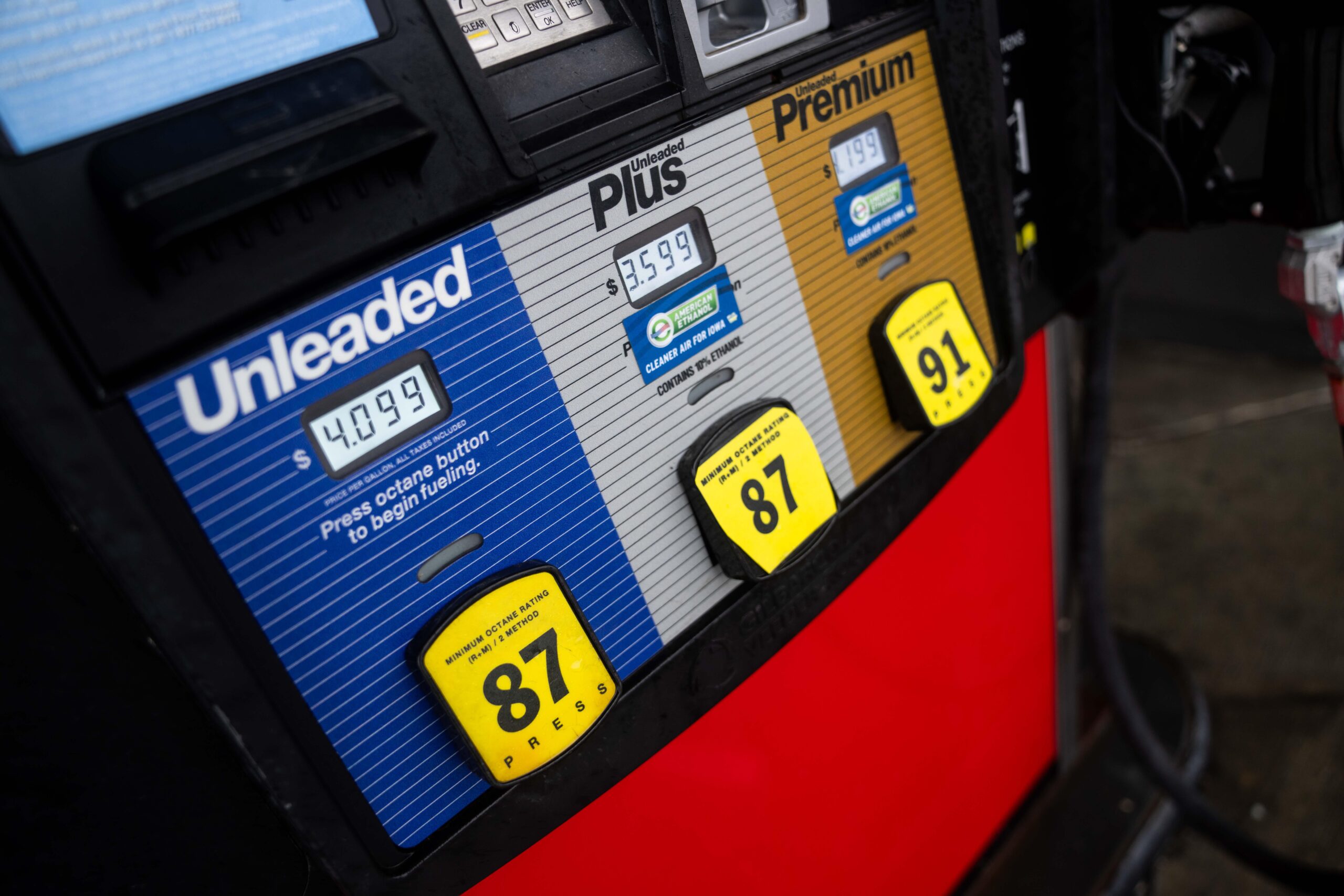
A new class-action lawsuit filed in federal court is testing California’s recently strengthened antitrust law by alleging that numerous gas station operators used a common algorithmic pricing platform to coordinate retail gasoline prices rather than compete independently. The case centers on the state’s revised Cartwright Act, which lawmakers amended to explicitly prohibit the use of shared pricing algorithms as part of unlawful price-fixing arrangements. Plaintiffs contend that participating retailers effectively outsourced pricing decisions to software designed to maximize profits, resulting in Californians paying artificially inflated fuel prices that cannot be fully explained by crude oil costs, taxes, environmental regulations, or normal market forces. Defendants are expected to dispute both the factual allegations and the legal interpretation of the new statute. The litigation could become one of the first major judicial tests of California’s effort to adapt antitrust law to the growing use of artificial intelligence and algorithm-driven pricing systems, potentially setting a precedent for future cases involving AI-assisted pricing across multiple industries.
Sources
- https://www.latimes.com/california/story/2026-07-01/lawsuit-over-gas-prices-tests-clarification-to-states-antitrust-law
- https://www.afslaw.com/perspectives/alerts/californias-new-algorithmic-pricing-law-focus-gas-station-antitrust-lawsuit
- https://www.washingtonpost.com/business/2026/06/24/gas-price-california-lawsuit-kalibrate-collusion/28d247d2-700a-11f1-8730-e7fd0e2a6404_story.html
Key Takeaways
- California’s amended antitrust law is receiving its first significant legal test over whether shared AI-driven pricing software can constitute unlawful price fixing without traditional agreements among competitors.
- Plaintiffs argue that algorithmic pricing has replaced genuine price competition, leaving consumers to pay higher gasoline prices while retailers allegedly benefit from coordinated pricing strategies.
- The outcome could influence antitrust enforcement well beyond gasoline sales, shaping how courts evaluate artificial intelligence and pricing algorithms in retail markets nationwide.
In-Depth
California’s latest gasoline lawsuit represents far more than another dispute over high prices at the pump. It reflects an increasingly important legal battle over whether artificial intelligence and algorithmic decision-making can be used to accomplish indirectly what competitors have long been forbidden from doing directly. By amending the Cartwright Act, California lawmakers sought to ensure that companies cannot avoid antitrust liability simply by delegating pricing decisions to a shared software platform. The plaintiffs now argue that this is precisely what occurred in the state’s retail gasoline market.
For consumers already paying some of the nation’s highest fuel prices, the allegations are particularly significant. California’s gasoline costs have long been attributed to high taxes, environmental regulations, refinery constraints, and supply disruptions. Even so, the lawsuit contends that another factor has emerged: sophisticated pricing software allegedly designed to optimize profits by reducing meaningful price competition among participating retailers. If those claims are ultimately proven, they would reinforce concerns that technology can become a tool for coordinated market behavior rather than increased efficiency.
From a conservative perspective, the case also illustrates a broader principle. Free markets function only when businesses genuinely compete. Whether price coordination occurs through smoke-filled back rooms or sophisticated computer algorithms, consumers lose when competition is weakened. At the same time, courts should require strong evidence before imposing liability simply because companies employ advanced technology. The lawsuit therefore presents an important opportunity to establish clear legal standards that protect honest competition without discouraging legitimate innovation, with consequences likely to extend well beyond California’s gasoline industry.