

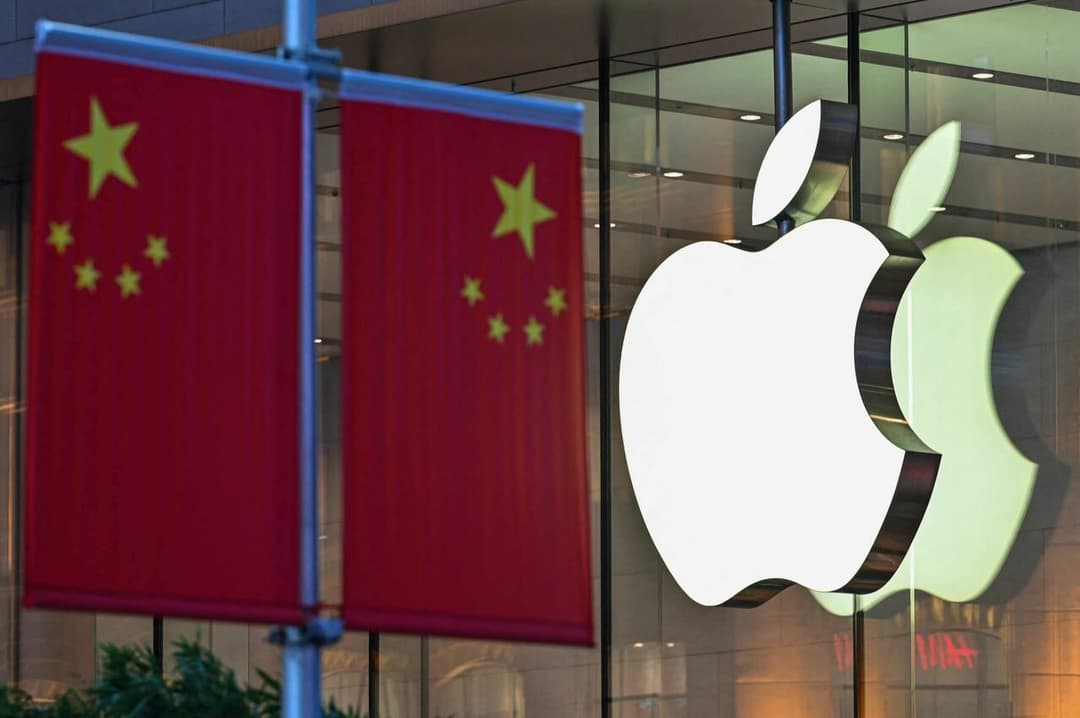
Apple is reportedly lobbying the Trump administration for permission to purchase memory chips from ChangXin Memory Technologies (CXMT), a Chinese semiconductor manufacturer that has been blacklisted by the Pentagon over alleged ties to China’s military. The move comes as the explosive growth of artificial intelligence infrastructure has driven global demand for memory chips to unprecedented levels, forcing manufacturers to prioritize lucrative AI data center customers over consumer electronics. Apple recently raised prices on several products, citing soaring memory and storage costs, and is reportedly seeking regulatory approval to use CXMT chips in devices sold only within China in an effort to reduce costs while limiting national security concerns. The development underscores the increasingly difficult balancing act between protecting America’s technological and national security interests and maintaining competitive pricing in the global consumer electronics market, with any approval likely to face intense scrutiny from lawmakers concerned about U.S. dependence on Chinese technology.
Sources
- https://www.reuters.com/world/asia-pacific/apple-seeks-approval-buy-chips-blacklisted-chinese-company-ft-reports-2026-06-27/
- https://www.tomshardware.com/tech-industry/apple-reportedly-lobbies-uncle-sam-for-access-to-chinese-memory-chips-tech-giant-allegedly-wants-to-buy-from-blacklisted-cxmt
- https://www.zerohedge.com/technology/apple-negotiating-buy-blacklisted-chinese-chips-ease-ai-driven-shortage
Key Takeaways
- Apple’s AI-related cost pressures are colliding with U.S. national security policy, prompting the company to seek access to lower-cost Chinese memory chips despite CXMT’s military-related designation.
- The AI boom is reshaping the semiconductor market, with memory manufacturers increasingly dedicating production to high-margin AI data center customers, driving up costs for consumer electronics.
- Washington faces a difficult policy decision between maintaining a hard line against Chinese technology firms and easing inflationary pressures affecting American companies and consumers.
In-Depth
Apple’s reported effort to secure approval for purchases from a Pentagon-blacklisted Chinese chipmaker illustrates how the artificial intelligence revolution is creating economic pressures that even the world’s largest technology companies cannot escape. Demand for AI infrastructure has fundamentally altered the memory chip market, redirecting manufacturing capacity toward data centers while leaving consumer electronics manufacturers facing rapidly escalating costs. Apple has already acknowledged those realities through product price increases, making clear that absorbing higher component costs is no longer sustainable.
The larger issue, however, extends well beyond Apple’s balance sheet. The United States has spent years attempting to reduce dependence on Chinese technology suppliers, particularly companies believed to have links to Beijing’s military establishment. That strategy reflects legitimate national security concerns about protecting critical supply chains and limiting China’s technological advancement. From a conservative perspective, weakening those safeguards simply because prices have risen would represent a troubling precedent that could undermine years of strategic policy.
At the same time, the situation highlights an uncomfortable reality: global supply chains remain deeply intertwined, and market forces can quickly expose vulnerabilities. If American companies cannot obtain sufficient memory from trusted suppliers at competitive prices, pressure will continue mounting for regulatory exceptions. The better long-term solution is not expanding reliance on Chinese firms, but accelerating domestic semiconductor production and strengthening partnerships with trusted allies. Doing so would reduce strategic dependence while helping stabilize supplies for American manufacturers. Apple’s request therefore represents more than a procurement decision—it is another reminder that economic competitiveness and national security are now inseparable in the race for technological leadership.