

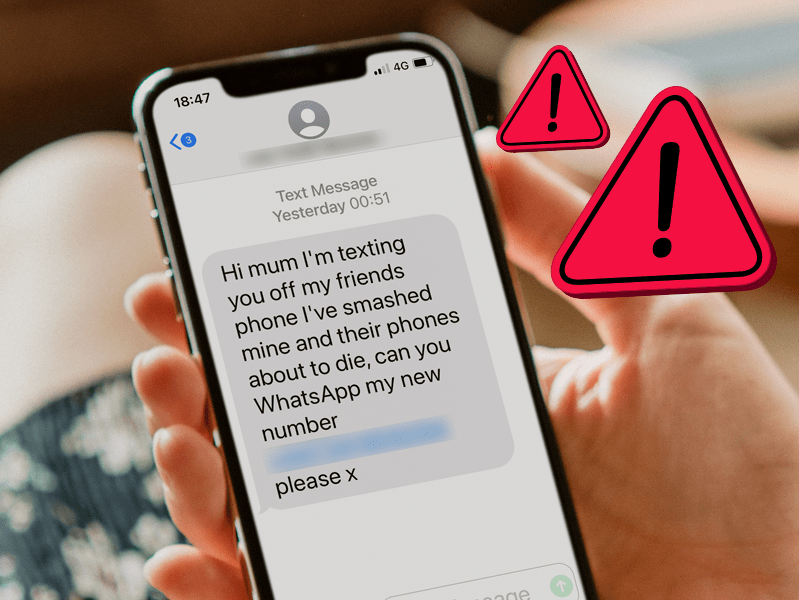
A new variation of the “Hi Mom” text-message scam is exploiting one of the strongest human instincts: a parent’s desire to help a child in distress. Rather than relying on suspicious links or obvious demands for money, scammers begin with a believable story claiming a phone was damaged and that the sender is using a temporary number. Once trust is established, victims are steered into a separate conversation where requests for money, payment through digital apps, cryptocurrency, gift cards, or even one-time security codes quickly follow. Cybersecurity experts and federal authorities advise Americans to slow down, independently verify the sender through known contact information, never share authentication codes, and avoid making financial transactions based solely on unexpected text messages. As cybercriminals become more sophisticated, common sense and verification remain the strongest defenses against increasingly convincing social engineering attacks.
Sources
- https://nypost.com/2026/07/05/tech/hi-mom-text-scam-how-to-spot-fake-emergency-texts
- https://consumer.ftc.gov/articles/how-recognize-and-report-spam-text-messages
- https://www.fcc.gov/consumers/guides/stop-unwanted-robocalls-and-texts
- https://cyberguy.com/scams/hi-mom-text-scam-spot-fake-emergency-texts
Key Takeaways
- Criminals are abandoning obvious phishing tactics in favor of realistic family emergencies designed to trigger emotional reactions before victims stop to verify the sender’s identity.
- The most significant warning sign is a request to continue the conversation using a second unfamiliar phone number, followed by demands for money or account verification codes.
- The safest response is to independently contact the family member using an existing phone number or another trusted communication method before taking any action.
In-Depth
The latest evolution of the “Hi Mom” scam demonstrates that cybercriminals are becoming more skilled at exploiting human psychology rather than relying solely on technology. Instead of filling messages with poor grammar, suspicious hyperlinks, or unbelievable claims, today’s scammers are crafting scenarios that appear entirely plausible. A damaged phone, a work phone, or a borrowed device all sound like ordinary inconveniences that could happen to anyone, making recipients more likely to respond before questioning the authenticity of the message.
What should concern Americans is that these scams succeed because they prey on emotion rather than ignorance. Even technologically savvy individuals can become victims when they believe a loved one needs immediate assistance. Once communication begins, scammers often escalate the situation with increasingly urgent requests for money through payment platforms, cryptocurrency, or gift cards because those transactions are difficult to reverse. Some go a step further by requesting one-time authentication codes, potentially giving criminals access to financial accounts, email services, or mobile phone accounts.
The broader lesson is that Americans must develop habits of verification before reaction. Federal authorities consistently recommend contacting family members through previously known phone numbers, refusing to provide verification codes under any circumstances, and treating unexpected financial requests with skepticism. As criminals continue refining social engineering tactics, personal vigilance—not additional government regulation—remains the most effective defense against increasingly sophisticated digital fraud.