

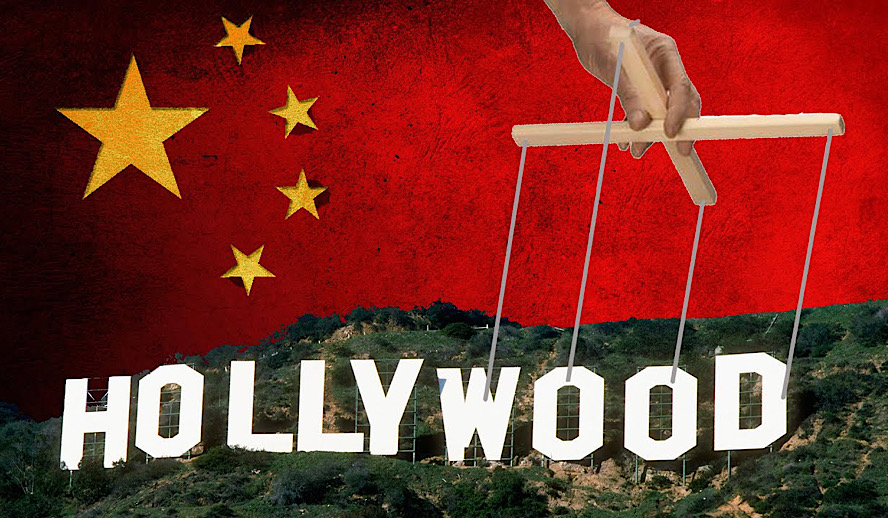
ByteDance, the Chinese technology company best known for TikTok, is making an aggressive push into Hollywood with its Seedance AI video generator, offering filmmakers low-cost, high-quality AI-generated video capabilities that many industry observers believe rival or exceed leading American competitors. Despite public criticism over copyright concerns and unauthorized use of actors’ likenesses, the company has reportedly been courting independent filmmakers, expanding its U.S. hiring, sponsoring industry events, and positioning itself as a major player in AI-assisted filmmaking. The rapid advance of Chinese AI technology into one of America’s signature industries has reignited concerns over intellectual property protection, economic competitiveness, and whether U.S. policymakers are adequately responding to an emerging technological challenge.
Sources
- https://www.latimes.com/business/story/2026-07-03/bytedances-tiktok-took-over-social-media-now-its-video-ai-is-taking-over-hollywood
- https://www.latimes.com/entertainment-arts/business/story/2026-02-16/hollywood-groups-condemn-bytedances-ai-video-generator-claiming-copyright-infringement
- https://www.latimes.com/entertainment-arts/business/story/2026-02-23/motion-pictures-association-raises-stakes-over-bytedances-illegal-ai
Key Takeaways
- China’s AI sector is rapidly closing the technological gap with American competitors while offering lower-cost tools that are attracting filmmakers despite ongoing copyright and intellectual property concerns.
- Hollywood’s desire to reduce production costs appears to be accelerating adoption of AI-generated content, even as studios, creators, and performers warn that existing legal protections have not kept pace with the technology.
- The competition over generative AI is evolving beyond software into a broader strategic contest involving economic leadership, cultural influence, intellectual property rights, and national competitiveness.
In-Depth
Hollywood has long viewed itself as America’s premier exporter of culture, but the latest AI race suggests the entertainment industry may be surrendering another strategic advantage to China. ByteDance’s aggressive promotion of its Seedance video-generation platform demonstrates that Beijing-linked technology companies are no longer content with dominating social media distribution; they now aim to become the engines that create the content itself.
For conservatives who have warned for years about America’s dependence on Chinese technology, this development should raise serious concerns. If Chinese AI platforms become indispensable to filmmakers because they are faster, cheaper, and more capable than domestic alternatives, the United States risks allowing a geopolitical competitor to become deeply embedded in one of its most influential industries. Even if content decisions remain in American hands, reliance on foreign AI infrastructure introduces new economic and strategic vulnerabilities.
At the same time, Hollywood’s resistance appears conflicted. While studios and industry organizations have condemned alleged copyright infringement and unauthorized use of performers’ likenesses, many filmmakers reportedly continue experimenting with the technology because it dramatically lowers production costs and expands creative possibilities. That tension illustrates a familiar pattern: economic incentives often overwhelm public objections once a disruptive technology proves commercially valuable.
The broader lesson extends well beyond filmmaking. Artificial intelligence is rapidly becoming the next arena in which nations compete for technological leadership. If the United States wishes to maintain its creative, economic, and national security advantages, policymakers may need to focus not only on regulating AI but also on ensuring that American innovation outpaces foreign competitors. Otherwise, the nation that once dominated global entertainment could find itself increasingly dependent on technologies developed—and potentially influenced—by one of its foremost geopolitical rivals.