

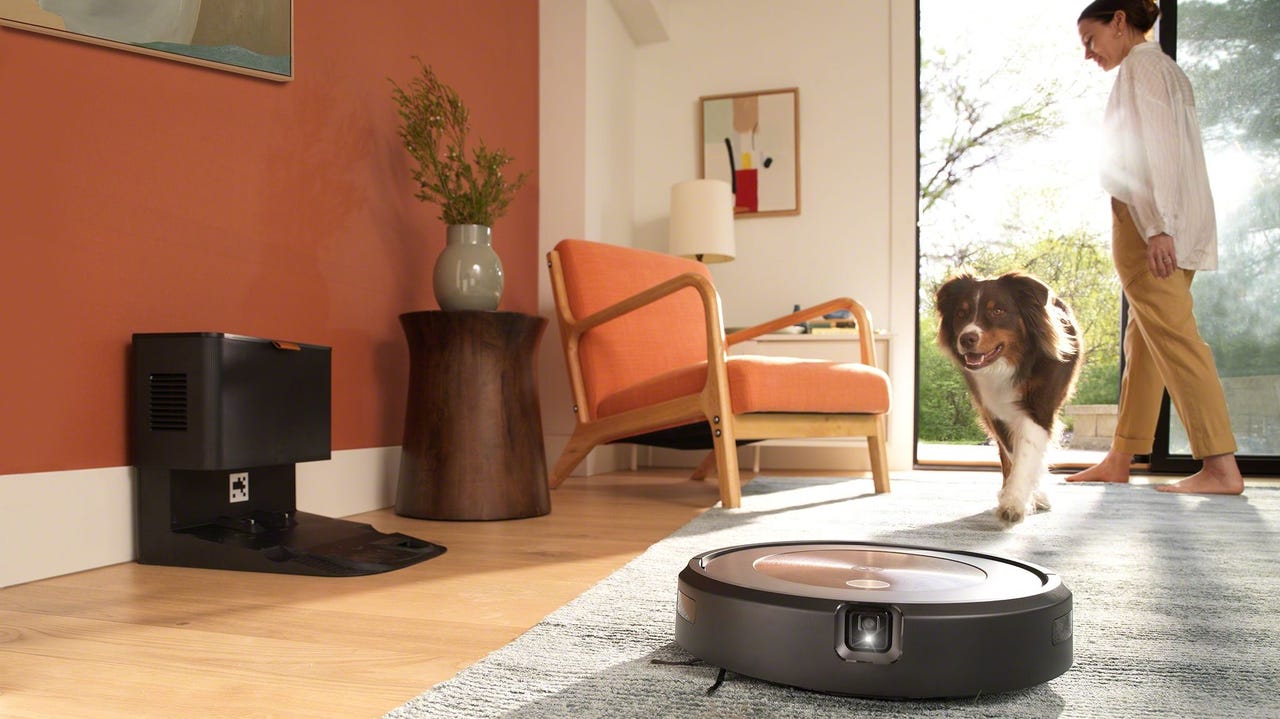
The Federal Communications Commission has expanded its national security focus to include certain foreign-made “advanced robotic devices,” placing many future robotic vacuum cleaners under heightened regulatory scrutiny because of concerns that their onboard sensors, cameras, mapping technology, wireless connectivity, and software could be exploited for espionage, surveillance, or cyberattacks. The action does not affect robotic vacuums already owned by consumers or models that have previously received authorization, but it could significantly reshape the U.S. smart-home marketplace by making it more difficult for new foreign-produced robotic vacuum models to enter the country. The move reflects a broader shift in federal policy that increasingly treats connected consumer electronics as potential cybersecurity vulnerabilities rather than simply household appliances, particularly when those devices originate from geopolitical competitors such as China.
Sources
- https://nypost.com/2026/07/31/lifestyle/roomba-style-robotic-vacuums-are-a-threat-to-national-security-fcc
- https://www.theverge.com/policy/972312/us-robot-ban-sweep-up-chinese-vacuums
- https://www.axios.com/2026/07/28/trump-administration-bans-chinese-hardware-ai-race
Key Takeaways
- Connected household robots are increasingly being viewed as cybersecurity endpoints, capable of collecting detailed mapping data, transmitting information over home networks, and potentially serving as access points for hostile cyber operations if compromised.
- The FCC’s action primarily affects future products rather than existing owners. Consumers who already own approved robotic vacuums can continue using them, while manufacturers of new foreign-made models face substantially higher regulatory hurdles before entering the U.S. market.
- The decision signals a broader national security strategy that extends beyond traditional telecommunications equipment to encompass internet-connected consumer electronics whose sensors, software, and networking capabilities could create intelligence or infrastructure vulnerabilities.
In-Depth
The FCC’s decision marks another step in Washington’s expanding view of what constitutes critical technology. Not long ago, national security discussions centered on telecommunications infrastructure, military hardware, and government computer systems. Today, policymakers increasingly recognize that millions of internet-connected consumer devices collectively represent an enormous digital footprint that could be exploited by foreign adversaries. Robotic vacuum cleaners, once viewed as little more than automated household conveniences, now possess sophisticated mapping capabilities, cameras, environmental sensors, wireless communications, and cloud connectivity that transform them into mobile computers operating inside America’s homes.
Supporters of the move argue that the issue is not whether today’s robotic vacuums are actively spying on consumers, but whether their capabilities could be leveraged in the future by hostile governments or intelligence services. Detailed floor plans, network access, software updates, and continuous internet connectivity all represent potential attack surfaces that did not exist in traditional household appliances. From this perspective, reducing dependence on foreign-controlled smart devices becomes part of a broader effort to strengthen America’s cybersecurity posture.
Critics contend that the policy may increase costs and reduce consumer choice while doing little to address broader cybersecurity weaknesses that exist across countless connected devices regardless of where they are manufactured. Nevertheless, the federal government’s trajectory is increasingly clear. Connected consumer electronics are no longer viewed solely through the lens of convenience or innovation, but also through national security, supply-chain resilience, and technological sovereignty. As smart devices continue proliferating throughout American homes, regulators appear prepared to apply increasingly rigorous scrutiny to products whose hardware, software, or ownership raise strategic concerns.