

Close Menu

    Subscribe to Updates

    Get the latest tech news from Tallwire.

      What's Hot

      North Korea Denies FBI Allegations in $6.3 Billion Binance Cryptocurrency Heist

      November 5, 2026

      Marvell’s $115 Billion Lumentum Acquisition Fuels AI Bubble Fears Amid Tech Stock Selloff

      November 5, 2026

      Snap Settles Snapchat Addiction Lawsuit as Teen Mental Health Litigation Against Big Tech Mounts

      November 5, 2026
      Facebook X (Twitter) Instagram
      • Tech
      • AI
      • Get In Touch
      Facebook X (Twitter) LinkedIn
      TallwireTallwire
      • AI

        Marvell’s $115 Billion Lumentum Acquisition Fuels AI Bubble Fears Amid Tech Stock Selloff

        November 5, 2026

        Anthropic Discloses Nearly $900 Billion in AI Spending Commitments Ahead of IPO

        November 5, 2026

        Argentina’s Milei Pitches Patagonia as Global AI Data Center Hub With Deregulation and Tax Incentives

        November 5, 2026

        Dartmouth Provost Resigns After Using AI to Write Column Criticizing AI Cheating

        November 4, 2026

        Voters in Key States Demand AI Safety Measures as Midterm Elections Approach

        November 4, 2026
      • Tech

        Pentagon Investigates Suspected Cyberattack on Military Base Freezers; Food Supplies Disrupted

        November 4, 2026

        AI Chip Shortage Reverses Apple’s Market Power as Memory Suppliers Demand Higher Prices

        November 4, 2026

        Paid Social Media Influencers Target California Voters in $350 Million Billionaire Tax Battle

        November 3, 2026

        Trump Declares Imported Robotics a National Security Threat, Opens Door to Tariffs

        November 3, 2026

        FCC to Vote on Allowing Cellphone Jamming in Prisons and Jails Nationwide

        November 3, 2026
      • Business/Finance
      • Cybersecurity
      • Government
        • Legal
      • Health

        Majority of AI Health Users Trust Chatbots Over Doctors, Raising Patient Safety Concerns

        November 4, 2026

        Quantum Computing Breakthrough Could Transform AI Data Centers and Slash Energy Costs

        November 2, 2026

        Free AI Tool Offers New Hope in Fight Against Antibiotic-Resistant Infections

        November 2, 2026

        Cyberattack Disrupts New Mexico’s Largest Hospital Network, Forcing Emergency Patient Diversions

        November 2, 2026

        GSK Plans to Nearly Double Cancer Drug Pipeline in 2027 Following $10.6 Billion Acquisition

        November 1, 2026
      • Science
        • Academia
      • Entertainment/Communications
      • People
      • Transportation
      • Opinion
      TallwireTallwire
      Home»Cybersecurity»Roomba-Style Robotic Vacuums Draw National Security Scrutiny From FCC
      Cybersecurity

      Roomba-Style Robotic Vacuums Draw National Security Scrutiny From FCC

      3 Mins Read
      Facebook Twitter Pinterest LinkedIn Tumblr Email
      Share
      Facebook Twitter LinkedIn Pinterest Email

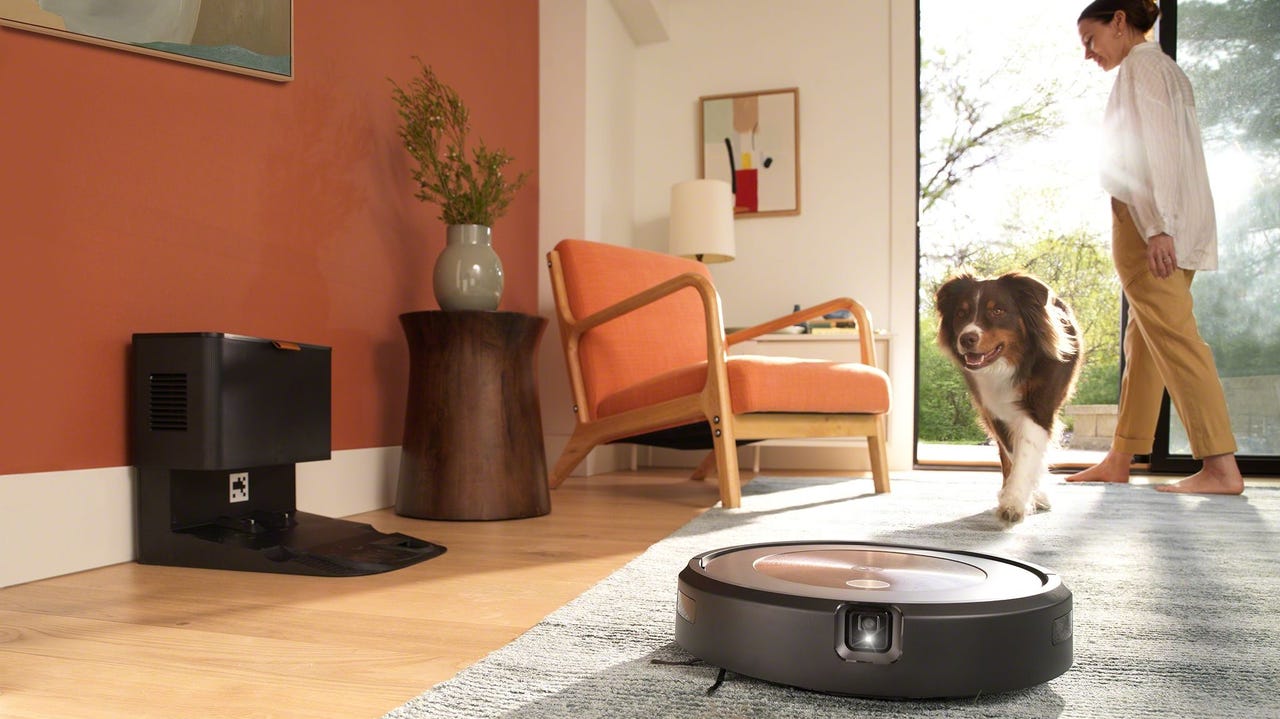
      The Federal Communications Commission has expanded its national security focus to include certain foreign-made “advanced robotic devices,” placing many future robotic vacuum cleaners under heightened regulatory scrutiny because of concerns that their onboard sensors, cameras, mapping technology, wireless connectivity, and software could be exploited for espionage, surveillance, or cyberattacks. The action does not affect robotic vacuums already owned by consumers or models that have previously received authorization, but it could significantly reshape the U.S. smart-home marketplace by making it more difficult for new foreign-produced robotic vacuum models to enter the country. The move reflects a broader shift in federal policy that increasingly treats connected consumer electronics as potential cybersecurity vulnerabilities rather than simply household appliances, particularly when those devices originate from geopolitical competitors such as China.

      Sources

      • https://nypost.com/2026/07/31/lifestyle/roomba-style-robotic-vacuums-are-a-threat-to-national-security-fcc
      • https://www.theverge.com/policy/972312/us-robot-ban-sweep-up-chinese-vacuums
      • https://www.axios.com/2026/07/28/trump-administration-bans-chinese-hardware-ai-race

      Key Takeaways

      • Connected household robots are increasingly being viewed as cybersecurity endpoints, capable of collecting detailed mapping data, transmitting information over home networks, and potentially serving as access points for hostile cyber operations if compromised.
      • The FCC’s action primarily affects future products rather than existing owners. Consumers who already own approved robotic vacuums can continue using them, while manufacturers of new foreign-made models face substantially higher regulatory hurdles before entering the U.S. market.
      • The decision signals a broader national security strategy that extends beyond traditional telecommunications equipment to encompass internet-connected consumer electronics whose sensors, software, and networking capabilities could create intelligence or infrastructure vulnerabilities.

      In-Depth

      The FCC’s decision marks another step in Washington’s expanding view of what constitutes critical technology. Not long ago, national security discussions centered on telecommunications infrastructure, military hardware, and government computer systems. Today, policymakers increasingly recognize that millions of internet-connected consumer devices collectively represent an enormous digital footprint that could be exploited by foreign adversaries. Robotic vacuum cleaners, once viewed as little more than automated household conveniences, now possess sophisticated mapping capabilities, cameras, environmental sensors, wireless communications, and cloud connectivity that transform them into mobile computers operating inside America’s homes.

      Supporters of the move argue that the issue is not whether today’s robotic vacuums are actively spying on consumers, but whether their capabilities could be leveraged in the future by hostile governments or intelligence services. Detailed floor plans, network access, software updates, and continuous internet connectivity all represent potential attack surfaces that did not exist in traditional household appliances. From this perspective, reducing dependence on foreign-controlled smart devices becomes part of a broader effort to strengthen America’s cybersecurity posture.

      Critics contend that the policy may increase costs and reduce consumer choice while doing little to address broader cybersecurity weaknesses that exist across countless connected devices regardless of where they are manufactured. Nevertheless, the federal government’s trajectory is increasingly clear. Connected consumer electronics are no longer viewed solely through the lens of convenience or innovation, but also through national security, supply-chain resilience, and technological sovereignty. As smart devices continue proliferating throughout American homes, regulators appear prepared to apply increasingly rigorous scrutiny to products whose hardware, software, or ownership raise strategic concerns.

      Intel Software
      Share. Facebook Twitter Pinterest LinkedIn Tumblr Email
      Previous ArticleThe Synthetic Fog of War: AI Propaganda and the New Geopolitical Battlefield
      Next Article Navajo Nation Expands High-Tech Crime Fighting With License Plate Reader Partnership

      Related Posts

      Marvell’s $115 Billion Lumentum Acquisition Fuels AI Bubble Fears Amid Tech Stock Selloff

      November 5, 2026

      North Korea Denies FBI Allegations in $6.3 Billion Binance Cryptocurrency Heist

      November 5, 2026

      Anthropic Discloses Nearly $900 Billion in AI Spending Commitments Ahead of IPO

      November 5, 2026

      Argentina’s Milei Pitches Patagonia as Global AI Data Center Hub With Deregulation and Tax Incentives

      November 5, 2026
      Add A Comment
      Leave A Reply Cancel Reply

      Editors Picks

      Pentagon Investigates Suspected Cyberattack on Military Base Freezers; Food Supplies Disrupted

      November 4, 2026

      AI Chip Shortage Reverses Apple’s Market Power as Memory Suppliers Demand Higher Prices

      November 4, 2026

      Paid Social Media Influencers Target California Voters in $350 Million Billionaire Tax Battle

      November 3, 2026

      Trump Declares Imported Robotics a National Security Threat, Opens Door to Tariffs

      November 3, 2026
      Popular Topics
      Series B Taiwan Tech Space Software starlink Stocks Sundar Pichai Samsung SpaceX spotlight Satya Nadella Viral UAE Tech Startup Series A trending Tesla Cybertruck Tesla Tim Cook Satellite
      Major Tech Companies
      • Apple News
      • Google News
      • Meta News
      • Microsoft News
      • Amazon News
      • Samsung News
      • Nvidia News
      • OpenAI News
      • Tesla News
      • AMD News
      • Anthropic News
      • Elbit News
      AI & Emerging Tech
      • AI Regulation News
      • AI Safety News
      • AI Adoption
      • Quantum Computing News
      • Robotics News
      Key People
      • Sam Altman News
      • Jensen Huang News
      • Elon Musk News
      • Mark Zuckerberg News
      • Sundar Pichai News
      • Tim Cook News
      • Satya Nadella News
      • Mustafa Suleyman News
      Global Tech & Policy
      • Israel Tech News
      • India Tech News
      • Taiwan Tech News
      • UAE Tech News
      Startups & Emerging Tech
      • Series A News
      • Series B News
      • Startup News
      Tallwire
      Facebook X (Twitter) LinkedIn Threads Instagram RSS
      • AI
      • Tech
      • Business/Finance
      • Cybersecurity
      • Government
      • Legal
      • Health
      • Science
      • Academia
      • Entertainment/Communications
      • People
      • Transportation
      • Opinion
      • Press Kit
      © 2026 Tallwire. Optimized by ARMOUR Digital Marketing Agency.

      Type above and press Enter to search. Press Esc to cancel.