

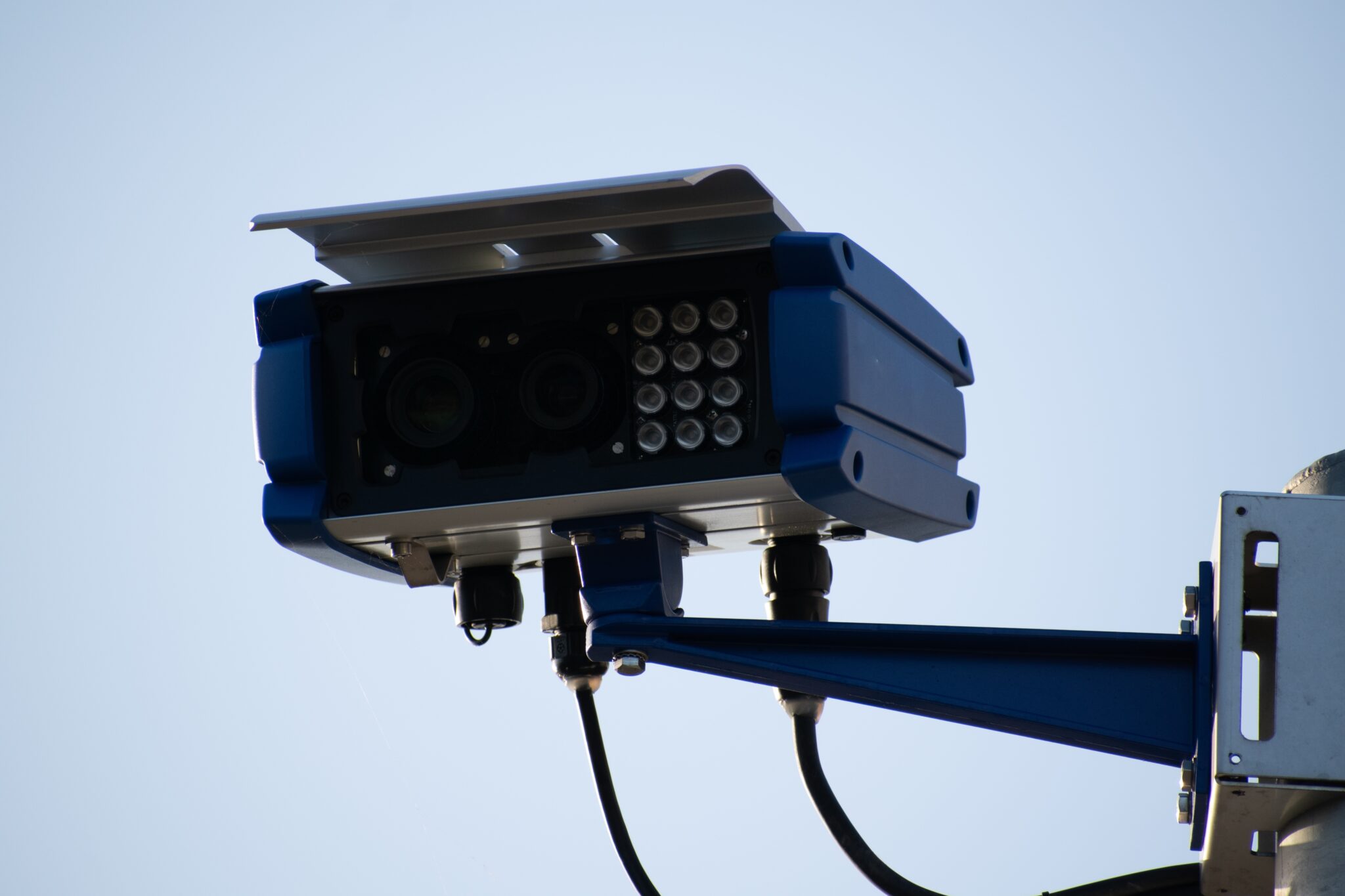
The Navajo Nation has announced a partnership with Flock Safety to deploy automated license plate reader (ALPR) cameras across its approximately 27,000-square-mile reservation spanning Arizona, New Mexico, and Utah. The technology will be used by the Navajo Department of Criminal Investigation and the Navajo Nation Police Department to help identify suspect vehicles, locate missing persons, investigate serious crimes, and compensate for chronic law enforcement staffing shortages across one of the nation’s largest and most geographically challenging jurisdictions. Officials emphasized that officers often must respond to incidents from more than 100 miles away, making technological force multipliers increasingly valuable. While critics continue to raise concerns over privacy and government surveillance associated with ALPR systems, supporters argue the cameras provide investigators with objective evidence and critical leads in cases involving homicides, child abductions, drug trafficking, and the crisis of missing Indigenous people.
Sources
- https://nypost.com/2026/07/30/tech/navajo-nation-partners-with-flock-safety-to-deploy-plate-readers
- https://www.azfamily.com/2026/07/30/navajo-nation-deploy-flock-license-plate-reader-cameras-across-27k-square-miles
- https://www.abc15.com/news/state/flock-cameras-coming-to-navajo-nation-in-effort-to-help-solve-crimes-locate-missing-persons
Key Takeaways
- • Navajo law enforcement is adopting automated license plate reader technology to improve investigations across an enormous, sparsely populated reservation where limited manpower and long response times have historically hindered policing.
- • The system is intended to generate investigative leads in cases involving violent crime, missing persons, child abductions, narcotics trafficking, and other serious offenses rather than replace traditional police work.
- • The initiative reflects a broader national debate over balancing public safety benefits from emerging law enforcement technology against legitimate concerns regarding privacy, data retention, and government surveillance.
In-Depth
The Navajo Nation’s decision to embrace automated license plate reader technology underscores an increasingly unavoidable reality: law enforcement agencies responsible for vast territories cannot rely solely on manpower to meet modern public safety challenges. Covering roughly 27,000 square miles across three states, the reservation presents logistical obstacles that would strain even the best-funded police departments. When officers may be more than an hour away from an emergency, technology capable of quickly identifying suspect vehicles or generating investigative leads becomes less of a luxury and more of a necessity.
Supporters view the partnership as a pragmatic response to persistent crime and the heartbreaking crisis involving missing Indigenous people. By capturing vehicle information tied to criminal investigations, the system can provide detectives with evidence that otherwise might never exist, particularly in remote areas where eyewitnesses and surveillance cameras are scarce. In that respect, the cameras serve as an additional investigative tool rather than a substitute for police officers.
Predictably, privacy advocates have renewed concerns about expanding surveillance capabilities. Those concerns deserve thoughtful consideration, particularly regarding data access, retention policies, and oversight. Nevertheless, conservatives have long maintained that government has a fundamental obligation to provide public safety while exercising its authority within constitutional limits. If these systems are governed by clear legal safeguards, limited to legitimate criminal investigations, and subject to meaningful accountability, they can strengthen public safety without abandoning civil liberties. The real measure of success will be whether the technology helps solve violent crimes, recovers missing persons, and protects vulnerable communities while respecting the constitutional protections that remain essential in a free society.