

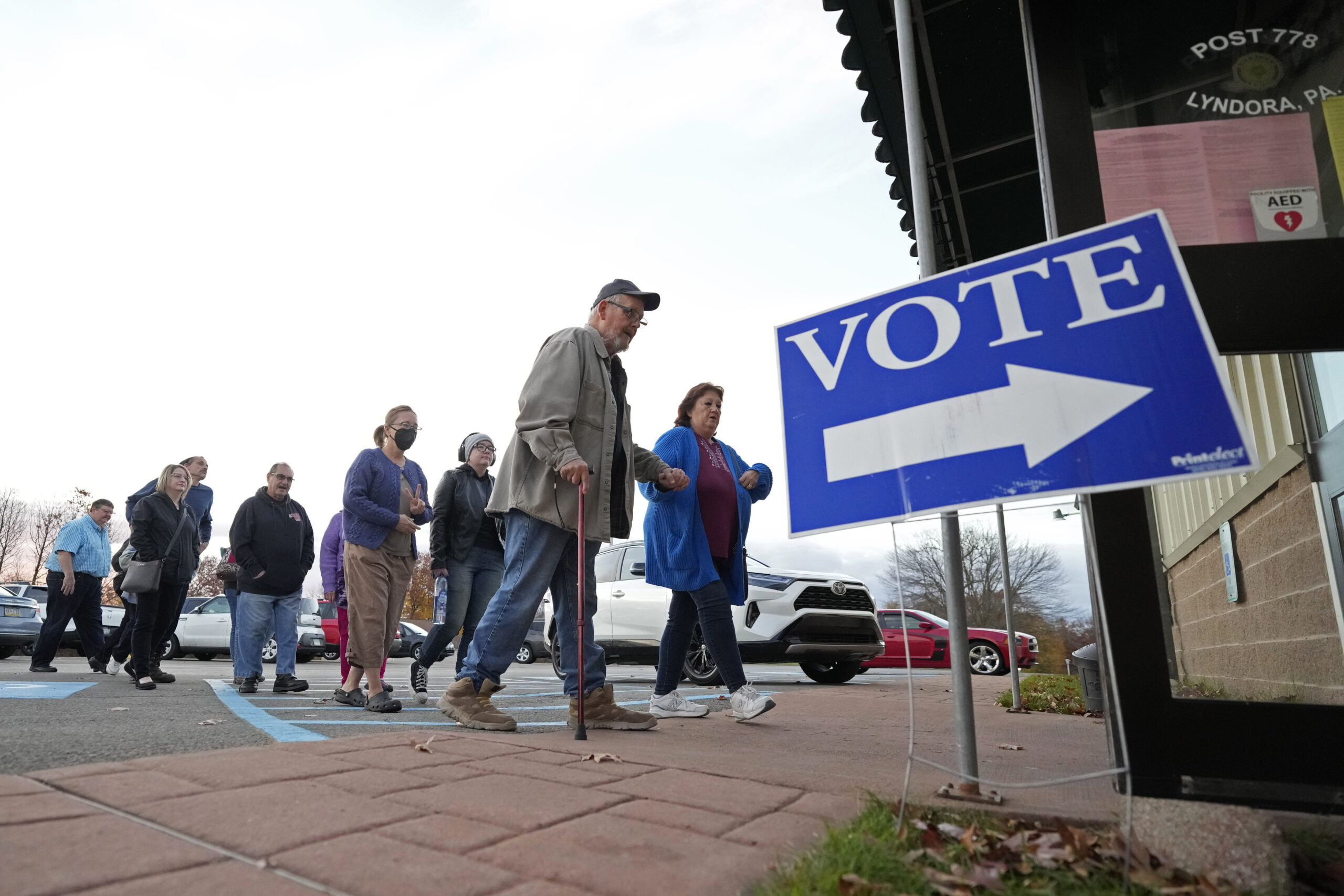
The rapid expansion of artificial-intelligence data centers is becoming an unexpectedly potent issue in the 2026 midterm elections, as voters increasingly question whether massive technology projects are raising household electricity costs, consuming scarce water and power resources, swallowing productive land, and receiving overly generous tax incentives. What was once promoted by elected officials in both parties as an economic-development opportunity has become politically complicated, particularly in Ohio, Virginia, Pennsylvania, Texas, Wisconsin, Michigan and other states experiencing rapid data-center construction. Republicans and Democrats are responding with proposals ranging from requiring developers to finance their own power infrastructure to restricting tax subsidies, imposing moratoriums, strengthening local approval authority and protecting residential ratepayers. The debate is exposing a fundamental tension between America’s desire to lead the global AI race and the expectation that the corporations benefiting from that expansion—not ordinary households—should bear its infrastructure costs.
Key Takeaways
- Data centers have moved beyond a local zoning controversy and into national politics, with candidates from both parties addressing electricity prices, tax incentives, water consumption, farmland development and the costs of expanding power-generation and transmission infrastructure.
- Ohio illustrates the political danger: state records showed more than $2 billion in sales-tax revenue was forgone through data-center incentives in 2024 and 2025, while an August poll found 71 percent of Ohioans supported a temporary halt to new data-center construction.
- The emerging conservative-policy question is increasingly less about whether America should develop AI infrastructure than about who pays for it: taxpayers and residential ratepayers, or the enormously capitalized technology companies creating the additional demand.
In-Depth
America’s artificial-intelligence boom is colliding with an old political reality: voters become considerably less enthusiastic about economic development when they believe they are subsidizing somebody else’s prosperity.
Data centers illustrate the problem. These enormous facilities provide essential computing capacity for AI and cloud services, and their supporters emphasize investment, construction employment, tax revenue and America’s strategic competition with China. Yet their extraordinary electricity requirements mean development can require additional generation, transmission and other infrastructure. Communities are increasingly asking whether ordinary ratepayers will ultimately absorb those costs.
That concern is crossing partisan boundaries. In Ohio, residents have organized against additional development while candidates from both parties have proposed restrictions or new requirements. State records showing more than $2 billion in forgone sales-tax revenue from data-center incentives during 2024 and 2025 intensified the controversy. Meanwhile, residential electricity bills in Defiance reportedly increased between 10 and 15 percent year-over-year in June, although rising electricity prices can have multiple causes and should not automatically be attributed exclusively to data centers.
Similar political pressure is appearing elsewhere. Candidates and elected officials have proposed moratoriums, restrictions on incentives, greater local control and requirements that developers finance infrastructure necessitated by their projects. The emerging political dividing line therefore may not be simply pro-AI versus anti-AI.
A market-oriented approach presents another possibility: permit technological development while requiring companies creating extraordinary new demand to internalize its costs. That means transparent development agreements, limited taxpayer subsidies and protections against shifting infrastructure expenses onto existing customers.
America has a legitimate strategic interest in winning the AI competition. But technological leadership does not require taxpayers to provide blank checks to some of the world’s wealthiest corporations. The midterms may increasingly test whether voters believe government has struck that balance correctly.
Sources
- https://www.theepochtimes.com/us/how-data-center-debate-may-shape-the-midterms-6083244
- https://www.reuters.com/legal/government/democrats-try-ride-data-center-backlash-election-victory-rural-us-midwest-2026-09-19/
- https://www.axios.com/2026/08/20/data-center-uproar-2026-midterms
- https://www.axios.com/local/richmond/2026/09/09/virginia-data-centers-midterm-election-2026
- https://www.brookings.edu/articles/how-rising-electric-rates-could-affect-the-2026-midterms/