

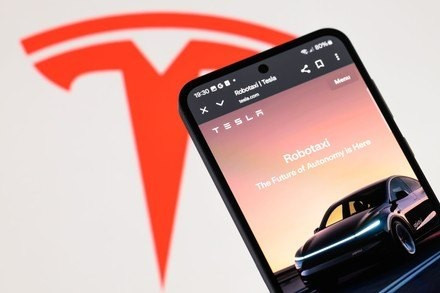
Tesla is actively pursuing ride-hail permits at San Francisco, Oakland, and San José airports, aiming to extend its nascent Robotaxi service into Silicon Valley’s major travel hubs. The outreach reflects Tesla’s ambition to tap into high-traffic routes and rival established services like Uber and Lyft, while its fully driverless model remains stymied by pending approvals from California’s DMV and Public Utilities Commission. For now, Tesla’s vehicles still carry human safety monitors in the driver’s seat throughout the state, underscoring the gap between lofty plans and on-the-ground reality.
Sources: Tesla North, TechCrunch, The Verge
Key Takeaways
– Regulatory roadblocks matter. Tesla’s push into airports highlights how critical state-level approvals remain for scaling autonomous services—especially in California, where oversight is stringent.
– Real ambitions vs. real limitations. Despite the hype, Tesla’s robotaxis still rely on human safety monitors, undercutting fully autonomous claims—for now.
– Airport access could be a game-changer. If permitted, airport pickups and drop-offs could position Tesla as a direct competitor to ride-hailing giants in lucrative corridors.
In-Depth
Tesla’s most recent strategic maneuver—applying for ride-hailing permits at the Bay Area’s major airports (San Francisco, Oakland, and San José)—signals a clear effort to elevate its Robotaxi program into a high-volume, high-visibility corridor.
Right now, the company still faces notable limits on its autonomy ambitions. Without the proper approvals from California’s DMV and Public Utilities Commission, Tesla continues to require human “safety monitors” in the driver’s seat for all robotaxi operations in the state—pretty much the opposite of the fully autonomous vision it often touts. This regulatory reality means that, although the tech may be trending toward autonomy, the present system is still tethered to human oversight.
That said, if Tesla nails down airport permits, it can tap into a steady stream of travelers and potentially compete head-to-head with Uber, Lyft, and even Waymo in airport-to-city travel. Airports serve as critical nexus points for high demand and scarcity of parking—ideal for ride-hail services. But without full autonomy, Tesla risks being perceived as over-promising. The tension between bold marketing and incremental rollout continues to shape public and regulatory perception.
In short, Tesla’s airport push is bold and strategically smart. But the company’s ability to follow through—and deliver genuinely driverless rides in one of the nation’s most regulated regions—remains deeply tied to approvals still in limbo. For now, this is more ambition than execution, with human monitors still very much in the picture.