

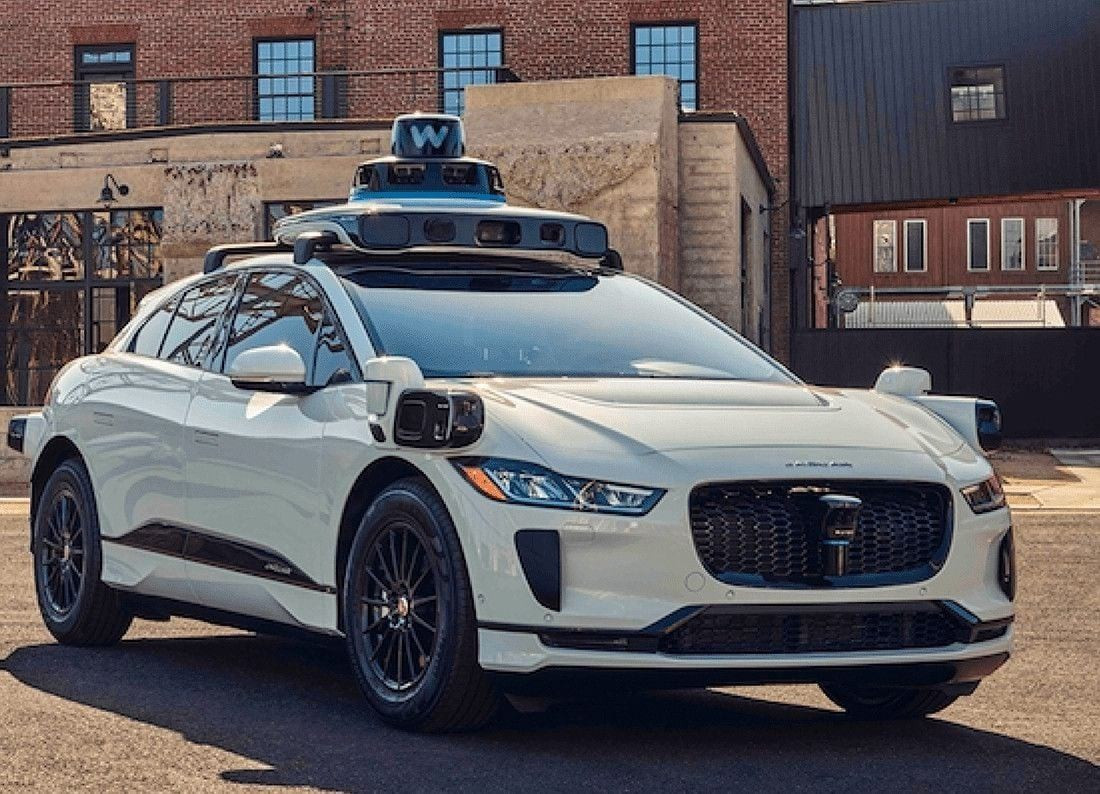
Waymo, the autonomous driving arm of Alphabet, has launched pilot programs in the United States that compensate gig-economy workers for manually closing doors on its self-driving robotaxis when passengers leave them ajar, a seemingly paradoxical twist in the march toward full automation. In Atlanta, DoorDash drivers enrolled in the program receive offers—reported at around $6.25 with a potential $5 bonus—to drive short distances and ensure robotaxi doors are fully shut so the vehicle can resume service, underscoring that current autonomous systems still rely on human intervention for basic functions. Similar initiatives in Los Angeles involve payments of up to about $24 through the Honk roadside assistance app to tow operators or other gig workers who close stubborn doors or address minor issues. The pilots reflect practical hurdles in autonomous vehicle deployment and reveal how human labor continues to support cutting-edge tech while companies work toward features like automatic door closures that would ultimately eliminate these stopgap tasks.
Sources
https://www.semafor.com/article/02/13/2026/waymo-foreshadows-future-jobs-by-paying-delivery-drivers-to-close-car-doors
https://www.businessinsider.com/waymo-doordash-pay-drivers-shut-robotaxi-doors-2026-2
https://www.nationaltoday.com/us/ca/san-francisco/news/2026/02/13/waymo-pays-gig-workers-to-close-robotaxi-doors
Key Takeaways
• Waymo is compensating gig workers, including DoorDash drivers in Atlanta and Honk roadside assistants in Los Angeles, to manually close robotaxi doors left open by passengers so vehicles can continue operation.
• Payments vary by location and task, with offers of roughly $11.25 reported in Atlanta and up to around $24 in Los Angeles, illustrating ongoing dependency on human support even in sophisticated autonomous systems.
• These pilot programs highlight broader challenges in automation, signaling that fully self-sufficient driverless vehicles remain a work in progress and that creative short-term labor solutions are being deployed while longer-term technological fixes are developed.
In-Depth
Waymo’s recent pilot programs represent an intriguing convergence of high technology and low-bar manual work as autonomous vehicle developers confront the limitations of current self-driving systems in everyday operation. Despite extensive advances that allow Waymo’s robotaxis to navigate traffic without a human behind the wheel, the simple act of closing the door after a rider exits has emerged as a nontrivial bottleneck. Because the vehicles are designed not to proceed with a trip if a door is left ajar—a safety feature rather than a convenience quirk—the company has found itself relying on human gig workers to fill this operational gap. This reality underscores that even as Silicon Valley champions a future of driverless cars and widespread automation, the present remains deeply entwined with human labor to maintain service continuity and customer experience.
In Atlanta, Waymo has partnered with DoorDash to notify available delivery drivers when a robotaxi door is detected as open, offering modest compensation for driving to the vehicle and ensuring the door is properly closed so it can resume its scheduled route. Reports suggest the offers hover around $6.25 for accepting a job plus another $5 upon verified completion, amounts that reflect the task’s minimal complexity but also raise questions about compensation relative to the time and effort required. Meanwhile, in Los Angeles, a similar arrangement exists through the Honk roadside assistance app, where tow operators and independent contractors can earn higher payouts—around $20 to $24—for closing doors or addressing other minor interference issues, such as seatbelts caught outside of the latch. These disparate payment structures reflect localized labor markets and the varying costs of gig work, but both serve the same operational purpose: preventing idle robotaxis from congesting city streets and maintaining fleet utilization.
The broader significance of these initiatives lies in what they reveal about the current limitations of automation and the evolving role of gig work in supporting advanced technologies. Waymo’s reliance on real people for what might seem like a mundane chore highlights that full autonomy is not yet a reality, even for companies at the forefront of the field. While future vehicle designs may incorporate self-closing doors and other features to reduce or eliminate the need for human intervention, the interim solutions offer supplementary income opportunities for workers already engaged in flexible gig platforms. The pilots also spark a conversation about the nature of future jobs and how manual tasks might persist or evolve alongside sophisticated artificial intelligence. In the context of broader debates over automation’s impact on employment, Waymo’s approach could be seen as an example of how new work categories emerge to address unforeseen technical challenges, even in sectors where machines are expected to supplant human labor. At the same time, the necessity of pay-for-service gigs to resolve fundamental issues raises questions about the pace at which autonomous technologies can scale reliably without unintended dependencies on human support.
Even as Waymo and its partners tinker with short-term solutions, the company has indicated that it plans to integrate automatic door-closing capabilities in future vehicle iterations. Until that day arrives, however, the interplay between cutting-edge autonomous systems and traditional human roles serves as a reminder that technological progress often advances unevenly and that human labor remains an indispensable part of the transition toward fully automated mobility.