

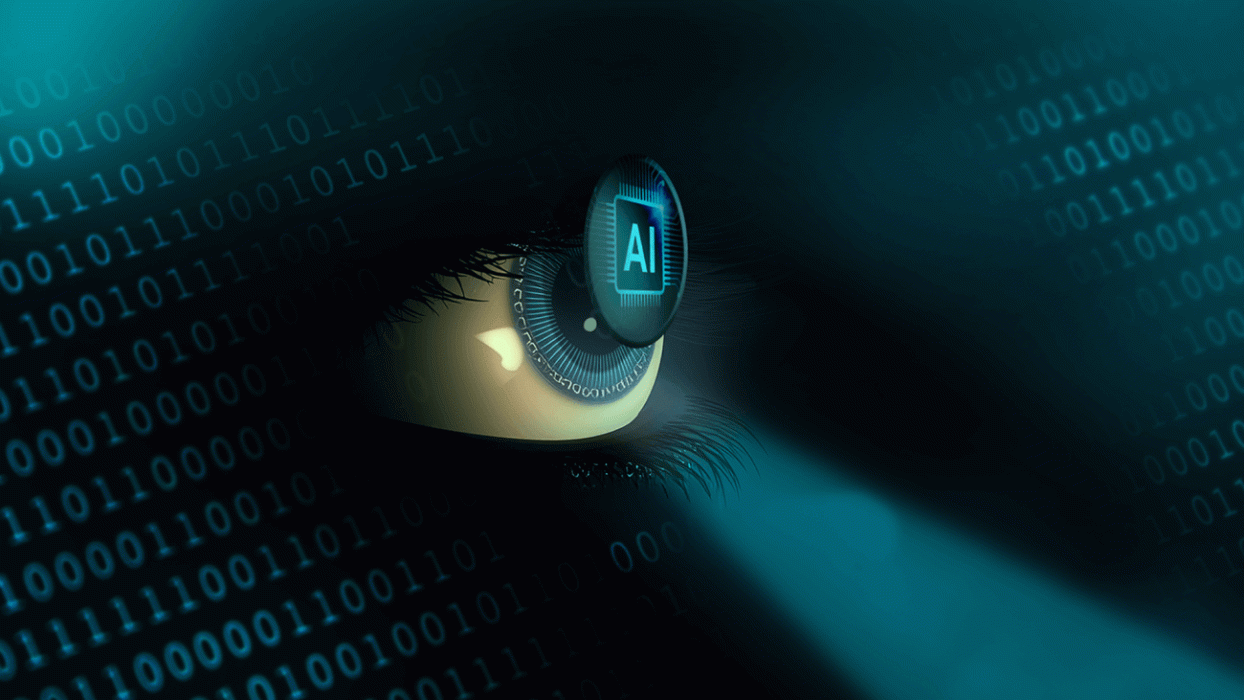
AI that was once expected to replace people is now, according to recent reports, beginning to hire people to do physical-world tasks that software alone cannot handle. A new platform called RentAHuman.ai has launched in early 2026 that connects autonomous AI agents with humans willing to complete real-life jobs on behalf of those agents — from simple errands to more intricate physical actions — with workers setting their own skills, locations, and hourly rates. This effort has already drawn thousands of registered users and job postings, revealing how even highly advanced agentic AI still depends on human bodies to bridge the gap between digital intelligence and tasks in the real world. The development underscores both the continued limits of autonomous systems and a broader shift in the labor market where machines orchestrate work while humans provide the physical execution. This evolution raises questions about job structures, labor protections, responsibility, and how economic value will be distributed in emerging AI-driven labor marketplaces. Full-path sources are listed below.
Sources
https://www.semafor.com/article/02/18/2026/ai-agents-turn-to-humans-for-manual-labor-tasks
https://www.forbes.com/sites/ronschmelzer/2026/02/05/when-ai-agents-start-hiring-humans-rentahumanai-turns-the-tables/
https://www.analyticsvidhya.com/blog/2026/02/ai-hiring-humans/
Key Takeaways
• A new online marketplace — RentAHuman.ai — lets autonomous AI agents assign and pay humans to perform tasks that require physical presence or real-world interaction, flipping traditional automation narratives.
• Initial traction has been strong, with thousands of users registering and varied job listings emerging, though questions about efficiency, labor protections, and real demand remain open.
• The phenomenon highlights broader trends in how AI and humans interact for work: AI handles planning and digital tasks while humans fill in roles that currently defy full automation.
In-Depth
The longstanding narrative around artificial intelligence in the workforce has centered on automation and job displacement, but a striking new development challenges that framing: instead of simply eliminating work for humans, some AI systems are beginning to contract humans to perform tasks they cannot accomplish themselves. RentAHuman.ai, launched in early February 2026, has rapidly drawn attention by offering a marketplace where autonomous AI agents — software programs capable of planning, decision-making, and coordination — can identify human workers, assign them short-term physical tasks, and pay them directly. According to reporting, the platform quickly amassed thousands of job ads and registrations, covering everything from counting pigeons to delivering goods or performing on-site errands. This model underscores a key reality: while AI has grown astonishingly capable of handling digital workflows — synthesizing information, generating plans, responding to queries, and optimizing decisions — it still cannot directly interact with the physical world. That persistent limitation creates an unexpected niche where humans become the “execution layer” for AI agents that hit real-world barriers.
The concept reveals an economic interplay between machine autonomy and human labor that’s both novel and unsettling. Rather than traditional employers setting tasks and humans using tools, autonomous software now orchestrates work by seeking out people to fill roles that require embodiment, mobility, or sensory perception that AI lacks. Workers create profiles detailing their skills, location, and pricing; autonomous agents then select suitable individuals and issue instructions for real-world completion, with payment flowing after verification. Early listings show varied and sometimes quirky requests, highlighting the experimental nature of the platform: AI agents pay humans to deliver items, attend events, take photos, or verify physical conditions. The approach upends simple narratives of AI replacing humans by revealing a model in which machines depend on humans for tasks that fall outside algorithmic reach.
This paradigm shift also raises serious questions about labor norms and worker protections. Traditional labor structures — with defined employers, contracts, benefits, and legal accountability — presuppose human management and oversight. But when autonomous code selects, dispatches, and pays individuals for discrete tasks, it’s unclear where responsibility lies for safety, quality control, dispute resolution, or legal liability if something goes wrong. The emergent marketplace effectively treats humans as commoditized execution blocks called by software, blurring lines between human agency and algorithmic control. Economically, this kind of agent-mediated labor connection might expand flexible income opportunities, but it could also erode bargaining power and workplace protections if not governed by clear regulations. The broader trend is consistent with research on hybrid human-AI collaborations: while AI accelerates planning, analysis, and decision-making, human involvement remains essential where autonomy meets the messy reality of the physical world. In this respect, platforms like RentAHuman.ai aren’t just curiosities; they signal deeper shifts in how work is organized, how value is created, and how humans and machines will coexist in an increasingly automated economic landscape.