

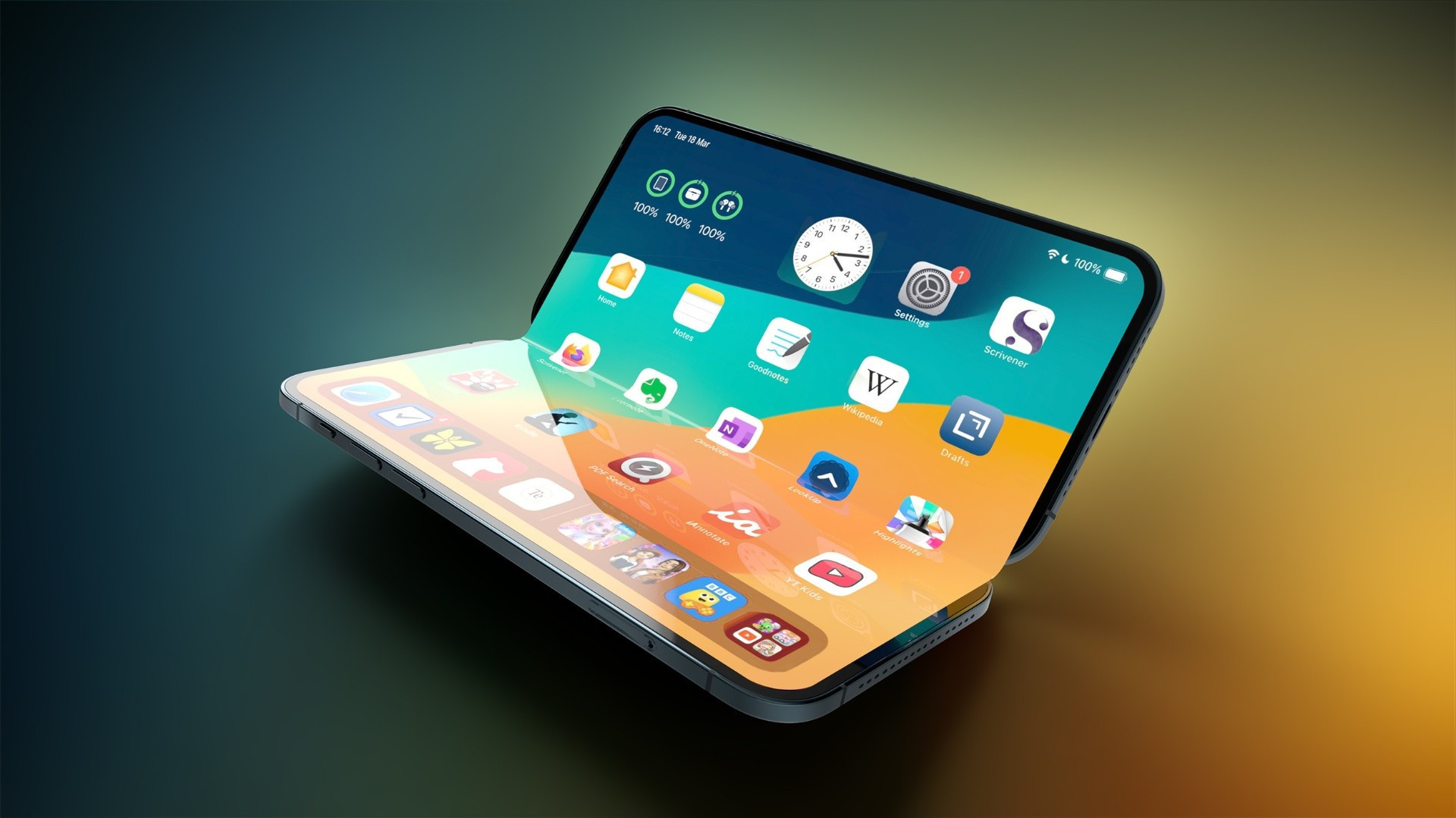
A recent hands-on look at pairing a Samsung Galaxy Z Fold 7 with a lightweight travel keyboard highlights how some users are seriously experimenting with leaving traditional laptops at home for short-trip productivity, turning their foldable phones into minimalist “mobile workstations” that handle email, document editing, and light office tasks when paired with physical input accessories, though limitations in software multitasking and ergonomics still keep it from fully replacing a conventional laptop for many professionals.
Sources
https://www.theverge.com/tech/878485/samsung-galaxy-z-fold-7-travel-keyboard-logitech-laptop-replacement
https://www.theverge.com/podcast/879965/foldable-phone-laptop-keyboard-sports-streaming-vergecast
https://mezha.net/eng/bukvy/purse-computer-concept-transforms-foldable-phones-into-mobile-workstations/amp/
Key Takeaways
• Combining a Galaxy Z Fold 7 with a compact travel keyboard can turn the foldable phone into a more laptop-like device for on-the-go tasks, appealing to users who value light gear over traditional notebooks.
• Early adopters describe this setup as practical for short work stints or casual productivity, coining terms like “purse computer” for the minimalist mobile workstation concept.
• Despite convenience gains, software and ergonomic limitations — such as app behavior on large screens and the need for accessories like stands — mean most won’t drop their full laptops entirely.
In-Depth
In the rapidly evolving world of mobile productivity, there’s a fresh trend emerging among tech-savvy travelers and minimalist workers: using a premium foldable phone like the Samsung Galaxy Z Fold 7 as a travel-ready laptop replacement. Recent firsthand testing and user experiences show that when the Z Fold 7’s large inner display is paired with a compact, Bluetooth travel keyboard, it can handle many traditional notebook tasks with surprising ease. This setup aims to satisfy a growing desire among some professionals to lighten their gear load. Rather than hauling a bulky laptop in a backpack or briefcase, these users pack just a phone and a slim keyboard in a small bag, creating what some enthusiasts have dubbed a “mobile workstation,” “purse computer,” or other informal terms for this lightweight productivity rig.
The appeal is rooted in convenience: the foldable phone unfolds into a significantly larger display than a standard slab phone, giving more screen real estate for typing, browsing, and editing documents. When connected to a physical keyboard, the experience feels closer to a traditional laptop than tapping away on a virtual keyboard. For quick tasks like responding to emails, drafting short documents, or checking spreadsheets, this minimalist combo can indeed carry the day. Users talk about the sense of freedom that comes from leaving the laptop behind on errands or during short travels, relying instead on the pocket-friendly powerhouse in their pocket and a small keyboard that fits easily in a jacket or tote.
However, the reality of replacing a laptop entirely with this setup remains mixed. There are practical hurdles that any user should consider. Software environments on phones, even large foldables, still lag behind full desktop operating systems when it comes to robust multitasking, seamless file management, and compatibility with certain professional applications. Users often note that applications scaled for phones or tablets don’t always take full advantage of the available screen space, and some desktop-class tasks still feel more natural on a traditional laptop interface. Accessories like stands to prop up the phone and keyboards add to the gear you need to carry, slightly eroding the simplicity of the concept.
What this trend does make clear is that the line between mobile and laptop productivity is blurring. For many professionals who travel light or prioritize mobility, a foldable phone paired with a compact keyboard presents a compelling secondary workstation option, one that could replace a full laptop for specific use cases like short trips, cafes, or commuting. But for full-day productivity sessions, complex workflows, and heavy multitasking, the traditional laptop still holds advantages that keep it relevant for the foreseeable future. As software ecosystems and accessory support evolve, these foldable phone setups will likely become more capable — but for now, they complement rather than replace conventional computing devices.