

Close Menu

    Subscribe to Updates

    Get the latest creative news from FooBar about art, design and business.

    What's Hot

    Panasonic Strikes Partnership to Reclaim TV Market Share in the West

    February 26, 2026

    Large Hadron Collider Enters Third Shutdown For Major Upgrade

    February 26, 2026

    Stellantis Faces Massive Losses and Strategic Shift After Misjudging EV Market Demand

    February 26, 2026
    Facebook X (Twitter) Instagram
    • Tech
    • AI
    • Get In Touch
    Facebook X (Twitter) LinkedIn
    TallwireTallwire
    • Tech

      Large Hadron Collider Enters Third Shutdown For Major Upgrade

      February 26, 2026

      Stellantis Faces Massive Losses and Strategic Shift After Misjudging EV Market Demand

      February 26, 2026

      AI’s Persistent PDF Parsing Failure Stalls Practical Use

      February 26, 2026

      Solid-State Battery Claims Put to the Test With Record Fast Charging Results

      February 26, 2026

      Intel Signals Return To Unified Core Design, Phasing Out Performance And Efficiency Split

      February 26, 2026
    • AI

      Anthropic Raises Alarm Over Chinese AI Model Distillation Practices

      February 26, 2026

      AI’s Persistent PDF Parsing Failure Stalls Practical Use

      February 26, 2026

      Tech Firms Push “Friendlier” Robot Designs to Boost Human Acceptance

      February 26, 2026

      Samsung Expands Galaxy AI With Perplexity Integration for Upcoming S26 Series

      February 25, 2026

      Meta AI Safety Director’s Email Deletion Blunder Sparks Industry Scrutiny

      February 25, 2026
    • Security

      FBI Issues Alert on Outdated Wi-Fi Routers Vulnerable to Cyber Attacks

      February 25, 2026

      Wikipedia Blacklists Archive.Today After DDoS Abuse And Content Manipulation

      February 24, 2026

      Admissions Website Bug Exposed Children’s Personal Information

      February 23, 2026

      FBI Warns ATM Jackpotting Attacks on the Rise, Costing Hackers Millions in Stolen Cash

      February 22, 2026

      Microsoft Admits Office Bug Exposed Confidential Emails to Copilot AI

      February 22, 2026
    • Health

      Social Media Addiction Trial Draws Grieving Parents Seeking Accountability From Tech Platforms

      February 19, 2026

      Portugal’s Parliament OKs Law to Restrict Children’s Social Media Access With Parental Consent

      February 18, 2026

      Parents Paint 108 Names, Demand Snapchat Reform After Deadly Fentanyl Claims

      February 18, 2026

      UK Kids Turning to AI Chatbots and Acting on Advice at Alarming Rates

      February 16, 2026

      Landmark California Trial Sees YouTube Defend Itself, Rejects ‘Social Media’ and Addiction Claims

      February 16, 2026
    • Science

      Large Hadron Collider Enters Third Shutdown For Major Upgrade

      February 26, 2026

      Google Phases Out Android’s Built-In Weather App, Replacing It With Search-Based Forecasts

      February 25, 2026

      Microsoft’s Breakthrough Suggests Data Could Be Preserved for 10,000 Years on Glass

      February 24, 2026

      NASA Trials Autonomous, AI-Planned Driving on Mars Rover

      February 20, 2026

      XAI Publicly Unveils Elon Musk’s Interplanetary AI Vision In Rare All-Hands Release

      February 14, 2026
    • Tech

      Zuckerberg Testifies In Landmark Trial Over Alleged Teen Social Media Harms

      February 23, 2026

      Gay Tech Networks Under Spotlight In Silicon Valley Culture Debate

      February 23, 2026

      Google Co-Founder’s Epstein Contacts Reignite Scrutiny of Elite Tech Circles

      February 7, 2026

      Bill Gates Denies “Absolutely Absurd” Claims in Newly Released Epstein Files

      February 6, 2026

      Informant Claims Epstein Employed Personal Hacker With Zero-Day Skills

      February 5, 2026
    TallwireTallwire
    Home»Business Tech»Tech Firms Push “Friendlier” Robot Designs to Boost Human Acceptance
    Business Tech

    Tech Firms Push “Friendlier” Robot Designs to Boost Human Acceptance

    4 Mins Read
    Facebook Twitter Pinterest LinkedIn Tumblr Email
    Share
    Facebook Twitter LinkedIn Pinterest Email

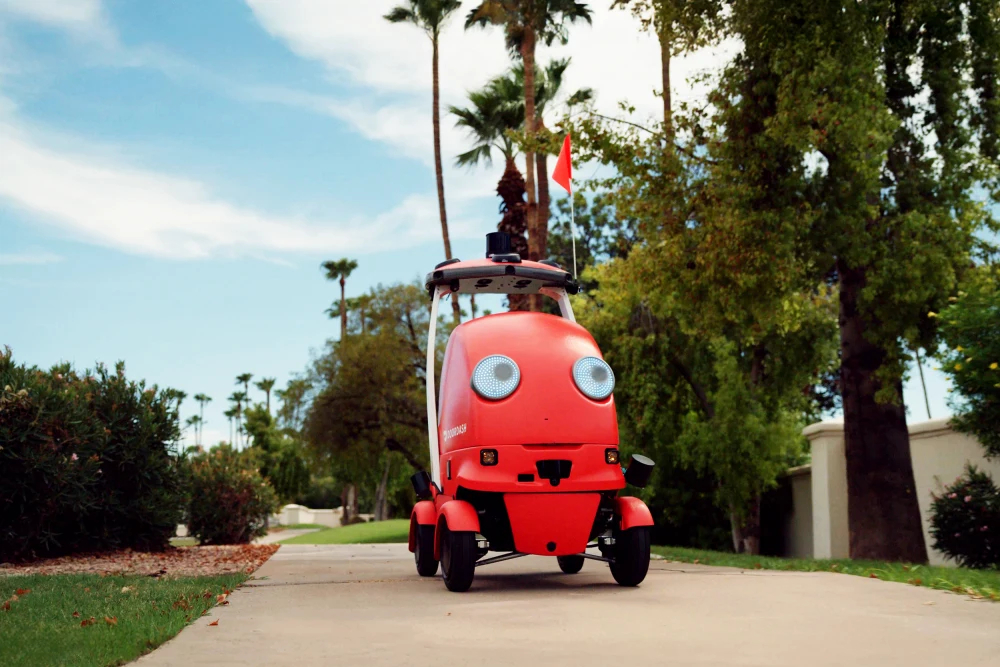
    Tech companies are increasingly making their robots look and act more approachable — adding emotive features like expressive eyes, softer shapes, and human-like cues — as a way to overcome public unease and ramp up acceptance of robots in everyday life, with developers arguing that approachable designs help people feel more comfortable interacting with machines and could spur broader adoption of automation in homes and workplaces. Sources such as a recent Semafor report highlight companies like Apptronik and Fourier intentionally steering away from cold, industrial aesthetics toward warm, expressive humanoid robots, emphasizing that if people fear robots they’re unlikely to embrace them, and that design choices such as height, facial features, and tactile-friendly surfaces matter to potential users while critics say cuteness doesn’t solve functional limitations of robots and may even mislead users about what robots can actually do. Independent research shows that cute and empathetic robot designs can indeed influence how people respond to robots and that incorporating emotional or socially intelligent features shapes human comfort with machines over time.

    Sources

    https://www.semafor.com/article/02/04/2026/humanizing-the-machines-companies-design-robots-to-look-friendlier
    https://www.aol.com/articles/tech-companies-making-robots-cute-150000007.html
    https://www.pastemagazine.com/article/dont-hurt-the-cute-robots

    Key Takeaways

    • Tech developers are intentionally designing robots with friendlier, more emotive features to make people more comfortable with integrating robots into everyday life.
    • Critics argue that aesthetic friendliness doesn’t address fundamental performance or safety issues and could create false expectations about robotic capabilities.
    • Independent research suggests that cute or socially intelligent robot traits can significantly shape human attitudes and acceptance of robots.

    In-Depth

    In a tech landscape where artificial intelligence and robotics are rapidly advancing, many of the companies building the next generation of humanoids and service robots have shifted their focus from pure functionality to human-centered design. The underlying logic is practical: if robots look intimidating or alien, most everyday consumers and workers will resist having them in proximity. Designers at firms like Apptronik and others are adding friendly features — emotive “eyes,” softer silhouettes, smiles, and sizes closer to human proportions — in hopes that these visual and behavioral cues make robots feel more approachable and less threatening. According to industry reporting, that approach is driven by the insight that humans instinctively anthropomorphize machines and respond more positively to things that resemble social partners, whether it’s a care robot, a household assistant, or a public service bot.

    This shift toward friendliness doesn’t come without skeptics. Some roboticists and observers note that making a machine look warm and cheerful doesn’t inherently solve the engineering challenges robots face in dynamic, real-world environments. Walking, manipulation, and robust sensing remain hard problems. Critics point out that a robot with big, expressive eyes might win a user’s heart at first glance but won’t magically be better at heavy lifting or precision tasks. There’s also a debate about whether overly cute design might lull people into overestimating a robot’s capabilities or emotional understanding.

    Still, outside research supports the idea that aesthetics matter in human-robot interactions. Studies of social robots find that people tend to offer more positive responses and show greater comfort when interacting with robots that display cues associated with friendliness or emotional intelligence, such as facial expressions or responsive behaviors. These design decisions influence how humans connect with machines, which in turn shapes broader societal acceptance — an important consideration if robotics are to play a larger role in home care, education, therapy, or daily chores. The bottom line is that for robotics to cross the threshold from novelty and industrial automation to everyday companion and assistant, designers are betting that combining performance with approachable design will be key to winning over human users — even as they navigate criticism that aesthetics should not overshadow real-world effectiveness and safety.

    Intel Robotics
    Share. Facebook Twitter Pinterest LinkedIn Tumblr Email
    Previous ArticleIntel Signals Return To Unified Core Design, Phasing Out Performance And Efficiency Split
    Next Article AI’s Persistent PDF Parsing Failure Stalls Practical Use

    Related Posts

    Panasonic Strikes Partnership to Reclaim TV Market Share in the West

    February 26, 2026

    Large Hadron Collider Enters Third Shutdown For Major Upgrade

    February 26, 2026

    Stellantis Faces Massive Losses and Strategic Shift After Misjudging EV Market Demand

    February 26, 2026

    Anthropic Raises Alarm Over Chinese AI Model Distillation Practices

    February 26, 2026
    Add A Comment
    Leave A Reply Cancel Reply

    Editors Picks

    Large Hadron Collider Enters Third Shutdown For Major Upgrade

    February 26, 2026

    Stellantis Faces Massive Losses and Strategic Shift After Misjudging EV Market Demand

    February 26, 2026

    AI’s Persistent PDF Parsing Failure Stalls Practical Use

    February 26, 2026

    Solid-State Battery Claims Put to the Test With Record Fast Charging Results

    February 26, 2026
    Top Reviews
    Tallwire
    Facebook X (Twitter) LinkedIn Threads Instagram RSS
    • Tech
    • Entertainment
    • Business
    • Government
    • Academia
    • Transportation
    • Legal
    • Press Kit
    © 2026 Tallwire. Optimized by ARMOUR Digital Marketing Agency.

    Type above and press Enter to search. Press Esc to cancel.