

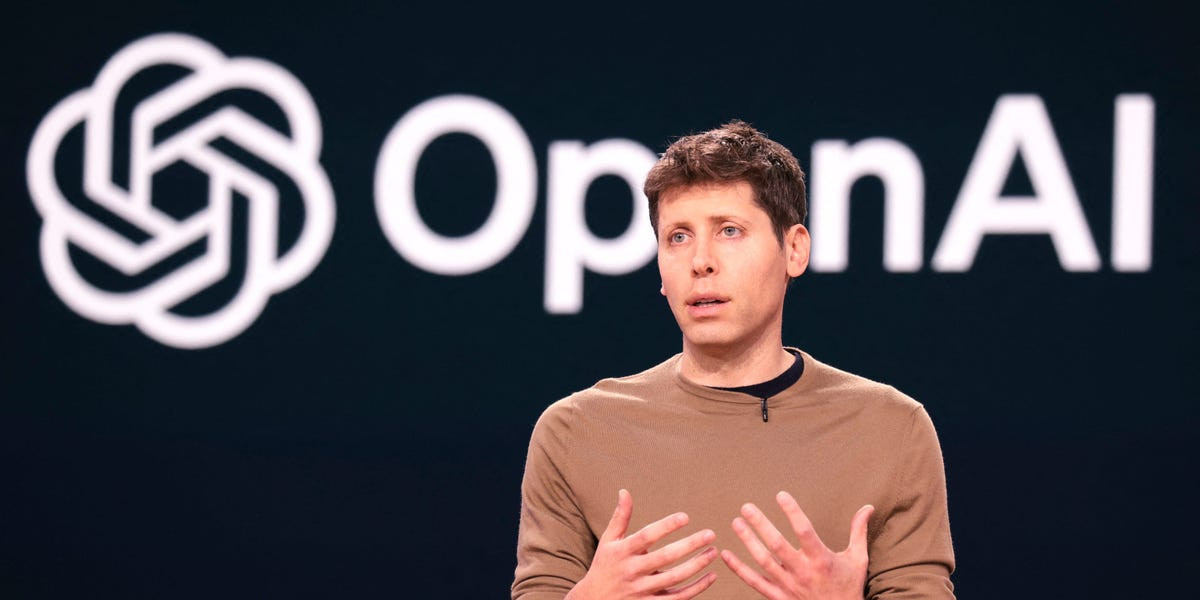
OpenAI CEO Sam Altman said at the India AI Impact Summit that many companies are blaming artificial intelligence for job cuts even when the layoffs stem from other business decisions such as overhiring or cost-cutting, a practice he labeled “AI washing,” explaining that while some jobs will indeed be displaced by automation over time, attributing broad layoffs directly to AI right now is misleading and often used as a PR shield for routine workforce reductions.
Sources
https://www.itpro.com/technology/artificial-intelligence/sam-altman-ai-layoffs-ai-washing
https://www.sfchronicle.com/tech/article/layoffs-sam-altman-ai-washing-21647451.php
https://www.uniladtech.com/news/ai/sam-altman-ai-washing-blame-human-layoffs-790764-20260220
Key Takeaways
- Sam Altman asserts that attributing layoffs to AI (“AI washing”) is often a corporate tactic to disguise standard business layoffs.
- He acknowledges AI will cause some job displacement over time, but argues most current layoffs are not truly caused by the technology.
- The debate reflects broader tension over the real impact of AI on employment versus public narratives used by companies.
In-Depth
At a recent technology summit in India, Sam Altman, the chief executive officer of OpenAI, made waves by challenging the prevailing narrative that artificial intelligence is the primary driver behind mass layoffs across the tech sector. In remarks that have reverberated around business and technology circles, Altman said there’s a growing trend of companies pointing to AI as the reason they are cutting jobs, when in fact the layoffs are driven by more traditional business concerns such as cost management, overhiring during boom periods, or strategic pivots. This phenomenon, which he referred to as “AI washing,” is akin to the concept of “greenwashing” where firms exaggerate environmental benefits; in this case, businesses allegedly use AI as a convenient scapegoat to soften the public perception of workforce reductions that might otherwise draw criticism.
Altman’s comments underscore a broader debate about the actual versus perceived impact of AI on jobs. While he didn’t deny that automation and machine intelligence will inevitably change the labor market and displace certain roles, he emphasized that current employment data and economic evidence do not support the claim that AI is already responsible for widespread layoffs. According to reporting on his remarks, he suggested that many layoffs would have occurred regardless of AI’s rise and that businesses may be leveraging the tech narrative to distract from managerial or financial shortcomings. The CEO also hinted that, similar to past technological revolutions, new employment opportunities may emerge even as certain job categories evolve or disappear.
The reaction from analysts and industry watchers has been mixed. Some see Altman’s remarks as a candid acknowledgment from a major AI leader that current fears over automation are overblown, while others interpret his stance as self-serving given OpenAI’s position at the heart of the AI economy. Altman’s critique raises important questions about how companies communicate workforce decisions and highlights the need for clearer distinctions in public discourse between technological evolution and routine corporate restructuring. While AI will undeniably accelerate changes in how work is done, conflating everyday layoffs with broader technological displacement may obscure more than it illuminates, according to his perspective. With the conversation around AI and employment still evolving, Altman’s comments are sure to fuel further discussion about how companies use technological narratives in shaping public perception and policy discussions.