

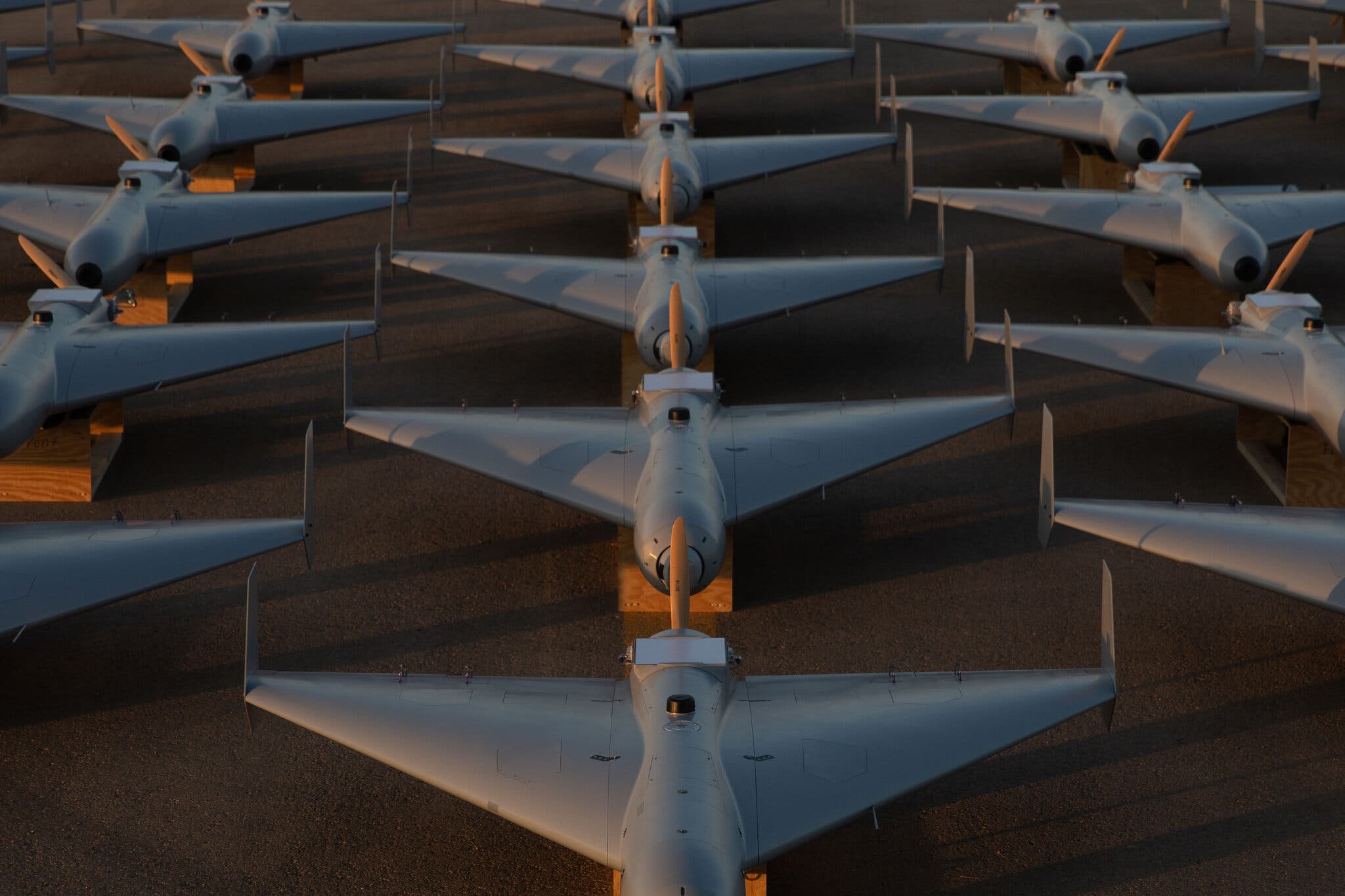
Iran’s Shahed-series attack drones—cheap, expendable “one-way” unmanned aircraft designed to crash into targets—have emerged as one of the most consequential technological shifts in modern warfare, forcing U.S. military planners to rethink battlefield strategy after their extensive use by Russia in Ukraine and growing proliferation across the Middle East. Originally developed by Iran’s state-run aerospace sector, the Shahed-136 and related variants have proven effective because they combine long range, relatively simple guidance systems, and extremely low production costs, allowing operators to overwhelm sophisticated air defenses through sheer volume. Analysts note that thousands of these drones have been launched against Ukrainian cities and infrastructure, demonstrating how relatively inexpensive technology can inflict outsized strategic effects by draining the enemy’s expensive missile interceptors and forcing defenders to spread their resources thin. The spread of these systems—along with evidence that the United States and its allies are studying or reverse-engineering similar designs—illustrates a broader transformation in warfare, where mass-produced drones may increasingly replace costly precision weapons and reshape the balance between offense and defense on future battlefields.
Sources
https://www.flightglobal.com/military-uavs/us-deploys-iranian-derived-strike-drones-in-operation-epic-fury/166480.article
https://asiatimes.com/2026/02/irans-drones-giving-russia-a-critical-edge-in-ukraine-war/
https://www.csis.org/analysis/calculating-cost-effectiveness-russias-drone-strikes
https://www.pbs.org/newshour/world/live-updates-u-s-and-israel-attack-iran
Key Takeaways
- Iranian-designed Shahed drones have demonstrated how inexpensive “kamikaze” drones can overwhelm sophisticated air defenses and alter the economics of modern warfare.
- Russia’s extensive use of these drones in Ukraine—reportedly numbering in the tens of thousands—has highlighted their strategic value for long-range strikes against infrastructure and urban targets.
- U.S. military planners and defense analysts are studying the implications of this technology, including reverse-engineering similar systems, as the proliferation of cheap drones becomes a defining feature of 21st-century conflict.
In-Depth
The emergence of Iran’s Shahed drone family represents a pivotal shift in how wars are fought in the modern era. Unlike traditional cruise missiles or advanced fighter aircraft, these unmanned systems are designed around a brutally simple concept: affordability and mass deployment. The Shahed-136, one of the most widely used variants, functions as a “loitering munition,” meaning it can travel long distances before diving into a target and detonating its warhead. This combination of long range and low cost makes it particularly attractive to governments and militias seeking asymmetric advantages over technologically superior adversaries.
The war in Ukraine has provided the clearest demonstration of the drone’s strategic impact. Russia’s military began using Iranian-supplied Shahed drones early in the conflict, deploying them in large swarms against Ukrainian cities, energy infrastructure, and military positions. Analysts say the tactic works not because each drone is individually unstoppable but because their sheer numbers complicate defense. A single interceptor missile used by Western air-defense systems can cost hundreds of thousands of dollars, while a Shahed drone may cost only tens of thousands. This disparity creates a harsh economic imbalance: defenders may spend far more shooting down the drones than attackers spend launching them.
Beyond Ukraine, the technology has broader implications for global security. Reports indicate that Russia has increasingly localized production of these drones, adapting the design to its own military needs and manufacturing them domestically. At the same time, other actors are studying the concept and incorporating similar systems into their arsenals. This growing proliferation raises concerns among Western defense planners that inexpensive drone swarms could threaten military bases, naval assets, and civilian infrastructure across multiple regions.
The United States has already begun examining the lessons of these developments. Military analysts and engineers are exploring ways to counter drone swarms while also investigating the potential utility of low-cost strike drones themselves. In some cases, American forces have experimented with reverse-engineered versions inspired by the Shahed design, reflecting a pragmatic recognition that the economics of warfare are changing.
Taken together, the rise of Shahed-style drones underscores a deeper transformation underway in modern conflict. Where previous generations of warfare relied heavily on expensive, high-precision weapons systems, the emerging model emphasizes quantity, adaptability, and cost efficiency. In practical terms, this means that even technologically advanced militaries must adapt to a world where relatively cheap unmanned systems can shape the battlefield—and where the ability to produce and counter drones at scale may become as decisive as traditional military power.