

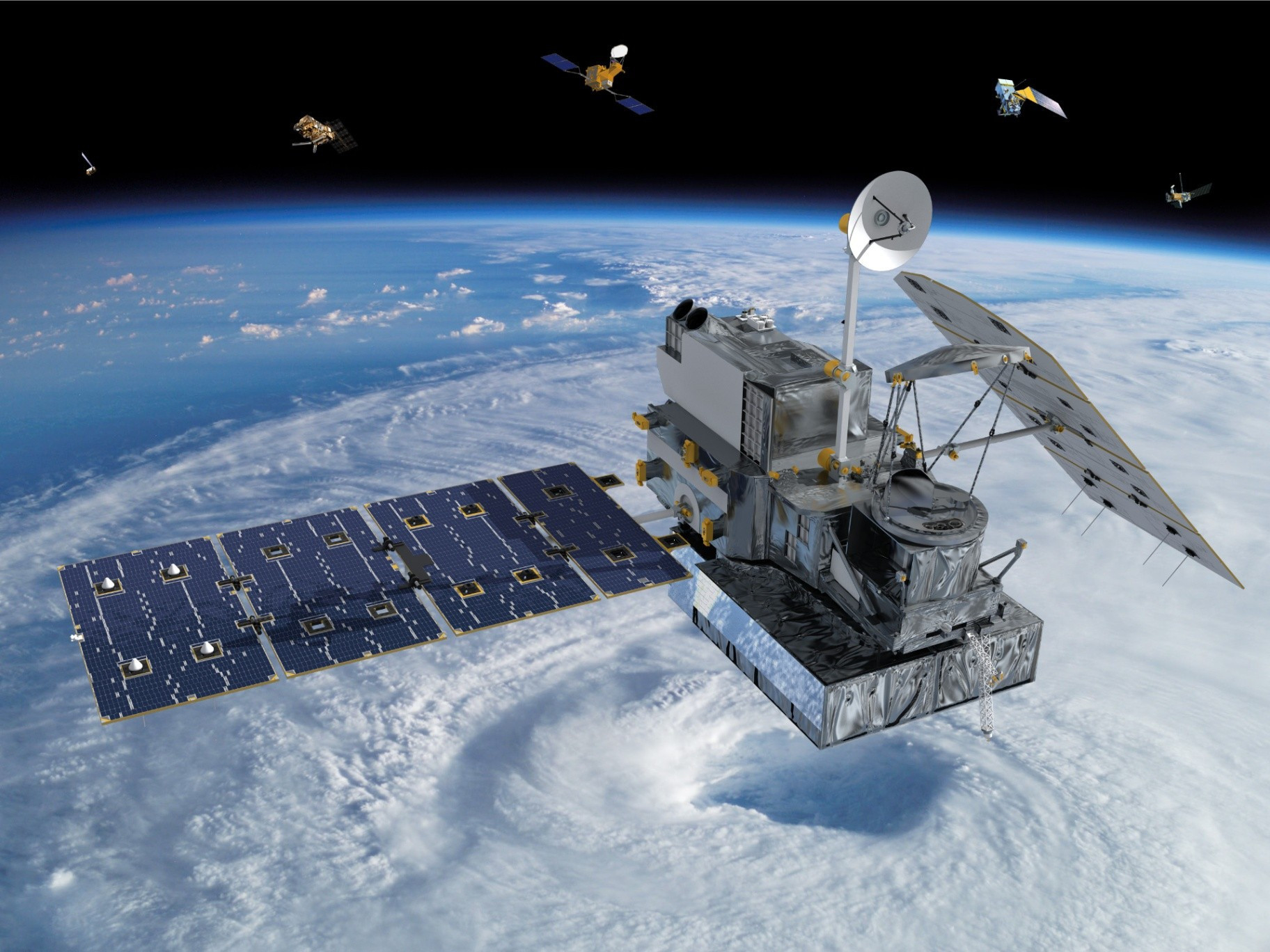
K2 Space is preparing to launch its first high-powered “Mega Class” satellite, dubbed Gravitas, in 2026, marking a significant push toward enabling space-based computing and orbital data infrastructure. The satellite is designed to deliver unprecedented onboard power—around 20 kilowatts—far exceeding traditional small satellites, with the goal of supporting advanced compute workloads directly in orbit. The mission will test key technologies including high-voltage power systems, large solar arrays, and a powerful electric propulsion system capable of moving the satellite from low Earth orbit to more strategically valuable medium Earth orbit. Backed by government contracts and commercial demand, the effort reflects a broader shift toward larger, more capable satellites that challenge the industry’s long-standing focus on small, lightweight spacecraft. If successful, K2’s approach could unlock entirely new capabilities in national security, communications, and cloud-like computing infrastructure in space.
Sources
https://techcrunch.com/2026/03/19/k2-to-launch-its-first-high-powered-satellite-for-space-compute/
https://www.techbuzz.ai/articles/k2-space-preps-first-satellite-to-test-data-centers-in-orbit
https://www.builtinla.com/articles/k2-space-raises-250m-series-c-20251212
https://www.thefastmode.com/technology-solutions/43098-k2-space-achieves-key-milestones-ahead-of-2026-gravitas-satellite-launch
Key Takeaways
- The satellite represents a deliberate shift away from smallsat strategies toward fewer, more powerful platforms capable of supporting advanced workloads like space-based computing.
- K2’s Gravitas mission is designed to validate high-power systems and propulsion technologies that could enable scalable orbital data centers and national security applications.
- Medium Earth orbit is emerging as a strategically important domain, and this mission could help open it to broader commercial and defense use.
In-Depth
What’s unfolding here is more than just another satellite launch—it’s a fundamental challenge to the way the space industry has been thinking for decades. For years, the dominant philosophy centered on smaller, cheaper satellites deployed in large constellations. That model made sense when launch costs were high and every kilogram mattered. But K2 Space is betting that those assumptions are rapidly becoming outdated, and they’re putting real hardware behind that conviction.
The Gravitas satellite is essentially a test case for a different future—one where power, not just size or cost, becomes the defining metric. With roughly 20 kilowatts of onboard power, this system dwarfs traditional satellites and begins to approach the kind of energy levels needed for serious computing tasks in orbit. That matters because the next frontier in space isn’t just communications or imaging—it’s processing. Moving compute workloads off Earth, closer to where data is collected, could reduce latency, improve security, and enable entirely new categories of applications.
There’s also a strategic layer here that shouldn’t be ignored. Medium Earth orbit has long been underutilized because it’s technically challenging and expensive to reach and operate in. Yet it offers significant advantages for defense systems, including missile tracking and resilient communications. By proving that a high-powered satellite can operate effectively in that environment—and get there using electric propulsion rather than costly direct launches—K2 is positioning itself squarely in the middle of both commercial and national security demand.
Of course, this is still a proving ground. Building bigger satellites introduces its own risks, from thermal management to radiation exposure and system complexity. But if Gravitas performs as intended, it could mark a turning point. Instead of thousands of small satellites doing limited tasks, you could see a smaller number of highly capable platforms handling far more sophisticated workloads.
That’s not just an engineering shift—it’s a strategic one. And if K2 is right, the future of space infrastructure may look a lot more like a network of orbital data centers than the fragmented constellations we’ve been told are inevitable.