

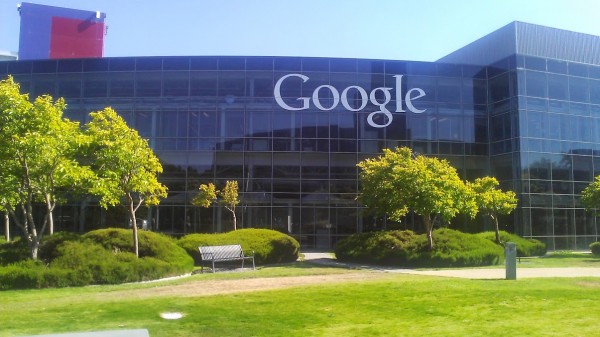
Google is rapidly redefining how Big Tech powers artificial intelligence infrastructure, moving away from traditional grid reliance and toward vertically integrated energy strategies that bundle massive new clean-energy capacity directly with data center expansion, a shift highlighted by a multi-gigawatt agreement that includes solar, battery storage, and other flexible “clean resources” designed to secure reliable power at scale; this evolving playbook reflects both necessity and strategy, as AI-driven demand has caused electricity consumption at Google’s data centers to surge dramatically, forcing the company to pursue long-term control over energy sourcing, cost exposure, and grid constraints while signaling a broader industry pivot toward co-located generation, hybrid energy portfolios, and self-sufficient infrastructure models that could fundamentally reshape how power markets and technology platforms intersect in the coming decade.
Sources
https://techcrunch.com/2026/03/17/googles-data-center-power-playbook-comes-into-focus/
https://finance.yahoo.com/news/google-data-center-power-playbook-164602799.html
https://longbridge.com/en/news/279468101
Key Takeaways
- Big Tech is no longer just buying power—it is actively building and structuring energy supply to match AI-scale demand, effectively becoming a quasi-utility player.
- The integration of solar, storage, and flexible “clean” resources reflects a strategic hedge against grid bottlenecks and rising electricity costs tied to AI expansion.
- This model signals a broader shift where data center growth and energy infrastructure are developed simultaneously, fundamentally altering traditional utility relationships.
In-Depth
What’s unfolding here is not just another incremental infrastructure upgrade—it’s a structural shift in how power is procured, controlled, and deployed in the AI era. For years, major technology companies positioned themselves as large-scale buyers of electricity, signing power purchase agreements and leaning on utilities to deliver capacity. That model is now breaking down under the weight of exponential AI demand, and Google’s latest moves show exactly how the industry intends to respond.
The key change is integration. Instead of treating energy as a downstream input, Google is pairing new data center developments directly with newly built generation capacity—on paper and in practice. The reported 2.7 gigawatts of planned resources tied to a single project, including solar, battery storage, and other flexible energy sources, demonstrates a scale that rivals regional utilities. This is not about sustainability branding; it is about securing dependable power in an environment where the grid is increasingly constrained.
There’s a hard reality driving this: electricity demand tied to AI workloads is exploding. Google’s own data center consumption has more than doubled in just a few years, underscoring the pace at which compute infrastructure is expanding. Traditional grid expansion simply cannot keep up with that trajectory, especially when permitting, transmission buildout, and regulatory delays are factored in. As a result, companies are bypassing the bottleneck.
What makes this strategy particularly significant is its flexibility. By incorporating battery storage and a mix of energy sources, Google is not just locking in supply—it is shaping when and how that supply is used. That matters because AI workloads can be shifted, paused, or optimized in ways that traditional industrial demand cannot. In other words, the company is designing a system where both the supply side and demand side are under its control.
There’s also a political and economic undertone that shouldn’t be ignored. By committing to fund its own energy needs and infrastructure, Google is attempting to preempt criticism that data center expansion will drive up costs for everyday ratepayers. At the same time, it positions the company as a partner—rather than a burden—to utilities and regulators. That’s a calculated move in an environment where public resistance to massive data center projects is growing.
Stepping back, this is where things get interesting. The traditional boundary between technology companies and energy providers is beginning to blur. When a company is planning gigawatts of generation capacity alongside its computing infrastructure, it’s no longer just a customer of the grid—it’s a participant in shaping it.
If this model proves successful, expect it to spread quickly across the industry. The implications are significant: more private control over energy supply, less reliance on public infrastructure, and a future where the companies building AI systems also control the power that makes them possible.