

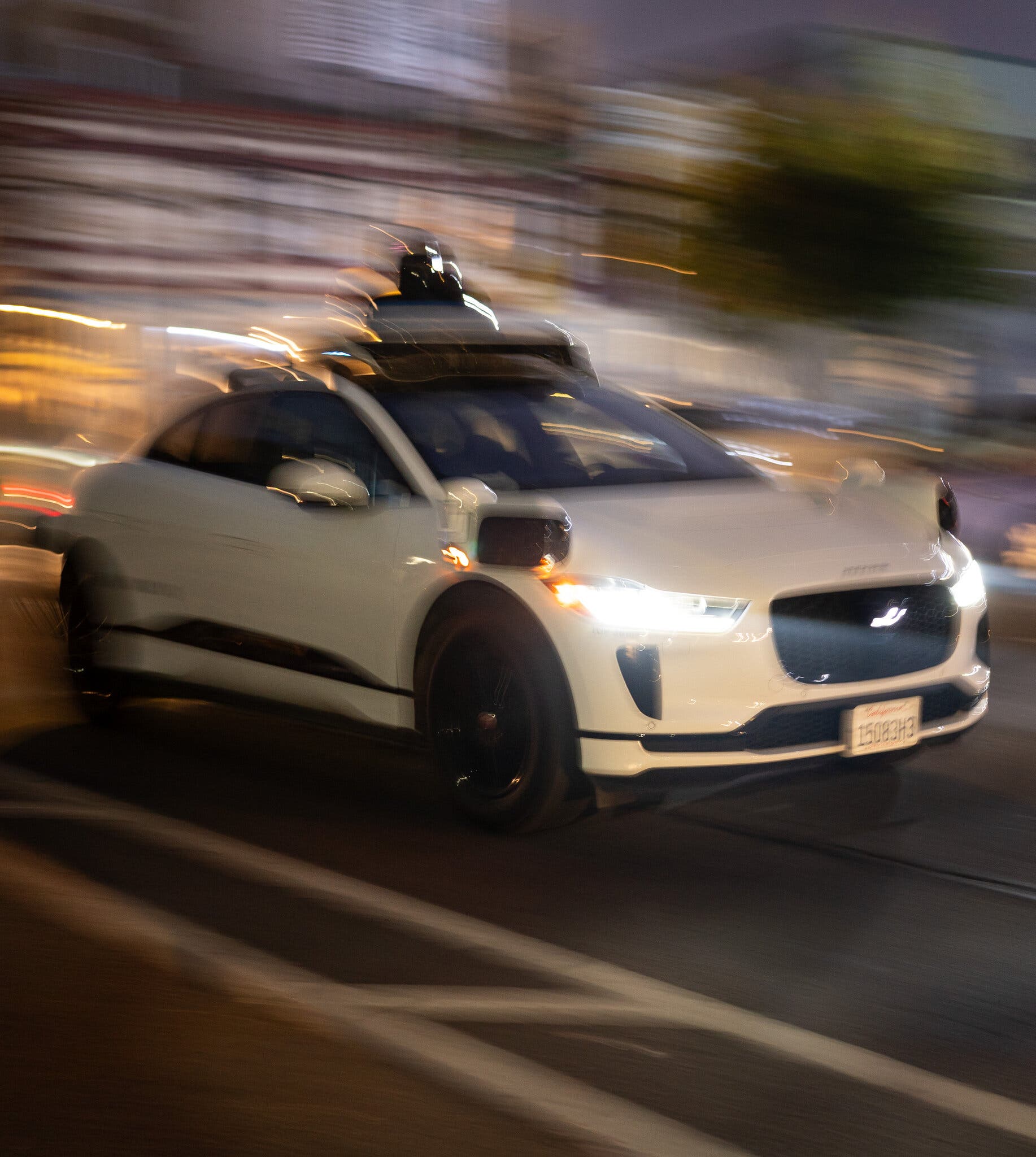
Waymo’s autonomous ride-hailing operation has entered a new phase of rapid, real-world adoption, now delivering roughly 500,000 paid robotaxi rides per week across 10 U.S. cities, marking a tenfold increase in weekly trips in less than two years as the company aggressively expands into major Sun Belt markets and scales its fleet beyond 3,000 vehicles. This surge reflects not just technological progress but a clear shift toward commercial viability, as expansion into cities like Dallas, Houston, Orlando, and Miami fuels demand while reinforcing the broader push to normalize driverless transportation in everyday life. The pace of adoption underscores a growing consumer willingness to embrace autonomous mobility, positioning the technology as a serious competitor to traditional ride-hailing and signaling a pivotal inflection point in the transportation sector’s evolution.
Sources
https://techcrunch.com/2026/03/27/waymo-skyrocketing-ridership-in-one-chart/
https://finance.yahoo.com/sectors/technology/articles/waymo-skyrocketing-ridership-one-chart-191110058.html
https://www.barrons.com/articles/alphabet-stock-waymo-robotaxi-growth-morgan-stanley-80af9238
Key Takeaways
- Waymo’s weekly robotaxi rides have increased tenfold in under two years, signaling rapid consumer adoption and operational scaling.
- Expansion into multiple new U.S. cities—particularly in high-growth Sun Belt regions—has been a major driver of ridership gains.
- The company’s growth trajectory suggests autonomous ride-hailing is transitioning from experimental to commercially viable at scale.
In-Depth
The acceleration of Waymo’s ridership isn’t just a data point—it’s a signal that the long-promised autonomous future is no longer theoretical. When a company can grow usage tenfold in under two years while simultaneously expanding into new markets, it points to something deeper than novelty. It suggests that consumers are not only willing to try driverless transportation, but are beginning to rely on it.
What stands out here is how deliberately this growth has been executed. Rather than attempting a scattered rollout, the expansion has focused heavily on high-population, high-mobility regions where demand for ride-hailing is already established. That approach minimizes friction and maximizes early adoption, allowing the company to scale in environments where the service is immediately useful rather than experimental. It’s a disciplined strategy that prioritizes practical deployment over hype.
At the same time, the numbers indicate that operational confidence has reached a point where scaling the fleet is no longer the primary constraint. With over 3,000 vehicles in circulation and still growing, the system appears capable of handling increased demand without the bottlenecks that typically plague emerging technologies. That matters because reliability—not innovation—is what ultimately determines whether a service becomes mainstream.
There’s also a broader economic implication. If autonomous fleets can deliver rides at scale without the labor costs associated with traditional driving, the competitive pressure on existing ride-hailing platforms becomes unavoidable. Over time, that dynamic could reshape pricing, availability, and even urban transportation patterns.
Still, the trajectory isn’t guaranteed. Expansion into more complex urban environments, regulatory scrutiny, and public trust remain variables that could either accelerate or slow adoption. But based on the current growth curve, it’s clear that autonomous ride-hailing has crossed an important threshold—from concept to credible contender in the transportation ecosystem.