

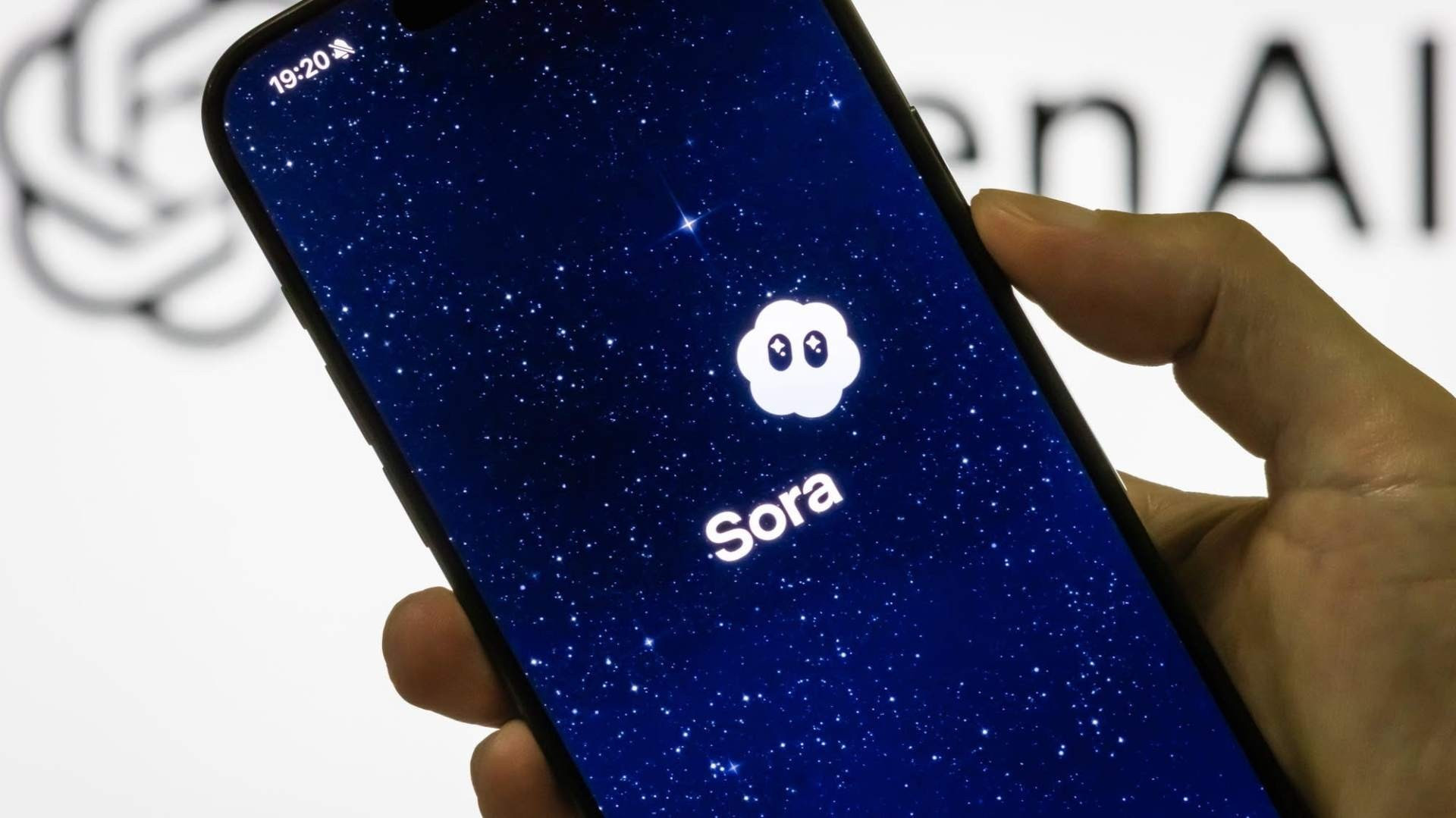
OpenAI has abruptly shut down its Sora text-to-video platform just months after aggressively pushing into AI-generated entertainment, signaling a strategic retreat amid mounting legal, ethical, and economic pressures, while a separate court development left Meta sidelined in a high-stakes legal fight over technology and intellectual property. The Sora shutdown ends what had been positioned as a transformative leap into AI-driven video creation, including a high-profile but ultimately unrealized billion-dollar partnership with Disney, and reflects deeper issues with profitability, content moderation, and copyright exposure. At the same time, legal scrutiny across the AI and tech landscape continues to intensify, with courts increasingly unwilling to give major platforms the benefit of the doubt when intellectual property and user protections are at stake. Taken together, the developments highlight a growing reality: the rapid expansion phase of consumer-facing AI is colliding with legal constraints, economic realities, and a market that is starting to separate hype from sustainable utility.
Sources
https://finance.yahoo.com/sectors/technology/articles/openai-shuts-down-sora-while-133000917.html
https://www.sfchronicle.com/entertainment/article/openai-sora-shutdown-disney-22096525.php
https://www.thetimes.com/business/companies-markets/article/open-ai-sora-shutting-down-disney-why-hl7nfmcph
Key Takeaways
- OpenAI’s shutdown of Sora reflects deeper economic and legal challenges surrounding AI-generated media, particularly around copyright and high operating costs.
- A major planned partnership involving licensed entertainment content collapsed, underscoring industry hesitation to fully embrace generative AI without stronger safeguards.
- Legal pressure across the tech sector is increasing, with courts showing less tolerance for aggressive expansion strategies that brush up against intellectual property or regulatory concerns.
In-Depth
What you’re seeing here isn’t just the end of a flashy AI product—it’s a reality check for the entire industry. Sora was supposed to be a glimpse into the future: instant, high-quality video creation from simple prompts. And to be fair, the technology delivered on that promise in a technical sense. But the economics and the legal exposure never caught up. When a product generates headlines but not sustainable revenue—and worse, opens the door to lawsuits—it becomes a liability, not an asset.
The collapse of the anticipated entertainment partnership is particularly telling. On paper, it looked like a turning point: major intellectual property holders working hand-in-hand with AI developers. In practice, it exposed just how uneasy that relationship still is. Content owners are willing to experiment, but they’re not willing to lose control. And when the risk of misuse—deepfakes, unauthorized likenesses, and copyright violations—starts to outweigh the upside, they pull back fast.
At the same time, the broader legal environment is tightening. Courts are no longer rubber-stamping the “move fast and break things” mindset that defined the last two decades of tech expansion. Instead, they’re signaling that if companies want to operate at scale—especially in areas involving content, identity, and data—they’re going to have to play by clearer, stricter rules.
There’s also a more practical layer to all of this: cost versus value. AI video generation is computationally expensive, and while it’s impressive, it hasn’t yet proven itself as a must-have tool for most users or businesses. That gap between capability and real-world utility is where many of these high-profile projects are starting to break down.
So what you’re seeing isn’t a collapse of AI—it’s a narrowing. The industry is shifting away from novelty and toward applications that actually deliver measurable returns. That may not be as exciting, but it’s a lot more sustainable.