

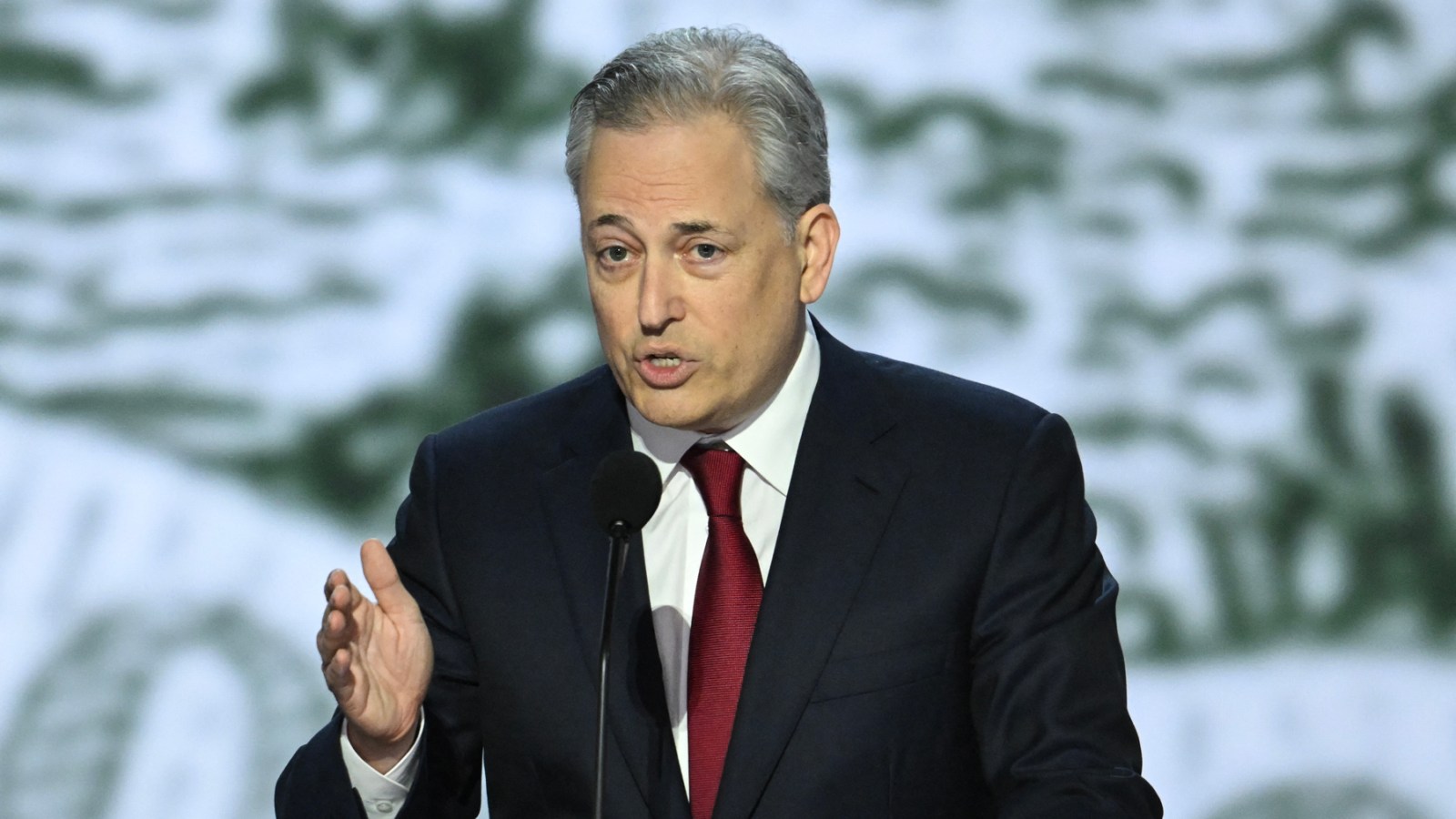
David Sacks, a prominent figure in the administration’s approach to artificial intelligence and cryptocurrency policy, has stepped down from his role as the administration’s AI and crypto advisor to assume a new position as co-chair of the President’s advisory body on science and technology, signaling a strategic shift toward broader oversight of emerging technologies. The move reflects an effort to consolidate influence over rapidly evolving sectors like AI, digital assets, and advanced computing under a more centralized advisory framework, while also raising questions about continuity in regulatory direction and the balance between innovation and government intervention. Sacks’ transition suggests the administration is prioritizing long-term strategic guidance over day-to-day policy management, potentially reshaping how federal agencies coordinate on technology policy, national competitiveness, and economic security.
Sources
https://www.theepochtimes.com/us/ai-crypto-czar-david-sacks-resigns-moves-to-co-chair-presidents-advisory-science-body-6004495
https://www.reuters.com/technology/us-tech-policy-advisor-role-changes-ai-crypto-focus-2026-03-27/
https://www.bloomberg.com/news/articles/2026-03-27/white-house-tech-advisor-shift-signals-new-ai-strategy
Key Takeaways
- The transition reflects a shift from hands-on policy execution to broader strategic oversight of emerging technologies at the federal level.
- Centralizing influence within a presidential advisory body may streamline coordination but raises concerns about bureaucratic expansion and regulatory overreach.
- The move underscores the growing importance of AI and cryptocurrency in national policy, particularly in relation to economic competition and security.
In-Depth
The decision to move David Sacks from a specialized advisory role into a co-chair position on a broader science and technology body is not just a personnel change—it’s a signal of how Washington intends to handle the next phase of technological competition. Instead of managing AI and crypto policy in a silo, the administration appears to be folding these sectors into a wider strategic framework that includes national security, economic resilience, and global leadership. That sounds orderly on paper, but in practice it often means more layers of oversight and slower decision-making.
There’s a real tension here. On one hand, the United States needs a coherent strategy to compete with adversaries who are aggressively investing in artificial intelligence and digital infrastructure. On the other, expanding federal influence over fast-moving industries risks choking off the very innovation that made the country dominant in the first place. When leadership shifts from operators to advisors, you typically see less agility and more process.
Sacks’ new role could bring a more unified vision, especially if the advisory body effectively coordinates across agencies that historically don’t communicate well. But it also concentrates influence in a way that may sideline private-sector dynamism. The administration is betting that centralized guidance can outpace fragmented innovation. History suggests that’s a gamble.
Ultimately, this move reflects a broader philosophical divide: whether technological leadership is best achieved through top-down coordination or bottom-up entrepreneurship. The answer will shape not just policy, but the future of America’s competitive edge.