

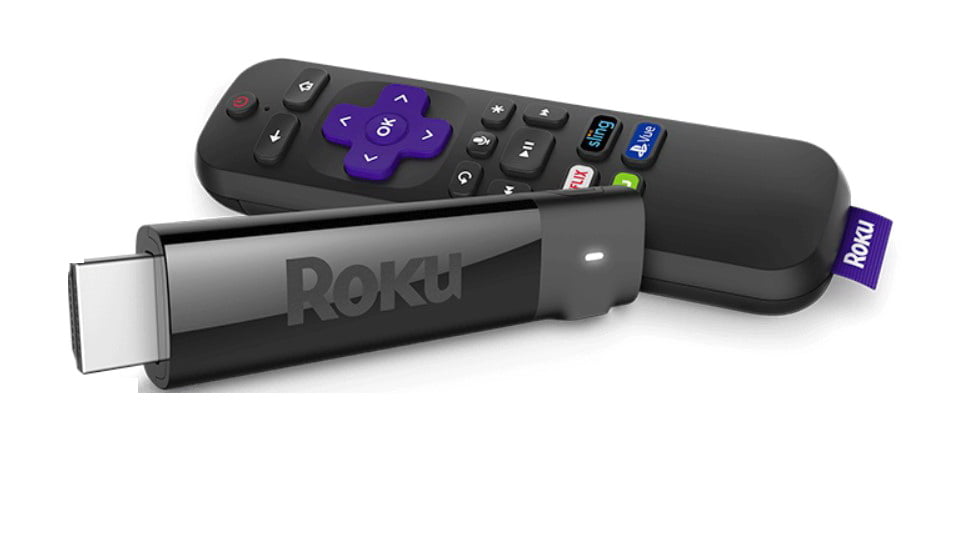
Roku has rolled out a standalone app for its budget-friendly Howdy streaming service, signaling a calculated push into the ultra-low-cost subscription tier as consumers grow more selective with entertainment spending. Priced at just $2.99 per month, Howdy is positioned as a stripped-down, value-driven offering aimed at viewers who want curated content without the bloated pricing structures that have come to define the streaming market. By separating Howdy into its own dedicated app rather than bundling it inside a broader ecosystem, Roku is betting that simplicity, affordability, and direct access will resonate with cost-conscious households increasingly frustrated by rising subscription fatigue. The move also reflects a broader shift across the industry, where platforms are experimenting with leaner, niche-oriented services to retain users who might otherwise cancel subscriptions entirely amid economic pressure and content fragmentation.
Sources
https://techcrunch.com/2026/03/31/roku-launches-a-standalone-app-for-howdy-its-2-99-streaming-service/
https://www.theverge.com/2026/03/31/roku-howdy-streaming-service-app-launch-details
https://www.engadget.com/roku-howdy-app-launch-cheap-streaming-service-120000000.html
Key Takeaways
- Roku is targeting price-sensitive consumers with a standalone $2.99 service, emphasizing simplicity over content volume.
- The launch reflects a broader industry pivot toward smaller, specialized streaming options amid subscription fatigue.
- Separating the service into its own app suggests a strategic move to build brand identity and reduce friction in user access.
In-Depth
Roku’s decision to launch a standalone app for its Howdy streaming service is less about innovation and more about recalibration. The streaming industry has spent the better part of a decade chasing scale—bigger libraries, bigger budgets, and bigger monthly fees. That strategy is now colliding with a consumer base that is increasingly unwilling to subsidize sprawling content ecosystems they barely use. What Roku appears to understand is that the next phase of streaming competition may not be defined by who offers the most, but by who offers just enough at the right price.
At $2.99 per month, Howdy undercuts nearly every major subscription competitor, positioning itself as a kind of “utility streaming service.” It’s not trying to replace premium platforms; it’s trying to coexist alongside them as a low-cost supplement. That distinction matters. Instead of asking consumers to commit, Roku is asking them not to cancel. In an environment where households are trimming subscriptions rather than expanding them, that’s a subtle but important shift in strategy.
The decision to give Howdy its own app also reflects a broader understanding of user behavior. Bundled services can create confusion, dilute branding, and add unnecessary friction. By isolating Howdy into a standalone experience, Roku is making the value proposition unmistakably clear: open the app, pay a minimal fee, and watch. No upselling, no complexity, no hidden tiers. That kind of clarity is increasingly rare in a market that has become crowded with overlapping offerings and convoluted pricing structures.
There’s also a cultural angle at play. As streaming services have leaned heavily into prestige content and high production values, they’ve inadvertently left a gap for simpler, more accessible programming. Not every viewer is looking for the next blockbuster series. Many just want something easy, familiar, and affordable. Howdy seems designed to meet that demand without overpromising or overdelivering.
From a business standpoint, the move is pragmatic. Lower-cost services can operate with leaner content budgets and still turn a profit if they achieve sufficient scale. They also create an entry point for users who might later migrate to higher-tier offerings. In that sense, Howdy functions as both a standalone product and a potential funnel.
Ultimately, Roku’s approach suggests a recognition that the streaming wars are entering a new phase—one where restraint, not excess, may prove to be the winning strategy.