

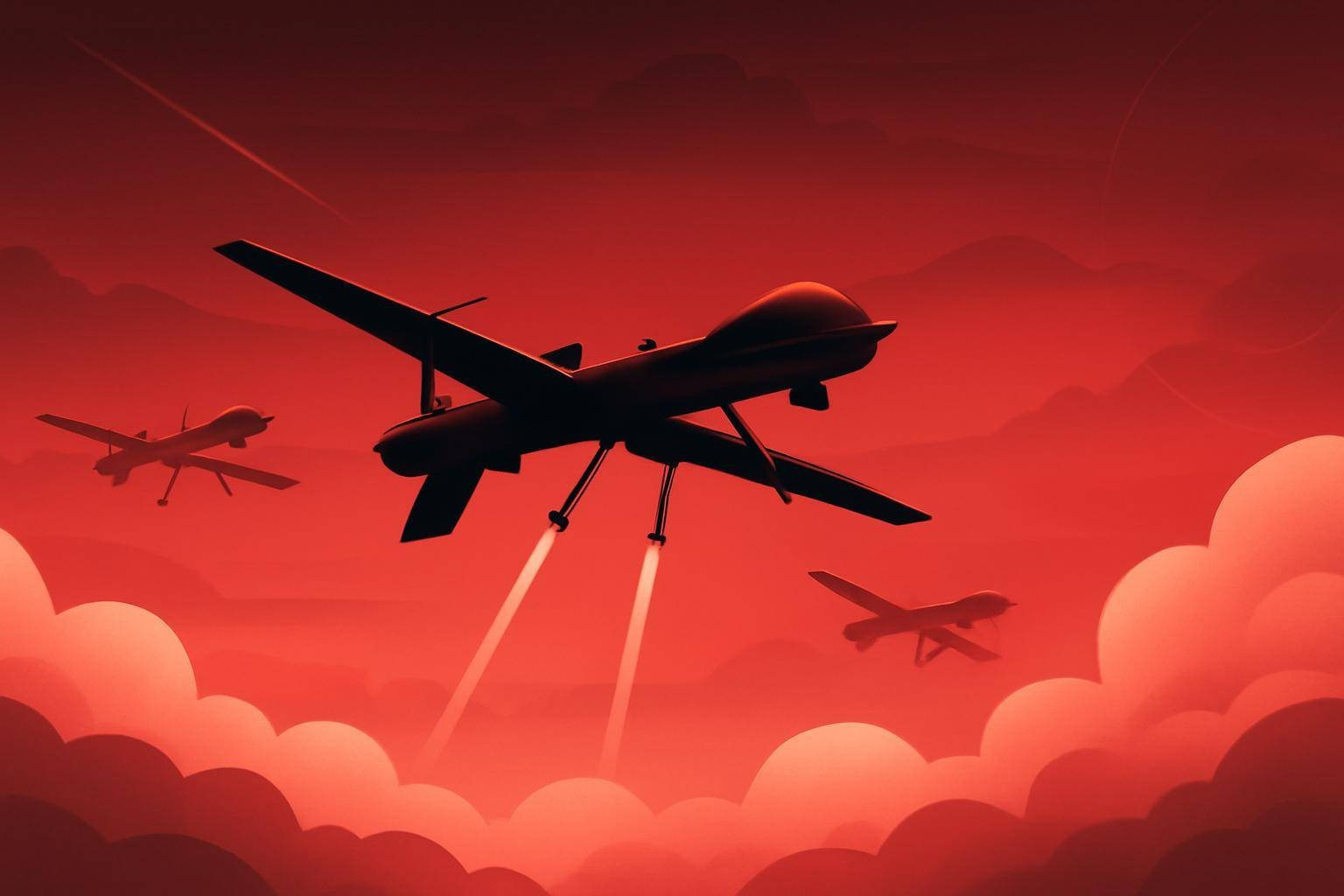
A longtime cybersecurity expert who built a career combating malware threats is now redirecting his expertise toward exposing vulnerabilities in drone technology, highlighting a rapidly emerging security frontier as unmanned aerial systems become more widespread in both commercial and defense applications. After years spent tracking digital threats across networks and devices, the veteran has shifted to actively “hacking” drones in controlled environments to identify weaknesses in communication protocols, firmware, and control systems that could be exploited by bad actors. His work underscores growing concerns that drones—used for everything from deliveries to surveillance—could be hijacked, disrupted, or weaponized if security gaps are not addressed. By demonstrating how easily some systems can be compromised, he aims to push manufacturers and regulators toward stronger safeguards before the technology becomes too deeply embedded in critical infrastructure. The pivot reflects a broader trend in cybersecurity, where the attack surface is expanding beyond traditional computing systems into the physical world, raising the stakes for both public safety and national security.
Sources
https://techcrunch.com/2026/04/04/after-fighting-malware-for-decades-this-cybersecurity-veteran-is-now-hacking-drones/
https://www.wired.com/story/drone-hacking-security-risks-research/
https://www.reuters.com/technology/cybersecurity/drones-cybersecurity-risks-experts-warning-2025-12-18/
Key Takeaways
- Drone technology is rapidly becoming a major cybersecurity vulnerability as its adoption accelerates across industries and government use cases.
- Ethical hackers are increasingly focusing on real-world systems like drones to expose weaknesses before malicious actors exploit them.
- Current security standards for drones lag behind their deployment, raising concerns about potential misuse, including surveillance breaches and physical harm.
In-Depth
The shift from traditional malware defense to drone hacking is not just a career pivot—it’s a warning sign about where the next major cybersecurity battles will be fought. For decades, the primary concern in cybersecurity revolved around protecting data, networks, and endpoints. That paradigm is changing quickly. As drones become more common in logistics, agriculture, law enforcement, and even warfare, they represent a fusion of digital vulnerability and physical consequence. When a laptop gets hacked, data is compromised. When a drone gets hacked, people and property can be put at immediate risk.
What makes this transition particularly significant is that many drone systems were not originally designed with robust security in mind. Speed to market and functionality often took precedence over hardened defenses. As a result, communication links between controllers and drones, GPS dependencies, and onboard firmware can present entry points for intrusion. Ethical hackers are now stepping in to test these systems under controlled conditions, demonstrating how attackers might intercept signals, take control of drones mid-flight, or disrupt operations entirely.
There’s also a broader policy gap that hasn’t kept pace with the technology. Regulation tends to follow innovation, not lead it, and in the case of drones, that delay could prove costly. The increasing reliance on unmanned systems in sensitive roles—ranging from infrastructure inspection to border monitoring—means that vulnerabilities are no longer theoretical. They carry real-world implications that adversaries could exploit.
From a practical standpoint, this evolution in cybersecurity focus reflects a simple reality: the attack surface is no longer confined to screens and servers. It now extends into the skies. That reality demands a more aggressive approach from manufacturers, regulators, and security professionals alike. If they fail to act decisively, the same ingenuity that built the drone revolution could just as easily be turned against it.