

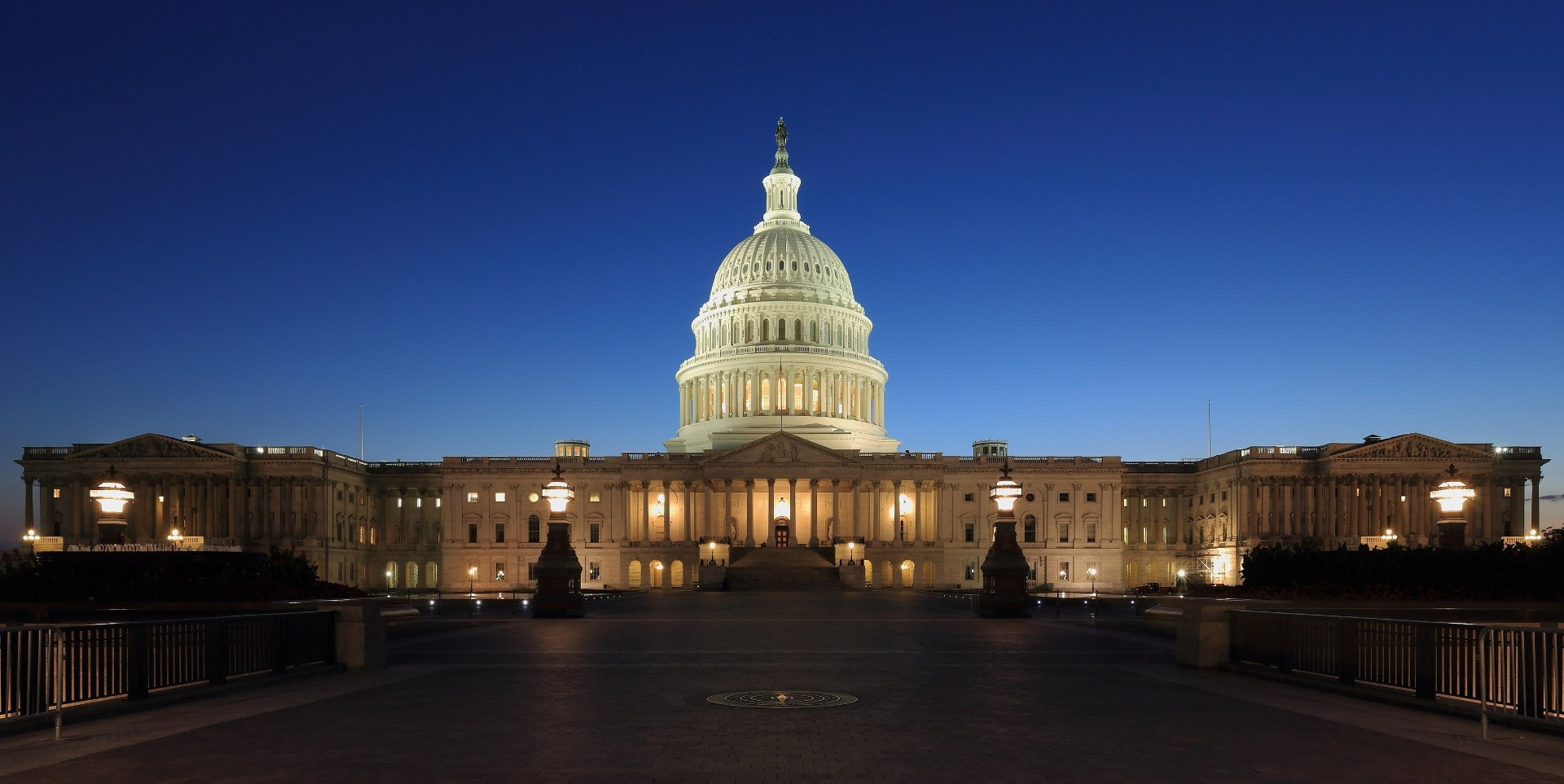
Congress is confronting mounting pressure to establish federal rules for artificial intelligence as lawmakers consider proposals covering frontier-model testing, catastrophic-risk safeguards, autonomous AI agents, data-center costs, and even mandatory “kill switches.” Bipartisan concern is growing, but lawmakers remain divided over how aggressively Washington should intervene in a technology increasingly tied to American economic competitiveness and national security. The legislative calendar presents another obstacle: with the House departing Washington ahead of the midterm elections, sweeping action is unlikely in the immediate future, even as Senate negotiations continue over requirements that could place new safety obligations on developers of the most powerful AI systems.
Key Takeaways
- Congress is considering multiple approaches to AI oversight, including government evaluation of advanced models, developer safety obligations, regulation of autonomous agents, and mechanisms capable of stopping dangerous AI systems.
- The regulatory debate increasingly centers on balancing legitimate safety and national-security concerns against the danger that expansive federal rules could hinder innovation, strengthen incumbent technology companies, or create excessive government control over a rapidly developing industry.
- Immediate comprehensive action remains unlikely because of the congressional calendar, although the House overwhelmingly passed legislation requiring state utility regulators to consider whether large electricity users such as data centers should bear infrastructure costs associated with their power demands.
In-Depth
Congress is assembling a broad menu of artificial-intelligence legislation, but the congressional calendar and disagreements over Washington’s proper role make immediate enactment unlikely. Proposals range from mandatory testing of frontier models and a federal “duty of care” to kill switches, standards for autonomous agents, and limits on advanced AI development. The House has already advanced a narrower measure addressing electricity costs associated with data centers.
The central dispute is how government should respond to AI risks without handing regulators sweeping authority over a technology central to economic growth and competition with China. Some lawmakers favor federal testing and intervention before powerful models reach the public. Others warn that premature rules could entrench today’s largest companies, burden smaller competitors, and let government influence technological development.
That tension matters as Congress considers federal standards that could override state AI laws. A national framework could prevent businesses from confronting conflicting regulatory regimes. Yet federal preemption would also concentrate authority in Washington, making the limits of any national rules especially consequential.
The immediate outlook remains constrained. The House has departed Washington ahead of the midterm elections, while Senate negotiators continue discussing safeguards aimed at catastrophic risks, including biological, nuclear, and cyber threats. The result is an unusual convergence: bipartisan interest in addressing serious AI risks, paired with substantial disagreement over regulatory reach. Congress appears increasingly determined to act, but the consequential question remains whether lawmakers can craft narrow, enforceable protections without turning precaution into permanent bureaucratic control over innovation and private technological development itself.
Sources
- https://www.reuters.com/legal/litigation/us-senate-negotiators-consider-requiring-ai-firms-mitigate-known-major-risks-2026-09-11/
- https://www.reuters.com/world/us-house-advances-first-bill-addressing-economic-impacts-data-center-boom-2026-09-16/
- https://www.brookings.edu/articles/congress-must-pass-a-new-federal-law-on-ai-governance/
- https://www.congress.gov/crs_external_products/R/PDF/R48555/R48555.2.pdf