

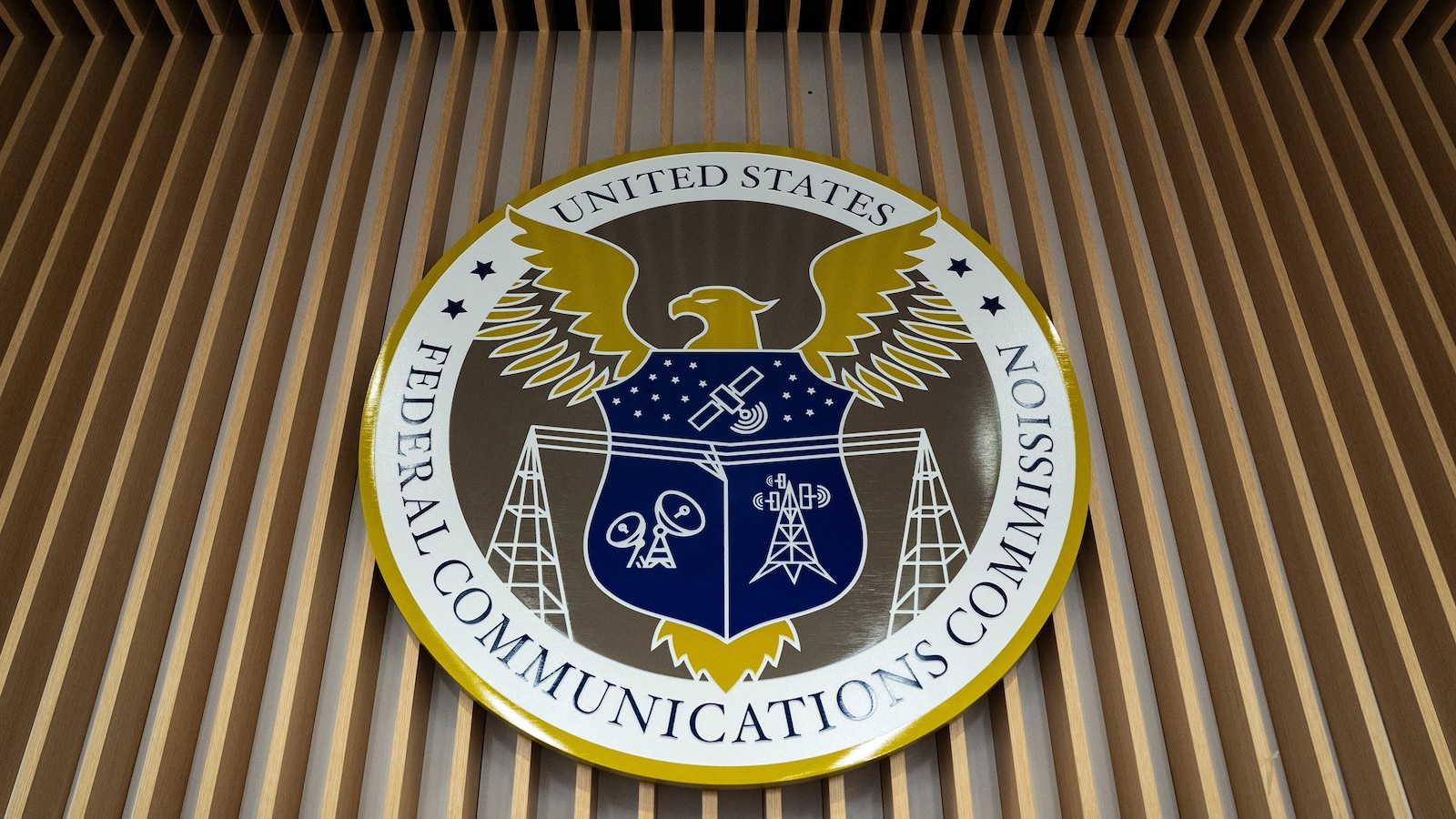
• A federal judge temporarily blocked the FCC from accelerating license renewals for eight ABC-owned stations, citing likely First Amendment violations.
• ABC accused the Trump administration of using regulatory authority to retaliate against unfavorable programming, while the FCC defended its oversight responsibilities.
• The injunction halts expedited licensing proceedings but preserves the FCC’s broader authority to investigate broadcasters for legitimate regulatory violations.
A federal judge temporarily blocked the Federal Communications Commission from accelerating broadcast license reviews for eight ABC-owned television stations, finding that the network is likely to prevail in its First Amendment retaliation lawsuit. U.S. District Judge Loren AliKhan, appointed by former President Joe Biden, issued a preliminary injunction Wednesday after ABC and parent company Disney argued that federal regulators targeted their editorial decisions. The stations had been ordered to seek license renewals years ahead of their normal deadlines.
The FCC maintains that its scrutiny concerns broadcasters’ legal obligations and public interest responsibilities, including questions surrounding corporate employment practices. ABC contends the expedited process followed criticism from President Donald Trump and FCC Chairman Brendan Carr over network programming. AliKhan declined to prohibit other unspecified regulatory pressure, limiting relief to the early license proceedings. The commission disputed her ruling and said it intends to continue defending its authority to enforce broadcasting law.
Why It Matters
The decision raises a fundamental question about the boundary between legitimate federal oversight and political interference with the press. Broadcast licenses are public privileges governed by law, not unconditional entitlements. The FCC has a responsibility to investigate compliance and enforce standards consistently, regardless of a station’s political outlook or corporate ownership. Yet regulators cannot use licensing power to punish news coverage or commentary that displeases an administration.
For conservatives who have long criticized perceived ideological bias in major television networks, the distinction matters. Demanding accountability from broadcasters is legitimate; allowing federal officials to penalize disfavored viewpoints would establish a precedent that future administrations could deploy against conservative outlets. The injunction does not exempt ABC from lawful scrutiny or settle the underlying lawsuit. It instead requires the government to justify its conduct without appearing to retaliate for protected speech, preserving both regulatory accountability and constitutional limits on federal power in America.
Sources
• https://apnews.com/article/fcc-abc-ruling-editorial-content-f04f6b2b1a17fc10f2da11e4fd83a9df
• https://thedesk.net/2026/11/judge-blocks-fcc-review-of-abc-broadcast-licenses/