

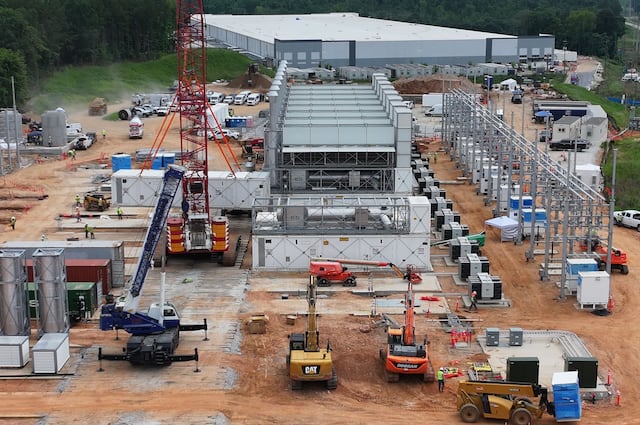
Environmental groups are accusing a data center developer and its power provider in Covington, Georgia, of jumping the gun on construction by installing dozens of natural gas and diesel generators without final air quality permits, sparking a dispute over regulatory compliance amid the state’s booming data center industry that is driving massive energy demands for advanced computing.
Sources
- https://www.ajc.com/business/2026/07/georgias-first-data-center-pop-up-power-plant-is-breaking-rules-groups-say/
- https://www.selc.org/press-release/groups-alert-georgia-regulators-to-unpermitted-construction-of-pop-up-power-plant-data-center/
- https://www.atlantanewsfirst.com/2026/07/02/advocacy-groups-say-covington-data-center-power-plant-are-building-without-proper-permits/
Key Takeaways
- Companies VoltaGrid and Serverfarm installed multiple engines for a 90-megawatt natural gas power plant and data center backup generators before securing final preconstruction air permits, according to environmental advocates citing Georgia’s Clean Air Act requirements and state implementation plans.
- The off-grid “pop-up” power setup aims to bypass traditional utility delays to meet surging electricity needs for data centers, highlighting tensions between rapid tech infrastructure growth and layered permitting processes near residential areas.
- Local groups and attorneys are pressing regulators for immediate stop-work orders and penalties, while developers maintain operations will comply once approvals are finalized, underscoring broader challenges in balancing innovation with bureaucratic oversight in Georgia’s data center surge.
In-Depth
In Covington, Georgia, the rapid expansion of data centers essential for powering artificial intelligence and digital infrastructure is clashing with environmental activists who claim developers are skirting rules. A Houston-based firm, VoltaGrid, is building a 90-megawatt natural gas-powered facility with 33 engines to supply dedicated electricity to an adjacent Serverfarm data center, avoiding reliance on Georgia Power amid record demand. This innovative off-grid approach reflects the private sector’s drive to deliver reliable energy quickly rather than waiting on slow-moving utilities and regulators burdened by endless red tape.
Environmental organizations, including local nonprofits and legal advocates, fired off a letter demanding investigations and enforcement, pointing to aerial photos showing generators already under assembly without finalized permits. They invoke the Clean Air Act and state plans requiring preconstruction approvals, warning of potential pollution near homes, a reservoir, and preserves. Yet these same voices often prioritize obstruction over practical solutions, ignoring how data centers fuel economic growth, create jobs, and generate tax revenue that benefits communities far more than activist lawsuits. Georgia leads the nation in data center development precisely because it attracts investment through pro-business policies, not by caving to every complaint about hypothetical risks.
Critics decry the haste, but the reality is that America’s technological edge depends on abundant, affordable energy. Natural gas provides a reliable bridge as demand from AI and cloud computing skyrockets, outpacing outdated grid infrastructure hampered by prior green mandates and regulatory paralysis. Developers insist no operations will begin without permits, and public input has already shaped the process. Forcing costly delays or shutdowns would punish initiative and hand advantages to competitors in less regulated states or abroad, ultimately hurting American workers and consumers who rely on these facilities for everything from streaming to national security applications.
This episode exposes the left’s regulatory stranglehold that treats job-creating projects as environmental villains while America competes globally. Conservatives recognize the need for smart stewardship, but not at the expense of progress. Georgia officials should swiftly resolve the matter to ensure compliance without derailing vital infrastructure. Empowering energy production over endless paperwork will keep the state competitive, deliver real environmental benefits through modern efficient tech, and support the prosperity that comes from embracing innovation instead of fearing it. The data center boom is transforming Georgia for the better—bureaucratic roadblocks should not stand in the way of that future.