

Close Menu

    Subscribe to Updates

    Get the latest creative news from FooBar about art, design and business.

    What's Hot

    Airbnb Shifts One-Third Of Customer Support To AI In North America

    February 17, 2026

    Meta Plans Facial Recognition for Smart Glasses Amid Privacy Pushback

    February 17, 2026

    Spotify Developers Haven’t Written Code Since December Thanks to AI Transformation

    February 16, 2026
    Facebook X (Twitter) Instagram
    • Tech
    • AI News
    • Get In Touch
    Facebook X (Twitter) LinkedIn
    TallwireTallwire
    • Tech

      Meta Plans Facial Recognition for Smart Glasses Amid Privacy Pushback

      February 17, 2026

      Spotify Developers Haven’t Written Code Since December Thanks to AI Transformation

      February 16, 2026

      Waymo Goes Fully Autonomous in Nashville, Tennessee

      February 16, 2026

      Roku Plans Streaming Bundles Push to Boost Profitability in 2026

      February 15, 2026

      Russia Officially Blocks WhatsApp After Telegram Crackdown

      February 15, 2026
    • AI News

      Meta Plans Facial Recognition for Smart Glasses Amid Privacy Pushback

      February 17, 2026

      Airbnb Shifts One-Third Of Customer Support To AI In North America

      February 17, 2026

      Spotify Developers Haven’t Written Code Since December Thanks to AI Transformation

      February 16, 2026

      Australia Puts Roblox on Notice Amid Reports of Child Grooming and Harmful Content

      February 16, 2026

      UK Kids Turning to AI Chatbots and Acting on Advice at Alarming Rates

      February 16, 2026
    • Security

      US Lawmakers Urge Tighter Export Controls to Curb China’s Access to Chipmaking Equipment

      February 16, 2026

      Senator Raises Questions On eSafety Crackdown And Potential Strain On US-Australia Relationship

      February 16, 2026

      AI Safety Researcher Resigns, Warns ‘World Is in Peril’ Amid Broader Industry Concerns

      February 15, 2026

      Microsoft Warns Hackers Are Exploiting Critical Zero-Day Bugs Targeting Windows, Office Users

      February 15, 2026

      Microsoft Exchange Online’s Aggressive Filters Mistake Legitimate Emails for Phishing

      February 13, 2026
    • Health

      UK Kids Turning to AI Chatbots and Acting on Advice at Alarming Rates

      February 16, 2026

      Landmark California Trial Sees YouTube Defend Itself, Rejects ‘Social Media’ and Addiction Claims

      February 16, 2026

      Instagram Top Executive Says ‘Addiction’ Doesn’t Exist in Landmark Social Media Trial

      February 15, 2026

      Amazon Pharmacy Rolls Out Same-Day Prescription Delivery To 4,500 U.S. Cities

      February 14, 2026

      AI Advances Aim to Bridge Labor Gaps in Rare Disease Treatment

      February 12, 2026
    • Science

      XAI Publicly Unveils Elon Musk’s Interplanetary AI Vision In Rare All-Hands Release

      February 14, 2026

      Elon Musk Shifts SpaceX Priority From Mars Colonization to Building a Moon City

      February 14, 2026

      NASA Artemis II Spacesuit Mobility Concerns Ahead Of Historic Mission

      February 13, 2026

      AI Agents Build Their Own MMO Playground After Moltbook Ignites Agent-Only Web Communities

      February 12, 2026

      AI Advances Aim to Bridge Labor Gaps in Rare Disease Treatment

      February 12, 2026
    • People

      Google Co-Founder’s Epstein Contacts Reignite Scrutiny of Elite Tech Circles

      February 7, 2026

      Bill Gates Denies “Absolutely Absurd” Claims in Newly Released Epstein Files

      February 6, 2026

      Informant Claims Epstein Employed Personal Hacker With Zero-Day Skills

      February 5, 2026

      Starlink Becomes Critical Internet Lifeline Amid Iran Protest Crackdown

      January 25, 2026

      Musk Pledges to Open-Source X’s Recommendation Algorithm, Promising Transparency

      January 21, 2026
    TallwireTallwire
    Home»Tech»Musicians Decry AI-Generated Clone Tracks Flooding Streaming Services As Industry Tensions Escalate
    Tech

    Musicians Decry AI-Generated Clone Tracks Flooding Streaming Services As Industry Tensions Escalate

    4 Mins Read
    Facebook Twitter Pinterest LinkedIn Tumblr Email
    Musicians Decry AI-Generated Clone Tracks Flooding Streaming Services As Industry Tensions Escalate
    Musicians Decry AI-Generated Clone Tracks Flooding Streaming Services As Industry Tensions Escalate
    Share
    Facebook Twitter LinkedIn Pinterest Email

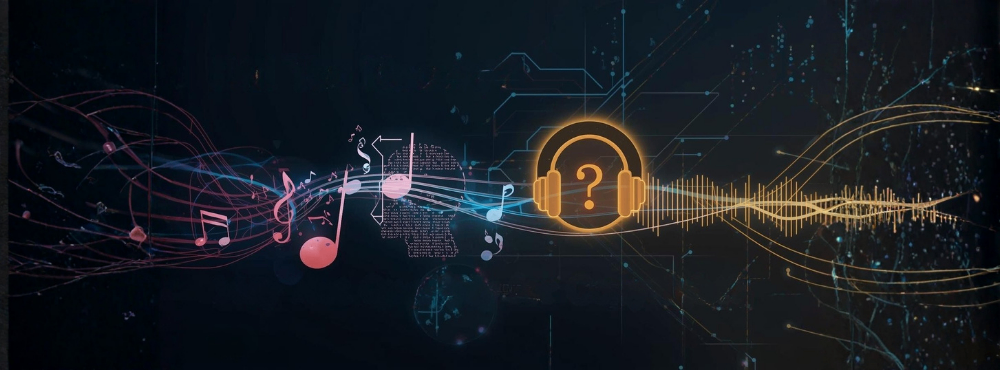
    Musicians and industry figures are publicly blasting the surge of AI-generated “clone” tracks that impersonate real artists and show up on major streaming platforms without consent, calling the situation “total bullshit,” “a mess,” and “shameless,” as fake songs attributed to artists like Beyoncé and King Gizzard and the Lizard Wizard proliferate, highlighting broader concerns about intellectual property, artist rights, and streaming platform accountability in the age of generative AI.

    Sources: The Guardian, Pitchfork

    Key Takeaways

    – Musicians across genres are increasingly frustrated as AI-generated tracks that mimic real artists’ voices and styles appear on streaming services without authorization.

    – High-profile incidents, including AI impersonations on Spotify, have led to removal of fraudulent content but raise deeper questions about platform policies and enforcement.

    – The outcry reflects a wider debate in the music world over how to balance emerging AI technologies with protecting artist rights, income streams, and creative integrity.

    In-Depth

    The music industry is confronting a new front in its battle with artificial intelligence as a wave of AI-generated fake tracks attributed to real artists floods major streaming services, spawning sharp criticism and deep concerns about creative ownership, platform responsibility, and the future of human artistry. The Verge recently detailed how musicians and industry professionals are openly condemning what they call “AI clone bullshit,” pointing to examples of unauthorized AI tracks appearing under the names of established artists such as Beyoncé, William Basinski, and experimental acts like King Gizzard and the Lizard Wizard. These tracks often slip onto platforms like Spotify and Deezer through third-party distributors, sometimes gaining traction before being taken down, leaving artists frustrated and alarmed at how easily deepfake music can spread. Critics decry the impersonations as not only misleading to listeners but as a direct threat to the livelihoods and intellectual property of recording artists.

    One of the most prominent examples fueling this backlash is the recent AI-generated impersonator of King Gizzard and the Lizard Wizard that appeared on Spotify, prompting the band’s frontman to describe the situation in bleak terms, lamenting the challenges that artists face in defending their work in an era where synthetic audio can be generated and distributed at scale. While Spotify and other platforms have policies aimed at removing fraudulent content, the sheer volume of AI-generated tracks complicates enforcement and underscores how current systems were not designed with synthetic media in mind. Critics argue that this points to a broader need for clearer policies and industry standards to differentiate between human-created works and AI-generated imitations, as well as mechanisms to ensure artists are not misattributed or unfairly competed against by machines.

    Beyond individual incidents, the debate over AI in music reflects a larger conversation within the industry about how to integrate technological innovation without eroding the value of human creativity. Some artists and advocates are pushing for regulatory frameworks and industry reforms that would require streaming services to disclose AI-generated content or even restrict its inclusion alongside authentic work, in order to preserve the integrity of artistic expression. Others worry that without such measures, AI could undermine traditional revenue streams and dilute the uniqueness that listeners expect from their favorite musicians.

    As this friction continues to build, the music world is grappling with questions that extend far beyond novelty tracks or unauthorized uploads: How should platforms balance openness and security? What rights do artists retain when algorithms can mimic their sound? And, ultimately, can legal and technological safeguards be developed that protect creators while still allowing for responsible innovation? The growing chorus of discontent from musicians suggests that the industry’s reckoning with AI is only just beginning, and the outcome will shape the relationship between technology and art for years to come.

    Share. Facebook Twitter Pinterest LinkedIn Tumblr Email
    Previous ArticleMushroom-Chips Breakthrough: Fungi Enter the Race for Memory Hardware
    Next Article Musk’s xAI Moves to Build Modest Solar Farm at Colossus Data Center

    Related Posts

    Meta Plans Facial Recognition for Smart Glasses Amid Privacy Pushback

    February 17, 2026

    Spotify Developers Haven’t Written Code Since December Thanks to AI Transformation

    February 16, 2026

    Waymo Goes Fully Autonomous in Nashville, Tennessee

    February 16, 2026

    Roku Plans Streaming Bundles Push to Boost Profitability in 2026

    February 15, 2026
    Add A Comment
    Leave A Reply Cancel Reply

    Editors Picks

    Meta Plans Facial Recognition for Smart Glasses Amid Privacy Pushback

    February 17, 2026

    Spotify Developers Haven’t Written Code Since December Thanks to AI Transformation

    February 16, 2026

    Waymo Goes Fully Autonomous in Nashville, Tennessee

    February 16, 2026

    Roku Plans Streaming Bundles Push to Boost Profitability in 2026

    February 15, 2026
    Top Reviews
    Tallwire
    Facebook X (Twitter) LinkedIn Threads Instagram RSS
    • Tech
    • Entertainment
    • Business
    • Government
    • Academia
    • Transportation
    • Legal
    • Press Kit
    © 2026 Tallwire. Optimized by ARMOUR Digital Marketing Agency.

    Type above and press Enter to search. Press Esc to cancel.