

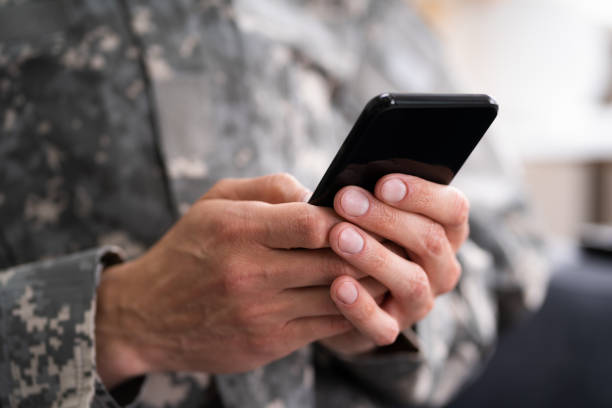
The Pentagon has reportedly confirmed that U.S. military personnel deployed in active war zones are being targeted and surveilled through commercially available cellphone location data, exposing a dangerous vulnerability that critics argue Washington ignored for years. According to communications from U.S. Central Command, adversaries have exploited data harvested from smartphones and sold through the sprawling advertising and data-broker ecosystem to monitor troop movements, identify gathering points, and establish operational patterns. Lawmakers from both parties are now demanding answers, warning that the same technology companies and advertising networks that profit from tracking everyday Americans have inadvertently created a battlefield intelligence tool for hostile foreign actors. The revelations have intensified concerns that government officials failed to adequately protect service members despite years of warnings that commercially available location data could be weaponized against U.S. forces.
Sources
- https://www.reuters.com/business/media-telecom/pentagon-says-us-military-personnel-are-reportedly-being-targeted-using-location-2026-05-28
- https://www.wired.com/story/the-pentagon-knew-enemies-could-track-troops-phones-for-years-now-they-are
- https://www.businessinsider.com/location-data-track-phone-users-putting-us-troops-at-risk-2026-5
- https://www.militarytimes.com/news/pentagon-congress/2026/05/28/us-troops-are-reportedly-being-targeted-using-location-data-pentagon-says
Key Takeaways
- Commercial cellphone location data collected by apps and sold through data brokers has reportedly been used by adversaries to surveil and potentially target U.S. military personnel in active operational theaters.
- Congressional lawmakers contend that the Pentagon has known about the threat for nearly a decade but failed to implement basic countermeasures quickly enough to protect troops and sensitive military operations.
- The controversy is fueling broader concerns that the largely unregulated data-harvesting practices of the technology and advertising industries now represent not only a privacy issue but also a significant national security threat.
In-Depth
For years, Americans were told that concerns about digital privacy amounted to little more than consumer inconvenience. The latest Pentagon disclosures suggest otherwise. What began as a business model built around harvesting personal information for advertising has evolved into a potential battlefield weapon capable of exposing U.S. troops to hostile surveillance and attack.
According to reports, military officials have received multiple warnings that adversaries are exploiting commercially available location data to track American personnel in operational theaters. That reality should alarm every American taxpayer. The same smartphone applications that monitor shopping habits, travel routines, and online behavior may also be creating detailed intelligence profiles that foreign governments, terrorist organizations, and hostile actors can purchase or obtain through intermediaries.
Even more troubling is the allegation that policymakers and military leaders have been aware of the vulnerability for years. Reports indicate that demonstrations dating back nearly a decade showed how commercially purchased data could reveal the movements of elite military units from domestic bases to overseas deployment locations. Yet meaningful safeguards reportedly lagged far behind the threat.
The episode serves as a stark reminder that national security vulnerabilities increasingly originate not from traditional espionage but from the unchecked appetite for personal data that has become central to the modern technology economy. When corporations collect, package, and sell vast quantities of behavioral information, the consequences extend far beyond targeted advertising. At some point, protecting Americans—including those serving in uniform—must take precedence over the profits generated by the surveillance-driven digital marketplace.