

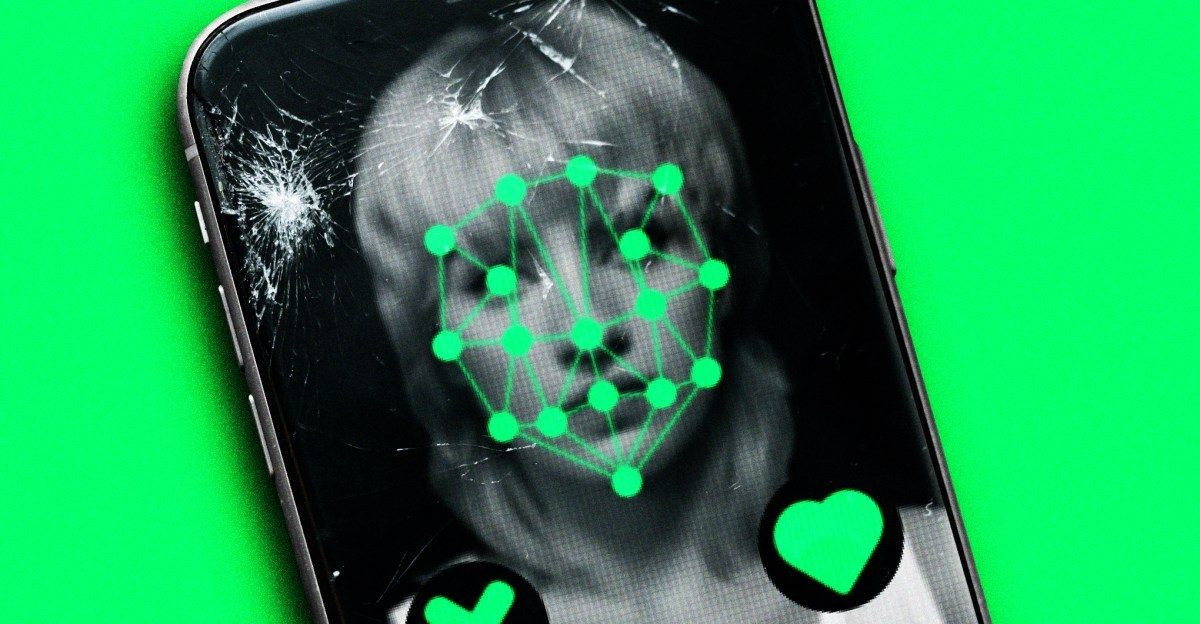
A recent investigation by The Verge highlights the growing prevalence of third-party services such as Cheaterbuster and CheatEye which leverage facial-recognition technology to search for individuals’ Tinder profiles using only a photo or name—effectively turning what users expected to be a private experience into searchable biometric data. According to the report, these tools enable users to upload a photo, pay a small fee, and locate someone’s dating profile while also revealing approximate location history or profile changes. Experts are warning this practice creates a “peer-to-peer surveillance” market with scant regulation, exposing people to identity misuse, privacy violations and even potential stalking. Meanwhile, dating apps themselves (including Tinder) are rolling out their own facial-verification measures—intended to combat bots and impersonation—raising further questions about how much biometric data is being collected, how it’s secured, and how it might be repurposed. The tensions between safety, privacy, and technology in the online-dating space are intensifying.
Key Takeaways
– Third-party “cheater-finder” apps transform dating-profile exploration into a biometric surveillance tool, using facial-recognition and image matching for profit.
– While dating platforms introduce biometric verification for safety (e.g., live selfie video checks), this simultaneously increases the size and sensitivity of collected biometric data and raises questions about how it might be used or misused.
– Regulatory frameworks in the U.S. remain weak and fragmented; these practices highlight the gap between innovation in consumer tech and the laws governing data-use, consent and surveillance.
In-Depth
The notion of finding a clandestine dating profile simply from someone’s photo may sound like something out of a techno-thriller—but at this moment, that scenario is becoming increasingly real. A recent article by The Verge lays out how services like Cheaterbuster and CheatEye operate: for a small fee, a user uploads a photo or inputs a name/age/location and the service will scan across dating-apps (including Tinder) and other public-facing platforms to show whether that individual is active, what their profile looks like, and sometimes even when and where they last logged in. According to the report, one test by 404 Media determined the tool correctly located Tinder profiles of consenting participants and in some cases displayed loosely inferred location data. (Source: The Verge piece)
What makes this especially troubling is the way it normalizes what experts call “vigilante surveillance.” The marketing around these apps frames them as righteous tools for uncovering infidelity, but the mechanics are rooted in scraping public web images and linking them via face-matching algorithms to profiles that users did not explicitly consent to being searchable. One privacy expert quoted in the story said: “What’s marketed as ‘cheater busting’ is really just a vigilante surveillance tool.” The concern is that such services exploit not just suspicion in relationships but systemic blind spots in how biometric data is harvested, indexed and repurposed.
Moreover, this is layered upon a broader trend among mainstream dating apps themselves increasingly using face-based verification. For example, Tinder (owned by the Match Group) recently rolled out a “Face Check” feature in California, requiring new users to take a short video selfie during onboarding; the system then verifies their face against profile photos and checks for duplicates across accounts or bots. The company says the video is deleted but an encrypted “face-map” is stored and used to detect future duplicate or fake accounts. The ambition is understandable—bots, impersonators and romance-scam accounts have been major headaches. But the consequence is that a massive new biometric data trove is being built inside the ecosystem of online dating.
From a conservative standpoint, there’s a clear tension: On one hand, dating apps have a legitimate responsibility to keep their platforms safe—that means verifying real users, reducing scams and impersonations, and protecting genuinely credible profiles. On the other hand, the rapid accumulation of biometric data—face maps, liveness checks, video selfies—raises serious privacy concerns that align with broader civil-liberties issues around surveillance, consent and corporate data-collection. When you combine that with third-party actors monetizing biometric search services, you create a surveillance economy aimed at relationships, identity and personal data.
What further complicates matters is the regulatory landscape. In the U.S., there is no federal law yet that specifically addresses biometric-face data in the broad consumer context (though some states, like Illinois via its Biometric Information Privacy Act, have stronger rules). These “cheater-finder” tools operate in a legal grey area: they may violate dating app terms of service or privacy norms, but enforcement is uncertain and many users remain unaware their images could be run through these matching engines. Meanwhile, dating apps’ internal use of biometrics may be covered under their own user agreements, but questions linger: Where is that encrypted face map stored? Who has access? What happens if there’s a breach? Could that data later be subpoenaed or used for purposes beyond safety verification?
For users of dating apps—as the average person might be—the risk is real. A photo you uploaded years ago, believing it would only appear within the profile, could show up in a searchable database you never consented to be part of. An ex-partner might upload your image and discover your hidden dating profile (or even fabricate one). Stalking, blackmail, doxxing—even job risk if a profile is revealed—become more plausible in a world where facial matching is cheap and mobile-first. Unlike email or phone number searches (which require direct inputs and may be opt-in), facial matching allows non-consensual linking of images across public and private data spheres. As one expert remarked: the mistake rate is non-trivial—facial-recognition accuracy may range from mid-90 percent under ideal conditions down to much lower under real-world imagery—and that introduces real consequences for misidentification.
What should a user do in this environment? First: assume that any photo you upload to an app could be used beyond its original intent—even if the platform promises deletion. Second: consider reducing the number of publicly visible profile photos, and limit use of identifiable photos that appear elsewhere (social media, public posts) so that cross-matching becomes harder. Third: review app-permissions, privacy settings and transparency frameworks—how does the app describe what happens to biometric scans, how long are they stored, who has access? Fourth: demand stronger regulation. From a policy-perspective, lawmakers ought to treat biometric face-data as a high-sensitivity category—akin to DNA or government ID—and restrict third-party access, mandate explicit opt-in, require robust breach notifications and usher in clear deletion policies.
Politically, it’s worth noting that surveillance technologies tend to expand over time—what starts as a tool for safety (verifying a dating profile is real) may become a tool for profiling, tracking, identity-aggregation or worse. Conservative values often emphasize individual privacy, personal responsibility and limited government/company intrusion into private lives; this situation touches all three. If any one entity holds a large biometric dataset with weak oversight, the potential for misuse, mission creep or data-leak damage is very real. At the same time, we have to acknowledge dating-platform firms are under competitive pressure to improve trust and safety metrics—which means they’ll keep innovating. The question is not whether the technology advances, but whether data governance keeps pace.
In short: the story of “catch-a-cheater” apps is more than just about suspected infidelity or viral TikTok demos. It’s a canary in the coal-mine for biometric surveillance in everyday consumer apps—especially those around relationships, identity and personal connection. What begins as a tool to find a suspicious partner ends up looking like a mass-market facial-recognition engine built on scraped images, monetized suspicion, and leftover user footprints. For users, the takeaway is to assume your images never fully vanish, your privacy expectations must adjust, and your data footprint in the dating ecosystem might be larger than you think.
In the months ahead, watch for: policy debates in state legislatures (e.g., biometric-privacy bills), enforcement actions against apps scraping dating-profiles, and public-relations backlashes against companies that hold large face-maps without transparent governance. If you care about preserving your privacy, this is one of those sneaky frontlines where technology, relationships and personal data intersect—and it pays to stay informed and cautious.