

Close Menu

    Subscribe to Updates

    Get the latest creative news from FooBar about art, design and business.

    What's Hot

    DeSantis Pushes Aggressive State AI Regulation With AI Bill of Rights and Data Center Limits

    February 9, 2026

    Lawmakers, Parents Renew Push To Sunset Section 230 And Make Big Tech Liable

    February 9, 2026

    Slovenia Proposes Ban On Social Media For Under-15s Amid Growing Global Push

    February 8, 2026
    Facebook X (Twitter) Instagram
    • Tech
    • AI News
    • Get In Touch
    Facebook X (Twitter) LinkedIn
    TallwireTallwire
    • Tech

      Lawmakers, Parents Renew Push To Sunset Section 230 And Make Big Tech Liable

      February 9, 2026

      NASA Clears Smartphones for Artemis Moon Mission

      February 7, 2026

      SpaceX Acquires xAI in Record-Setting Merger, Pivots Toward Space-Based AI Data Centers

      February 7, 2026

      Iran’s Government Blackout of the Internet Amid Protests Stifles Communication and Masks Violence

      February 6, 2026

      Israeli Aerospace Startup Unveils Heavy-Lift Cargo Drone at Singapore Airshow

      February 6, 2026
    • AI News

      DeSantis Pushes Aggressive State AI Regulation With AI Bill of Rights and Data Center Limits

      February 9, 2026

      EU Drove Global Censorship Through Tech Platforms: House Judiciary Report

      February 8, 2026

      China’s Porn Spam Tactic on X Draws Red Flags Over Digital Censorship

      February 8, 2026

      Amazon Begins Closed Beta Testing of AI Tools to Reshape Film and TV Production

      February 8, 2026

      European University Offline for Days After Major Cyberattack Disrupts Systems

      February 7, 2026
    • Security

      EU Drove Global Censorship Through Tech Platforms: House Judiciary Report

      February 8, 2026

      Slovenia Proposes Ban On Social Media For Under-15s Amid Growing Global Push

      February 8, 2026

      NSW Moves to Make Employers Liable for AI and Digital System Harms Under Work Safety Law

      February 8, 2026

      Hackers Dump Millions of Harvard and UPenn Records After Refused Ransom Demands

      February 8, 2026

      European University Offline for Days After Major Cyberattack Disrupts Systems

      February 7, 2026
    • Health

      AI Technology Offers Early Warning System for Deadly Coral Bleaching

      February 6, 2026

      Israel’s New Soreq B Desalination Plant Reaches Full Operational Capacity Boosting Water Supply

      February 3, 2026

      Institutions Are Missing AI’s Potential For Drug Discovery, Experts Say

      February 2, 2026

      Landmark Legal Battles Ignite Over Alleged Social Media Addiction Impacting Youth and Schools

      February 1, 2026

      OpenAI Deploys Free AI-Powered Scientific Workspace Prism to Reshape Research

      January 31, 2026
    • Science

      Pacific Fusion Advances Cheaper Path to Fusion Through Sandia Reactor Experiments

      February 8, 2026

      Trump’s Critical Minerals Reserve Signals U.S. Adapts to Electric Future Amid China Competition

      February 7, 2026

      NASA Clears Smartphones for Artemis Moon Mission

      February 7, 2026

      Elon Musk Pushes Forward With Orbital Data Center Ambitions

      February 7, 2026

      AI Technology Offers Early Warning System for Deadly Coral Bleaching

      February 6, 2026
    • People

      Google Co-Founder’s Epstein Contacts Reignite Scrutiny of Elite Tech Circles

      February 7, 2026

      Bill Gates Denies “Absolutely Absurd” Claims in Newly Released Epstein Files

      February 6, 2026

      Informant Claims Epstein Employed Personal Hacker With Zero-Day Skills

      February 5, 2026

      Starlink Becomes Critical Internet Lifeline Amid Iran Protest Crackdown

      January 25, 2026

      Musk Pledges to Open-Source X’s Recommendation Algorithm, Promising Transparency

      January 21, 2026
    TallwireTallwire
    Home»Tech»Uber Sees More Human Drivers, Not Fewer, Despite Rise of Self-Driving Cars
    Tech

    Uber Sees More Human Drivers, Not Fewer, Despite Rise of Self-Driving Cars

    5 Mins Read
    Facebook Twitter Pinterest LinkedIn Tumblr Email
    DOJ Sues Uber, Alleges Widespread Discrimination vs. Riders with Disabilities
    DOJ Sues Uber, Alleges Widespread Discrimination vs. Riders with Disabilities
    Share
    Facebook Twitter LinkedIn Pinterest Email

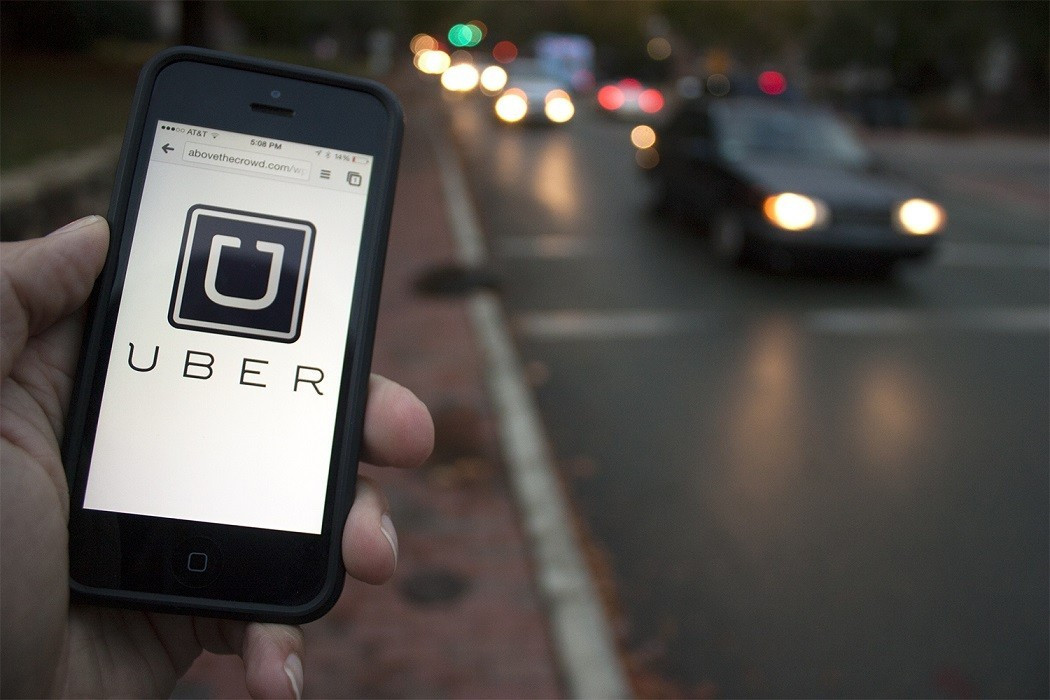
    Uber Technologies Inc. is making waves with a somewhat counter-intuitive forecast: even as autonomous vehicles (AVs) inch into its network, the company expects the number of human drivers to actually go up—at least in the near term. At the recent World Economy Summit, Uber’s head of autonomous mobility and delivery, Sarfraz Maredia, stated that as AVs gradually enter the fleet, the company will still rely on conventional drivers to cover expanding markets and unpredictable demand spikes. According to Maredia, AVs will augment rather than replace human drivers because of the need to avoid idle fleets of automated vehicles during off-peak hours, thereby ensuring smoother service and flexible capacity. Simultaneously, Uber has launched a pilot programme in the U.S. called “Digital Tasks,” allowing its driver and courier base to earn extra income by doing micro-jobs such as uploading photos, recording voice clips or submitting documents—tasks that train AI models even as independence from driving starts to grow. This shift reflects a wider balancing act for Uber: it is building towards a future of automation while continuing to leverage its human driver network today. The article “Uber predicts more human drivers with autonomous cars” (Semafor) emphasises that rather than cutting back drivers, Uber sees growth in its traditional driver network as it expands into new cities and delivery lines, even as the AV rollout continues apace.

    Sources: Forbes, Semafor

    Key Takeaways

     – Uber projects growth in its human-driver workforce even as it deploys autonomous vehicles, due to rising markets, demand spikes and the need for flexibility.

    – Uber is offering drivers and couriers supplementary “digital task” work through its app—uploading photos, recording audio, submitting documents—to earn when they are offline, positioning them within the AI-training ecosystem.

    – While automation remains a long-term goal, Uber acknowledges that a hybrid model (humans + AVs) will prevail for many years; full replacement of human drivers remains distant and contingent on regulation, cost and technology.

    In-Depth

    The headline may sound paradoxical: why would a company investing heavily in self-driving vehicles say it expects more drivers, not fewer? But when you unpack the logic of Uber Technologies Inc.’s strategy, it makes practical sense from a conservative standpoint. At the World Economy Summit, Uber’s autonomous mobility lead, Sarfraz Maredia, explained that while AVs will be added to the roster, human drivers remain central because of service dynamics: new markets still require human-operated vehicles, demand fluctuates—so you don’t want a large fleet of AVs sitting idle when demand drops. By combining human drivers and automated vehicles, Uber can smooth peaks and valleys, cover unpredictable trips, and avoid excessive idle capital.

    From Uber’s viewpoint, this approach reflects risk-averse realism: autonomous technology is promising, but infrastructure, regulation, public acceptance and cost remain hurdles. Human drivers fill gaps, cover fringe areas, or step in during complex situations that AVs cannot yet handle seamlessly. In other words, automation is augmentation, not replacement—at least for now. Uber’s official stance, voiced by CEO Dara Khosrowshahi, is that “we will operate a hybrid network” of human drivers and AVs for at least the next decade.

    On another front, Uber is evolving its earnings model for drivers. The “Digital Tasks” pilot in the U.S.—on top of prior testing in India—lets drivers and delivery couriers earn money by doing quick, optional digital jobs such as uploading menus, capturing photos, recording voice samples, or submitting documents. Uber frames this as giving drivers more ways to earn during downtime, but conservatives will view this as a strategic move: leveraging the human fleet not just for driving, but for supporting AI development, keeping drivers engaged while the automation wave develops. Uber claims the tasks are optional, pay in minutes, and appear in the driver app’s “Work Hub.” Some drivers may welcome this flexibility; others may see it as signalling that their core role is shifting.

    From a broader labour perspective, this signals that while full driver replacement is not immediate, the nature of driving work is evolving. Drivers may increasingly be pulled into side-tasks that train the very systems intended to substitute them. Conservative voices might flag this as a caution: the gig economy is morphing, and while Uber projects driver growth now, the long-term trajectory still points toward automation dominance. The company’s narrative of growth may ease short-term anxieties, but for drivers who look a decade ahead, the message is clear: maintain flexibility, build transferable skills, and recognize that the driving role may morph or shrink over time.

    In the policy sphere, Uber’s stance complicates simplistic predictions of job loss. They are saying: yes to automation, but we’ll still need humans as we scale. This gives regulators a more manageable transition window, but also raises questions: will human drivers simply be phased into ancillary roles, will income for driving diminish as competition from AVs grows, and will digital-task work earn comparably? For a conservative reader, these questions warrant close watching.

    In short: Uber may be telling drivers “don’t worry, we’re hiring more” today—but it is also laying groundwork for a future in which their role is significantly different. The hybrid network is a bridge strategy. The bridge may hold for years, but the destination remains automation. Conservative commentary would caution that the optimism of “more drivers” should not mask underlying structural changes in livelihoods and the ride-hailing business model.

    Share. Facebook Twitter Pinterest LinkedIn Tumblr Email
    Previous ArticleUAE Telecom Giant Launches Cloud Bitcoin Mining Service for Residents
    Next Article Uber Takes on Waymo with Its Own Robotaxi Roll-out in San Francisco

    Related Posts

    Lawmakers, Parents Renew Push To Sunset Section 230 And Make Big Tech Liable

    February 9, 2026

    NASA Clears Smartphones for Artemis Moon Mission

    February 7, 2026

    SpaceX Acquires xAI in Record-Setting Merger, Pivots Toward Space-Based AI Data Centers

    February 7, 2026

    Iran’s Government Blackout of the Internet Amid Protests Stifles Communication and Masks Violence

    February 6, 2026
    Add A Comment
    Leave A Reply Cancel Reply

    Editors Picks

    Lawmakers, Parents Renew Push To Sunset Section 230 And Make Big Tech Liable

    February 9, 2026

    NASA Clears Smartphones for Artemis Moon Mission

    February 7, 2026

    SpaceX Acquires xAI in Record-Setting Merger, Pivots Toward Space-Based AI Data Centers

    February 7, 2026

    Iran’s Government Blackout of the Internet Amid Protests Stifles Communication and Masks Violence

    February 6, 2026
    Top Reviews
    Tallwire
    Facebook X (Twitter) LinkedIn Threads Instagram RSS
    • Tech
    • Entertainment
    • Business
    • Government
    • Academia
    • Transportation
    • Legal
    • Press Kit
    © 2026 Tallwire. Optimized by ARMOUR Digital Marketing Agency.

    Type above and press Enter to search. Press Esc to cancel.