

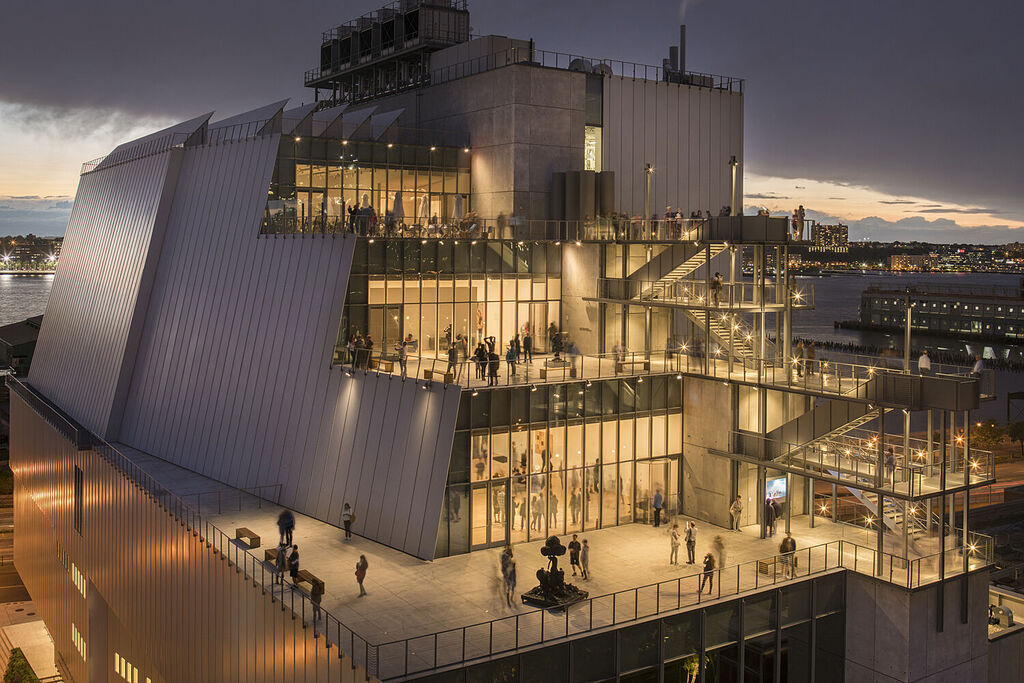
• The Whitney Museum’s artport exhibition showcases 25 years of internet-based art, featuring more than 100 commissioned works exploring technology, creativity and digital culture.
• Curator Christiane Paul highlights the evolution of digital art from early computer programming and interactive projects to artificial intelligence, surveillance and online identity.
• The exhibition raises broader questions about artistic originality, technological dependence and the preservation of human creativity as artificial intelligence becomes increasingly influential.
The Whitney Museum of Art is celebrating 25 years of internet art with an exhibition tracing how digital technology has transformed artistic expression. “artport: A History of Internet Art,” which opened Nov. 21 in New York, features more than 100 works commissioned through the museum’s platform since 2001. Running through March 28, 2027, the exhibition brings web-based creations into a sixth-floor gallery designed to resemble floating browser windows. Curator Christiane Paul organized the presentation with David Lisbon and Colin Brooks.
The collection spans early experiments in computer code, interactive storytelling and data visualization through contemporary projects involving artificial intelligence. Featured works include Golan Levin’s updated “The Dumpster,” examining online accounts of teenage relationships, and Stephanie Rothenberg’s “Outlook: Untitled,” which satirizes digital advertising and economic uncertainty. Visitors also encounter projects investigating surveillance, privacy and identity. The retrospective demonstrates how internet art has evolved alongside technologies shaping American culture and everyday life.
Why It Matters
The Whitney exhibition underscores a growing challenge for cultural institutions: preserving creative work built on technologies that rapidly become obsolete. Updating older projects for modern browsers demonstrates that digital art requires ongoing maintenance, not simply storage. Museums must decide how to protect original artistic intentions while keeping interactive experiences accessible to future audiences.
The exhibition also arrives as artificial intelligence raises questions about authorship, originality and human judgment. Computer-generated imagery may expand artistic possibilities, but technological novelty alone does not establish cultural merit. The ability to distinguish deliberate creativity from automated output remains particularly essential for artists, curators and audiences alike.
By examining privacy, surveillance and online identity, these works also highlight consequences of increasingly centralized digital systems. The retrospective offers an opportunity to assess technological progress without assuming every innovation represents improvement. Preserving artistic independence, historical context and individual expression should remain priorities as museums embrace the digital age.
Sources
• https://www.nytimes.com/2026/11/25/arts/design/artport-whitney-museum-digital-art-ai-paul.html
• https://whitney.org/exhibitions/artport-25
• https://art.cmu.edu/news/faculty-news/whitney-museum-internet-art-golan-levin/
• https://arts-sciences.buffalo.edu/art/news-events/news/2026/artport-whitney-rothenberg.html