

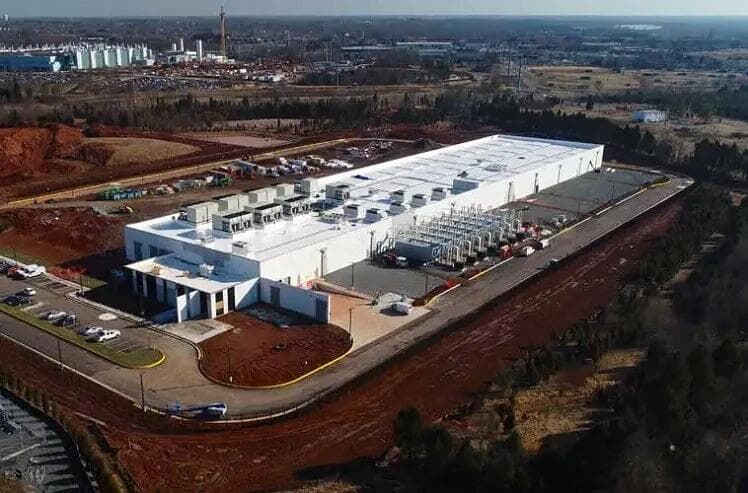
The proposed Prince William Digital Gateway in Virginia, billed as the world’s largest planned data center campus, has suffered a potentially fatal setback after Blackstone-owned QTS unexpectedly abandoned the project. The withdrawal follows months of legal battles, zoning disputes, public opposition, and an earlier exit by Compass Datacenters, leaving the massive development without two of its largest intended participants. The decision underscores growing resistance to large-scale AI infrastructure projects as communities increasingly object to concerns over power consumption, water usage, environmental impacts, and quality-of-life issues. While demand for artificial intelligence computing continues to surge, the collapse of one of the industry’s most ambitious developments illustrates that regulatory hurdles and local opposition—not merely capital—may become the defining constraint on America’s AI infrastructure expansion. Critics argue that policymakers should balance technological advancement with protecting taxpayers and local communities from projects that impose significant infrastructure burdens while primarily benefiting large technology firms.
Sources
- https://www.zerohedge.com/technology/worlds-largest-data-center-campus-verge-collapse-after-blackstone-unexpectedly-pulls-out
- https://www.ft.com/content/671fbc14-9cc5-4177-932b-b96ae32cb7d3
- https://heatmap.news/politics/local-opposition-data-center-cancellations
Key Takeaways
- Blackstone’s exit significantly undermines the viability of what had been planned as the world’s largest data center campus, following the earlier withdrawal of another major developer.
- Local resistance to massive AI infrastructure projects has become a major obstacle nationwide, with environmental, utility cost, and land-use concerns increasingly delaying or canceling developments.
- The AI industry‘s enormous appetite for computing capacity now faces political, regulatory, and community barriers that may prove just as challenging as financing or technology.
In-Depth
Blackstone’s decision to pull its QTS subsidiary from Virginia’s Prince William Digital Gateway represents far more than the cancellation of another real estate development. It signals that America’s AI infrastructure boom is encountering growing resistance from communities unwilling to absorb the costs associated with hyperscale data centers. What was envisioned as the world’s largest data center campus had already weathered years of contentious zoning hearings, lawsuits, and political controversy before losing two cornerstone developers in rapid succession.
The timing is particularly notable because demand for AI computing power remains exceptionally strong. Major technology companies continue announcing multibillion-dollar investments in artificial intelligence, yet increasingly face opposition from residents concerned about electricity demand, water consumption, noise, and the transformation of rural communities into industrial technology corridors. Across the country, organized grassroots campaigns have become more sophisticated and successful in challenging large developments before construction even begins.
From a conservative perspective, the controversy highlights an uncomfortable reality for policymakers. Economic development remains important, but taxpayers and local communities should not be expected to shoulder infrastructure burdens or surrender local control simply because large corporations promise investment. Responsible growth requires transparency, market discipline, and respect for property owners rather than top-down pressure to approve every high-profile project.
The Virginia project’s apparent collapse demonstrates that even enormous financial resources cannot overcome sustained public opposition and regulatory uncertainty. As America races to maintain technological leadership in artificial intelligence, developers and government officials alike may need to rethink how these massive facilities are planned, financed, and integrated into the communities expected to host them.