

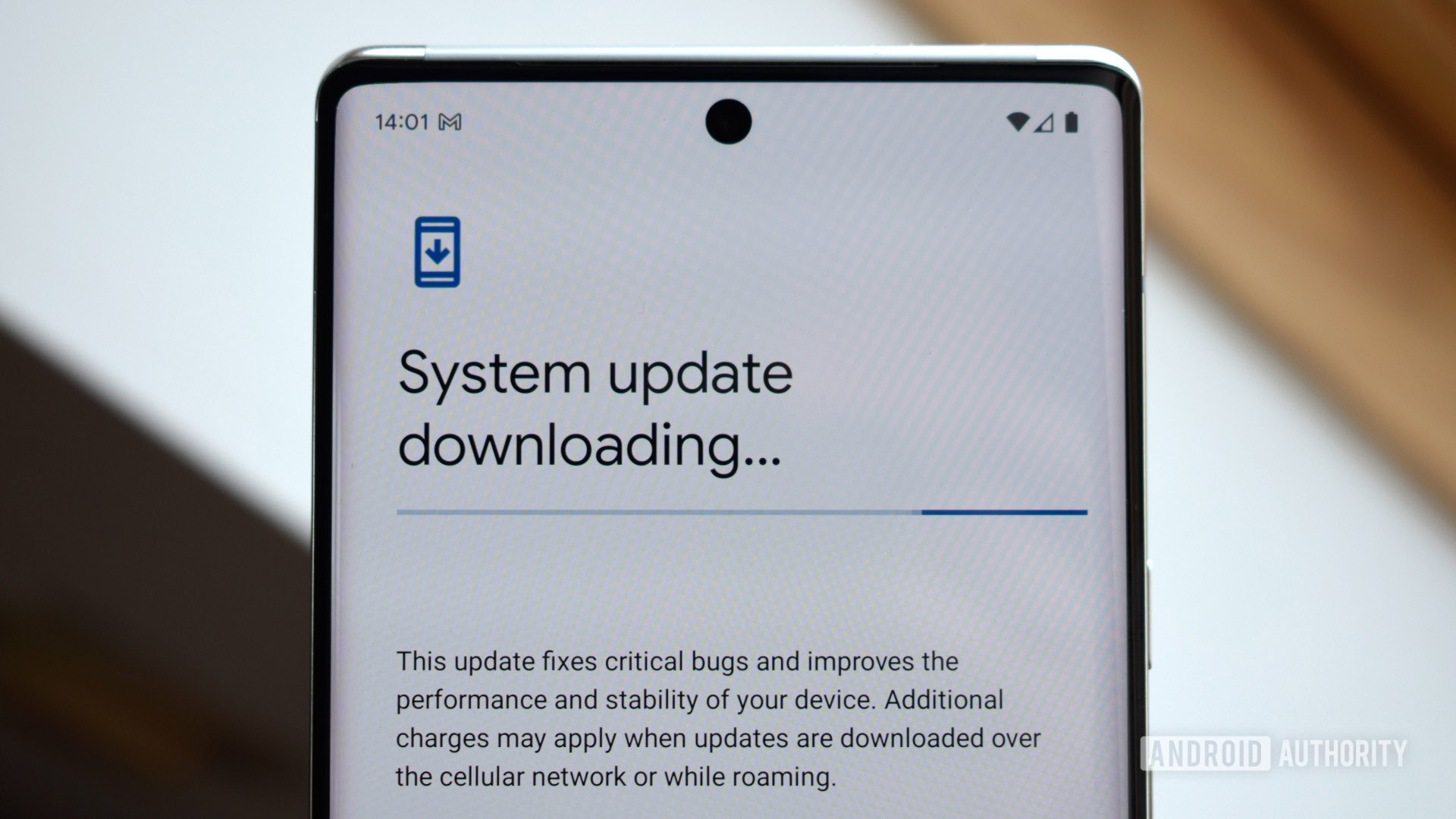
A growing wave of frustration is sweeping through Android users after a recent update triggered severe battery drain issues across multiple devices, particularly within the Pixel lineup, raising fresh concerns about software reliability and quality control in modern mobile ecosystems. Reports indicate that phones are losing charge rapidly—even while idle or in airplane mode—with some users experiencing overheating and significantly reduced battery life, prompting speculation that background processes or CPU mismanagement are to blame. Thousands of affected users have taken to forums and issue trackers to voice complaints, while Google has acknowledged the issue but admits it lacks sufficient diagnostic data to pinpoint the exact cause, leaving consumers stuck with degraded performance and no immediate fix in sight.
Sources
https://nypost.com/2026/04/22/tech/android-users-see-severe-battery-drain-after-latest-update/
https://www.androidcentral.com/phones/google-pixel/pixel-phones-are-seeing-unusual-battery-drain-after-the-april-2026-update
https://www.androidcentral.com/apps-software/android-os/android-17-qpr1-beta-1-released
Key Takeaways
- The April 2026 Android update has caused widespread battery drain issues across multiple Pixel devices, with some users reporting dramatic declines in battery life even during inactivity.
- Evidence suggests the problem may stem from background CPU activity preventing devices from entering low-power states, though no confirmed root cause has been established.
- Google has acknowledged the issue and is investigating, but has yet to provide a fix or timeline, continuing a pattern of recurring battery-related problems in recent updates.
In-Depth
The latest Android update has once again exposed a persistent weakness in the modern smartphone ecosystem: the growing gap between rapid software deployment and dependable real-world performance. What should have been a routine update instead triggered widespread reports of severe battery drain, leaving users with devices that struggle to last a full day under normal use. In some cases, the situation is even more troubling, with phones losing power rapidly while idle—suggesting that something deeper in the system is malfunctioning.
At the center of the issue appears to be abnormal background activity, with early indications pointing toward the CPU failing to enter proper low-power states. When a device cannot “rest” efficiently, it continues to consume energy at a higher rate, leading to overheating and accelerated battery depletion. This kind of flaw cuts directly against the promise of modern smartphones, which are marketed as increasingly efficient despite their growing power demands.
What stands out is not just the technical failure, but the scale and recurrence of the problem. Thousands of users have confirmed they are affected, and similar battery issues have surfaced in prior update cycles, raising questions about quality assurance processes and whether enough real-world testing is being conducted before updates are pushed to the public.
The response from Google—acknowledging the issue while requesting more user data—reflects a broader industry trend where consumers effectively become part of the debugging process. While that approach may accelerate development cycles, it also shifts the burden onto users, who are left dealing with degraded devices in the meantime.
Ultimately, this episode underscores a larger reality: as smartphones become more complex, even minor software missteps can have outsized consequences. Until companies prioritize stability with the same urgency as innovation, these kinds of disruptions are likely to remain a recurring feature of the mobile landscape rather than an exception.