

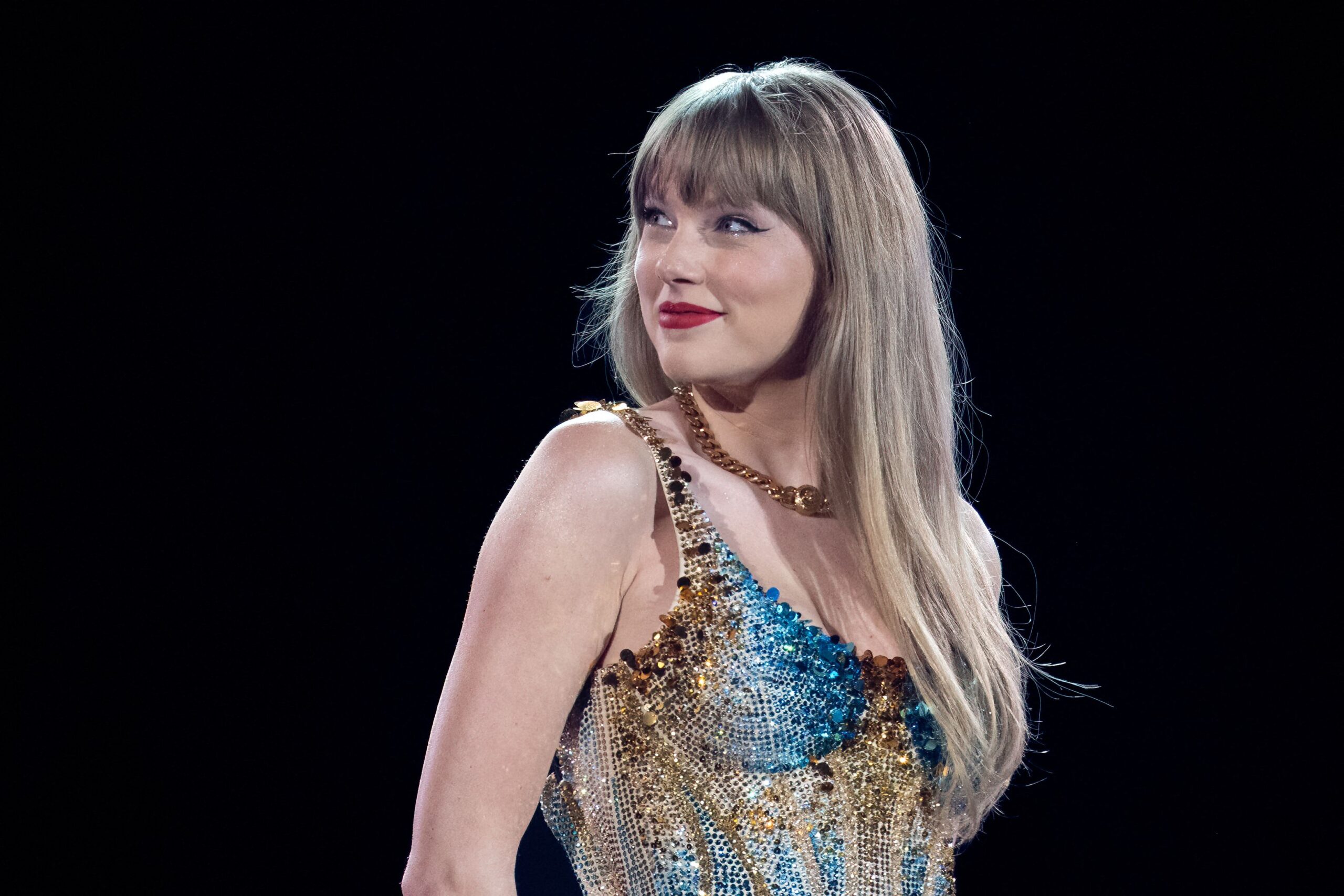
Taylor Swift has reportedly taken a decisive legal step to safeguard her identity by filing trademark applications covering her voice and likeness, a move aimed at preventing the unauthorized use of her persona in AI-generated deepfake content. The filings reflect growing concern among high-profile individuals over the rapid advancement of artificial intelligence tools capable of replicating voices and images with striking realism. As deepfake technology becomes more accessible, the risk of misuse—ranging from misleading endorsements to reputational harm—has increased significantly. Swift’s action underscores a broader shift in how public figures are seeking to assert control over their digital identities, leveraging intellectual property law to close gaps that technology has opened faster than regulation has evolved. The development also highlights mounting pressure on lawmakers and courts to address the intersection of AI innovation and personal rights in a way that balances creativity with accountability.
Sources
https://www.theepochtimes.com/entertainment/taylor-swift-files-trademarks-for-voice-likeness-in-bid-to-prevent-ai-deepfakes-6018069
https://www.reuters.com/legal/ai-deepfakes-voice-likeness-laws-celebrities-2026-04-20/
https://www.nytimes.com/2026/04/18/technology/ai-deepfake-celebrities-voice-rights.html
Key Takeaways
- High-profile individuals are increasingly turning to trademark law to protect their voice and likeness from AI misuse.
- The rapid advancement of deepfake technology is outpacing existing legal frameworks, creating new vulnerabilities.
- Swift’s filings could set a precedent for how intellectual property rights are used to combat digital impersonation.
In-Depth
The acceleration of artificial intelligence capabilities has forced a reckoning in how identity is defined and protected in the digital age. What was once confined to science fiction—perfectly mimicked voices and hyper-realistic fabricated video—has become a widely available toolset. For public figures, the stakes are particularly high. Their voice and likeness are not just personal attributes but valuable assets tied directly to their brand, influence, and livelihood. When those assets can be replicated without consent, the implications stretch beyond embarrassment into financial exploitation and public deception.
Swift’s move to secure trademark protections is not just a defensive maneuver; it is a recognition that the legal system, while imperfect, still offers one of the few viable avenues for recourse. Trademark law traditionally protects brand identifiers, but its application here signals an evolving interpretation—one that treats a person’s voice and image as extensions of a commercial identity worthy of formal protection. This approach may prove more effective than waiting for sweeping federal legislation, which tends to lag behind technological innovation.
At the same time, this development raises larger questions about where the line should be drawn. Artificial intelligence has legitimate creative and commercial uses, and overly restrictive protections could stifle innovation. However, the current environment leans too heavily in the opposite direction, where bad actors can exploit gaps with minimal consequence. Actions like Swift’s suggest that individuals are no longer willing to wait for regulators to catch up. Instead, they are using every available legal tool to establish boundaries now, setting the stage for what could become a new standard in digital rights enforcement.