

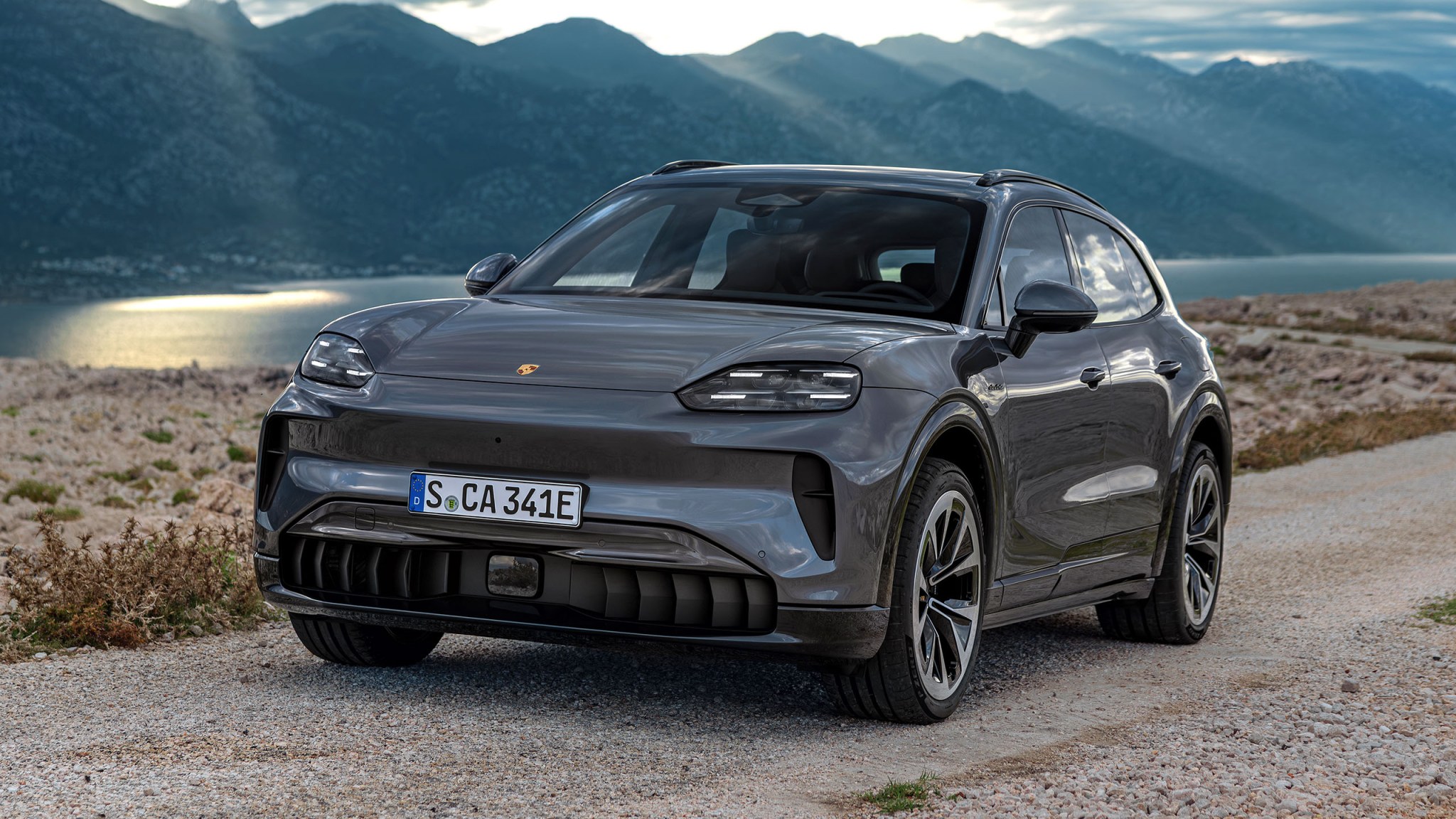
A recent report chronicles a road trip across Costa Rica in an electric vehicle, highlighting both the promise and persistent limitations of green transportation in a country often touted as a leader in clean energy. The journey showcases how expanding charging infrastructure and government incentives have made EV travel more feasible than in years past, yet still far from seamless, as drivers encounter inconsistent charging availability, long wait times, and the logistical challenges of navigating mountainous terrain and rural regions. While the experience underscores the environmental upside and growing viability of electric mobility, it also reveals a reality that policymakers and advocates tend to gloss over: the infrastructure gap remains significant, and widespread adoption depends on continued investment and practical reliability rather than aspirational messaging alone.
Sources
https://www.nytimes.com/2026/05/03/business/costa-rica-electric-vehicle-road-trip.html
https://adventure.com/costa-rica-ev-electric-vehicle-road-trip/
https://en.wikipedia.org/wiki/Electric_car_use_by_country
Key Takeaways
- Costa Rica’s aggressive push into electric vehicles has created a usable but still inconsistent national charging network, particularly outside major travel corridors.
- Real-world EV travel continues to face practical hurdles—range anxiety, charging delays, and infrastructure gaps—that contrast with optimistic policy narratives.
- Government incentives and environmental positioning have accelerated adoption, but long-term success depends on reliability, not just ideology.
In-Depth
There is a tendency in today’s policy-driven climate to portray electric vehicles as a solved problem, a foregone conclusion in the evolution of transportation. But a closer look at a real-world road trip through Costa Rica—one of the most aggressively “green” countries in the Western Hemisphere—tells a more grounded story. Yes, the country has made undeniable strides. Government incentives, tax exemptions, and a clear national commitment to reducing emissions have helped push EV adoption to some of the highest levels in the Americas, with a growing fleet and an expanding charging network.
But progress on paper does not always translate cleanly to performance on the road. Travelers navigating Costa Rica’s varied terrain—dense jungles, steep mountain passes, and long rural stretches—quickly discover that the infrastructure, while improving, is still uneven. Charging stations can be spaced too far apart, occasionally unreliable, and sometimes subject to outages or compatibility issues. What looks viable in a policy report can become a logistical headache when a battery runs low miles from the nearest working charger.
That disconnect matters, because it highlights a broader issue in the EV conversation. There is a difference between early adoption fueled by subsidies and genuine mass-market readiness. Costa Rica’s experience suggests that while environmental ambition is commendable, execution is what ultimately determines success. Drivers need consistency, predictability, and convenience—not just good intentions.
At the same time, the trip also demonstrates why EVs continue to gain traction. Quiet operation, reduced emissions, and compatibility with a country that already generates much of its electricity from renewable sources create a compelling case. In places where infrastructure is strong, the benefits are tangible and immediate.
The bottom line is straightforward: electric vehicles are no longer a novelty, but they are not yet a frictionless replacement for traditional cars either. Costa Rica’s example offers a useful reality check—progress is real, but so are the gaps, and closing those gaps will require sustained investment, not just enthusiasm.