

Close Menu

    Subscribe to Updates

    Get the latest tech news from Tallwire.

      What's Hot

      Standard Chartered CEO Backtracks On AI Replacing Human Workers

      May 23, 2026

      Nvidia CEO Warns U.S. Chip Bans Failing As China Maintains Access To Advanced Technology

      May 23, 2026

      Air Taxis Over Main Street

      May 23, 2026
      Facebook X (Twitter) Instagram
      • Tech
      • AI
      • Get In Touch
      Facebook X (Twitter) LinkedIn
      TallwireTallwire
      • Tech

        Southwest Airlines Moves To Ban Human-Animal Robots From Flights

        May 22, 2026

        Repurposed EV Batteries Raise Growing Safety and Reliability Concerns

        May 21, 2026

        San Francisco Pushes ‘Smart Parking’ As Cities Double Down On Digital Control

        May 18, 2026

        Fervo Energy’s Explosive IPO Signals a New American Energy Gold Rush

        May 17, 2026

        Reddit’s Search Renaissance Signals Shift Away From Big Tech Gatekeepers

        May 15, 2026
      • AI

        Nvidia CEO Warns U.S. Chip Bans Failing As China Maintains Access To Advanced Technology

        May 23, 2026

        Standard Chartered CEO Backtracks On AI Replacing Human Workers

        May 23, 2026

        U.S. Funnels $2 Billion Into Quantum Computing Push to Counter Global Rivals

        May 23, 2026

        US Export Credit Agency Advances Major AI Export Financing Push

        May 23, 2026

        California Deploys AI To Combat Surging Whale Deaths In San Francisco Bay

        May 22, 2026
      • Security

        AI Chatbots Accused Of Exposing Private Phone Numbers In Growing Privacy Nightmare

        May 21, 2026

        Trump Administration Moves Toward Federal Oversight of Advanced AI Models

        May 20, 2026

        China Rejects Dependence On American AI Chips As Nvidia Faces Strategic Setback

        May 20, 2026

        OpenAI’s Quiet Voice-Cloning Acquisition Raises New Deepfake Alarm Bells

        May 19, 2026

        AI Safety Controls Become the New Battleground in Silicon Valley

        May 19, 2026
      • Health

        Big Tech Funnels Millions Into Youth-Focused Brands As Critics Warn Of Social Media Risks

        May 21, 2026

        AI Medical Scribes Trigger New Fight Over Patient Safety And Federal Oversight

        May 18, 2026

        Lawmakers Rebuke Meta Over Restrictions on Legal Ads for Social Media Addiction Claims

        May 12, 2026

        AI’s Soft Seduction Could Quietly Undermine Humanity, Professor Warns

        May 12, 2026

        AI Outperforms Doctors In Emergency Diagnosis Study, Raising Promise And Caution

        May 11, 2026
      • Science

        U.S. Funnels $2 Billion Into Quantum Computing Push to Counter Global Rivals

        May 23, 2026

        California Deploys AI To Combat Surging Whale Deaths In San Francisco Bay

        May 22, 2026

        Fervo Energy’s Explosive IPO Signals a New American Energy Gold Rush

        May 17, 2026

        Earth AI Moves To Vertically Integrate Critical Mineral Discovery

        May 15, 2026

        AI-Driven Lab Automation Accelerates Scientific Discovery While Raising Oversight Concerns

        May 13, 2026
      • Tech

        SpaceX IPO Filing Ignites Wall Street Frenation Over Musk’s Expanding Empire

        May 23, 2026

        AI Arms Race Is Turning The Hiring Process Into A Digital Circus

        May 21, 2026

        Bezos Blasts AOC’s Billionaire Attacks As Debate Over Wealth And Capitalism Intensifies

        May 20, 2026

        Americans Push Back Against ‘Smart Everything’ Culture

        May 20, 2026

        Altman Pushes Back Against Musk Allegations in High-Stakes OpenAI Trial

        May 16, 2026
      TallwireTallwire
      Home»Government»Nvidia CEO Warns U.S. Chip Bans Failing As China Maintains Access To Advanced Technology
      Government

      Nvidia CEO Warns U.S. Chip Bans Failing As China Maintains Access To Advanced Technology

      4 Mins Read
      Facebook Twitter Pinterest LinkedIn Tumblr Email
      China’s AI Threat Becomes Bipartisan U.S. Security Focus In Wake Of Controversial Chip Policy
      China’s AI Threat Becomes Bipartisan U.S. Security Focus In Wake Of Controversial Chip Policy
      Share
      Facebook Twitter LinkedIn Pinterest Email

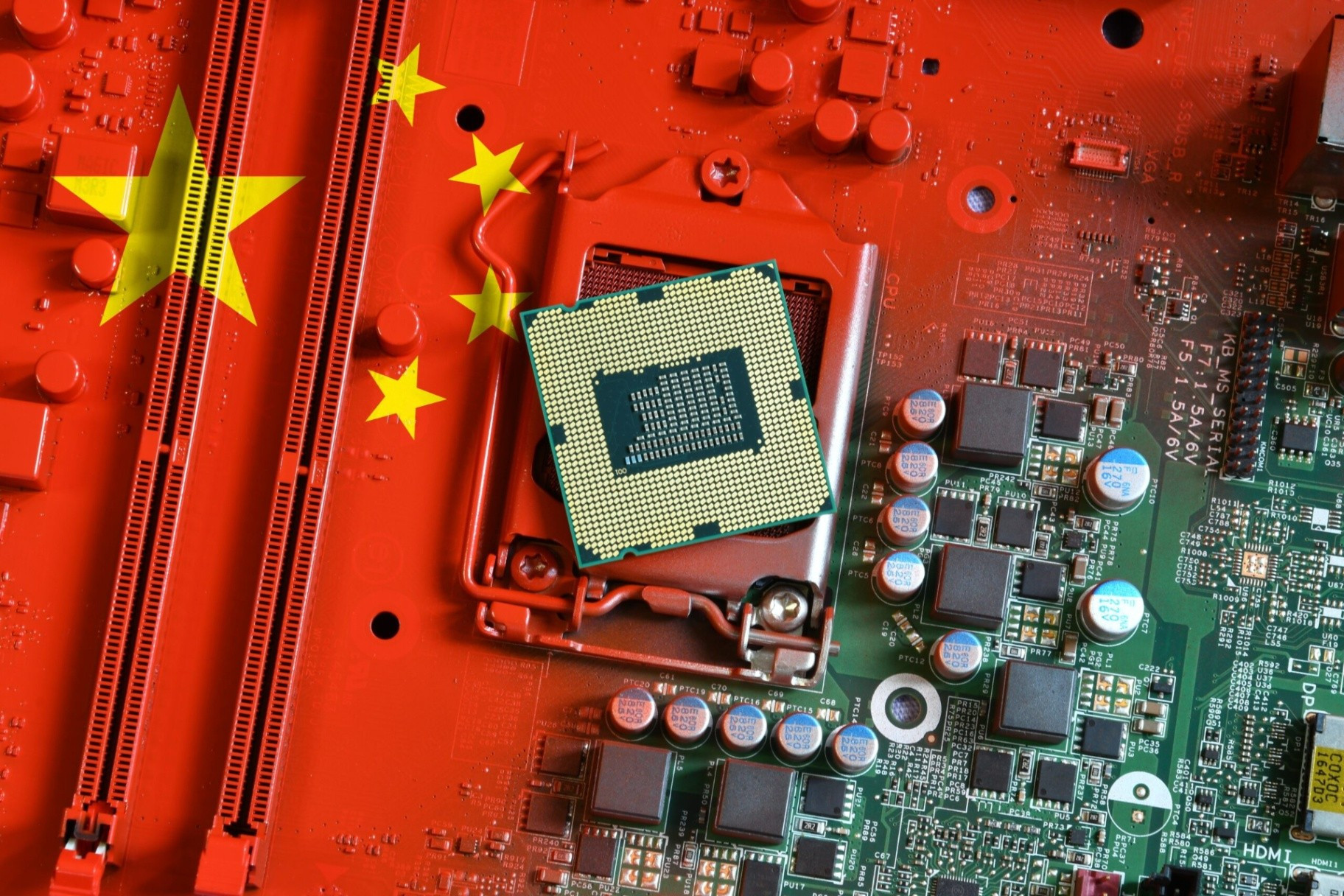
      Nvidia‘s chief executive has sounded a clear alarm that U.S. export controls aimed at restricting China’s access to advanced semiconductors are not achieving their intended effect, arguing that Chinese firms continue to obtain high-performance chips through workarounds, domestic innovation, and alternative supply channels, raising serious questions about whether Washington’s strategy is weakening American companies more than it is constraining Beijing; his remarks highlight a growing tension between national security policy and market realities, as U.S. firms face lost revenue, reduced global competitiveness, and a potential acceleration of China’s push for technological self-sufficiency, all while the global semiconductor ecosystem becomes more fragmented and politically charged.

      Sources

      https://www.foxbusiness.com/technology/nvidia-ceo-jensen-huang-warns-china-has-all-chips-despite-us-bans
      https://www.reuters.com/technology/nvidia-ceo-says-us-chip-curbs-are-failing-stop-china-2026-05-20/
      https://www.wsj.com/tech/nvidia-ceo-criticizes-us-export-controls-on-china-chips-2026-05-21

      Key Takeaways

      • U.S. export controls are not effectively preventing China from accessing advanced chips, according to industry leadership.
      • American semiconductor companies risk losing market share and revenue while China accelerates domestic innovation.
      • The policy may be reshaping global tech competition in ways that ultimately undermine U.S. economic and strategic positioning.

      In-Depth

      What’s emerging from this situation is a classic example of policy colliding with reality—and reality refusing to cooperate. The intention behind restricting advanced semiconductor exports to China was straightforward: slow down Beijing’s technological and military advancement by cutting off access to the most powerful chips in the world. On paper, that makes sense. In practice, it’s proving far messier.

      The core issue is that technology ecosystems don’t operate neatly within national borders anymore. Supply chains are global, innovation is distributed, and demand is relentless. When a major market like China is told it can’t buy from one source, it doesn’t simply stop—it adapts. That adaptation is exactly what Nvidia’s leadership is warning about. Chinese firms are finding alternative routes, whether through stockpiling, third-party intermediaries, gray-market channels, or accelerating their own domestic chip development. None of those outcomes align with the original goal of limiting capability.

      At the same time, American companies are taking a direct hit. China represents one of the largest semiconductor markets in the world. When U.S. firms are restricted from selling into that market, they don’t just lose short-term revenue—they lose long-term influence. Market presence matters in tech. It shapes standards, ecosystems, and future dependencies. If U.S. firms are absent, Chinese or other foreign competitors step in, filling the void and building relationships that don’t easily reverse.

      There’s also a strategic irony here. By forcing China to rely less on foreign chips, these restrictions may actually be accelerating the very independence they were meant to prevent. Governments under pressure tend to invest heavily in domestic capability, and China has both the resources and the political will to do exactly that. Over time, that could produce a more self-sufficient and competitive Chinese semiconductor industry, one less reliant on Western technology altogether.

      From a broader economic perspective, this kind of fragmentation introduces inefficiencies into the global system. Instead of one interconnected market driving scale and innovation, you end up with parallel ecosystems—less efficient, more expensive, and often duplicative. That’s not just a problem for companies; it’s a drag on overall technological progress.

      Supporters of the restrictions argue that national security has to come first, and there’s merit to that argument. Advanced chips power everything from artificial intelligence to military systems. But the challenge is calibration. If the controls are too loose, they don’t achieve their purpose. If they’re too strict, they risk backfiring—hurting domestic industry while failing to stop the intended target.

      What Nvidia’s warning really underscores is that this balance hasn’t been found yet. The current approach appears to be imposing real costs on U.S. companies without delivering a decisive strategic advantage. That’s a problem policymakers can’t afford to ignore, especially as the competition between the U.S. and China increasingly centers on technological dominance.

      In the end, this isn’t just about chips—it’s about whether policy can realistically keep pace with a fast-moving, globally integrated industry. Right now, the evidence suggests it’s struggling to do so.

      Intel Nvidia
      Share. Facebook Twitter Pinterest LinkedIn Tumblr Email
      Previous ArticleAir Taxis Over Main Street
      Next Article Standard Chartered CEO Backtracks On AI Replacing Human Workers

      Related Posts

      Standard Chartered CEO Backtracks On AI Replacing Human Workers

      May 23, 2026

      Young Tech Leaders Push Back Against Britain’s Capital Gains Tax Overhaul

      May 23, 2026

      SpaceX IPO Filing Ignites Wall Street Frenation Over Musk’s Expanding Empire

      May 23, 2026

      US Export Credit Agency Advances Major AI Export Financing Push

      May 23, 2026
      Add A Comment
      Leave A Reply Cancel Reply

      Editors Picks

      Southwest Airlines Moves To Ban Human-Animal Robots From Flights

      May 22, 2026

      Repurposed EV Batteries Raise Growing Safety and Reliability Concerns

      May 21, 2026

      San Francisco Pushes ‘Smart Parking’ As Cities Double Down On Digital Control

      May 18, 2026

      Fervo Energy’s Explosive IPO Signals a New American Energy Gold Rush

      May 17, 2026
      Popular Topics
      Tesla Cybertruck Satya Nadella Series A Startup starlink Tim Cook Samsung SpaceX Series B Space Tesla spotlight Taiwan Tech Software Satellite trending Stocks UAE Tech Viral Sundar Pichai
      Major Tech Companies
      • Apple News
      • Google News
      • Meta News
      • Microsoft News
      • Amazon News
      • Samsung News
      • Nvidia News
      • OpenAI News
      • Tesla News
      • AMD News
      • Anthropic News
      • Elbit News
      AI & Emerging Tech
      • AI Regulation News
      • AI Safety News
      • AI Adoption
      • Quantum Computing News
      • Robotics News
      Key People
      • Sam Altman News
      • Jensen Huang News
      • Elon Musk News
      • Mark Zuckerberg News
      • Sundar Pichai News
      • Tim Cook News
      • Satya Nadella News
      • Mustafa Suleyman News
      Global Tech & Policy
      • Israel Tech News
      • India Tech News
      • Taiwan Tech News
      • UAE Tech News
      Startups & Emerging Tech
      • Series A News
      • Series B News
      • Startup News
      Tallwire
      Facebook X (Twitter) LinkedIn Threads Instagram RSS
      • Tech
      • Entertainment
      • Business
      • Government
      • Academia
      • Transportation
      • Legal
      • Press Kit
      © 2026 Tallwire. Optimized by ARMOUR Digital Marketing Agency.

      Type above and press Enter to search. Press Esc to cancel.