

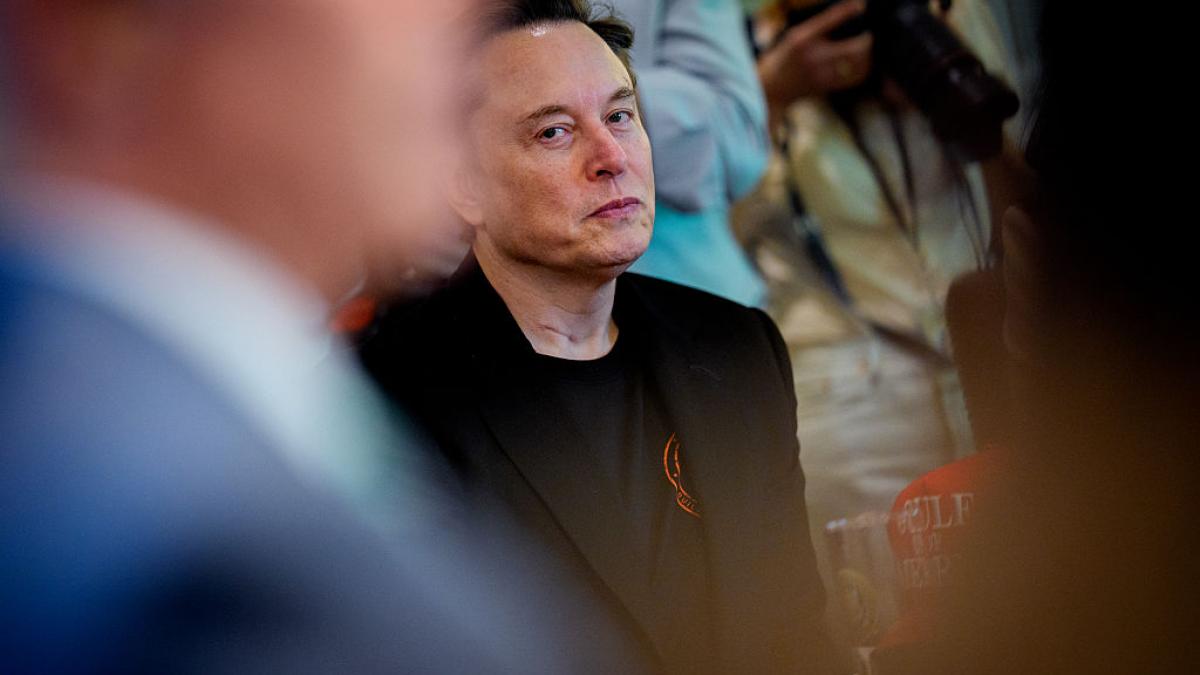
In a sharp escalation of the legal and philosophical battle between Elon Musk and Sam Altman, Musk publicly characterized his early financial backing of OpenAI as a “mistake,” arguing that the organization has strayed from its founding mission of open, safety-focused artificial intelligence development and instead become a profit-driven enterprise closely aligned with corporate interests; the dispute, now playing out in court, underscores deeper tensions over control, transparency, and the future direction of advanced AI systems, with Musk alleging that OpenAI’s transformation into a capped-profit structure and its partnership with major technology firms represents a betrayal of its original charter, while Altman and OpenAI maintain that such evolution was necessary to scale resources, compete globally, and responsibly develop cutting-edge AI technologies.
Sources
https://www.reuters.com/technology/musk-openai-lawsuit-details-2024-03-01/
https://www.bbc.com/news/technology-68440699
https://www.wsj.com/tech/ai/elon-musk-openai-lawsuit-explained-6f3b9f0a
Key Takeaways
- Musk’s criticism centers on OpenAI’s shift from a nonprofit model to a profit-influenced structure, which he argues undermines its founding principles.
- The legal dispute reflects broader ideological divisions over how artificial intelligence should be governed, funded, and controlled.
- The outcome of this conflict could shape public trust, regulatory direction, and competitive dynamics within the rapidly evolving AI sector.
In-Depth
The growing rift between Elon Musk and Sam Altman is about more than personal grievances—it’s a proxy battle over the soul of artificial intelligence. Musk’s claim that he was a “fool” to fund OpenAI in its infancy signals a deep frustration with what he sees as a bait-and-switch: a nonprofit initiative built on transparency and safety evolving into a powerful, commercially aligned entity. From a skeptical vantage point, that evolution raises legitimate concerns about whether the incentives now driving AI development are aligned with the public interest or with shareholder returns and geopolitical competition.
Altman’s position, however, reflects a different reality. Developing advanced AI systems requires immense capital, talent, and infrastructure—resources that are difficult to assemble without partnerships and profit mechanisms. The defense is straightforward: without scaling financially, OpenAI risks falling behind rivals, including state-backed efforts abroad. That argument resonates with those who prioritize technological leadership and national competitiveness.
Still, Musk’s critique taps into a broader unease. When organizations pivot away from their founding ideals, particularly in sectors with civilization-level implications, skepticism is warranted. The consolidation of AI power into fewer hands—whether corporate or governmental—raises fundamental questions about accountability, transparency, and control.
This legal confrontation may ultimately clarify those boundaries. At stake is not just the legacy of OpenAI, but the framework under which future AI systems are built and governed. Whether one sees Musk as a disillusioned founder or a necessary critic, his challenge forces a conversation that policymakers and the public can’t afford to ignore.