

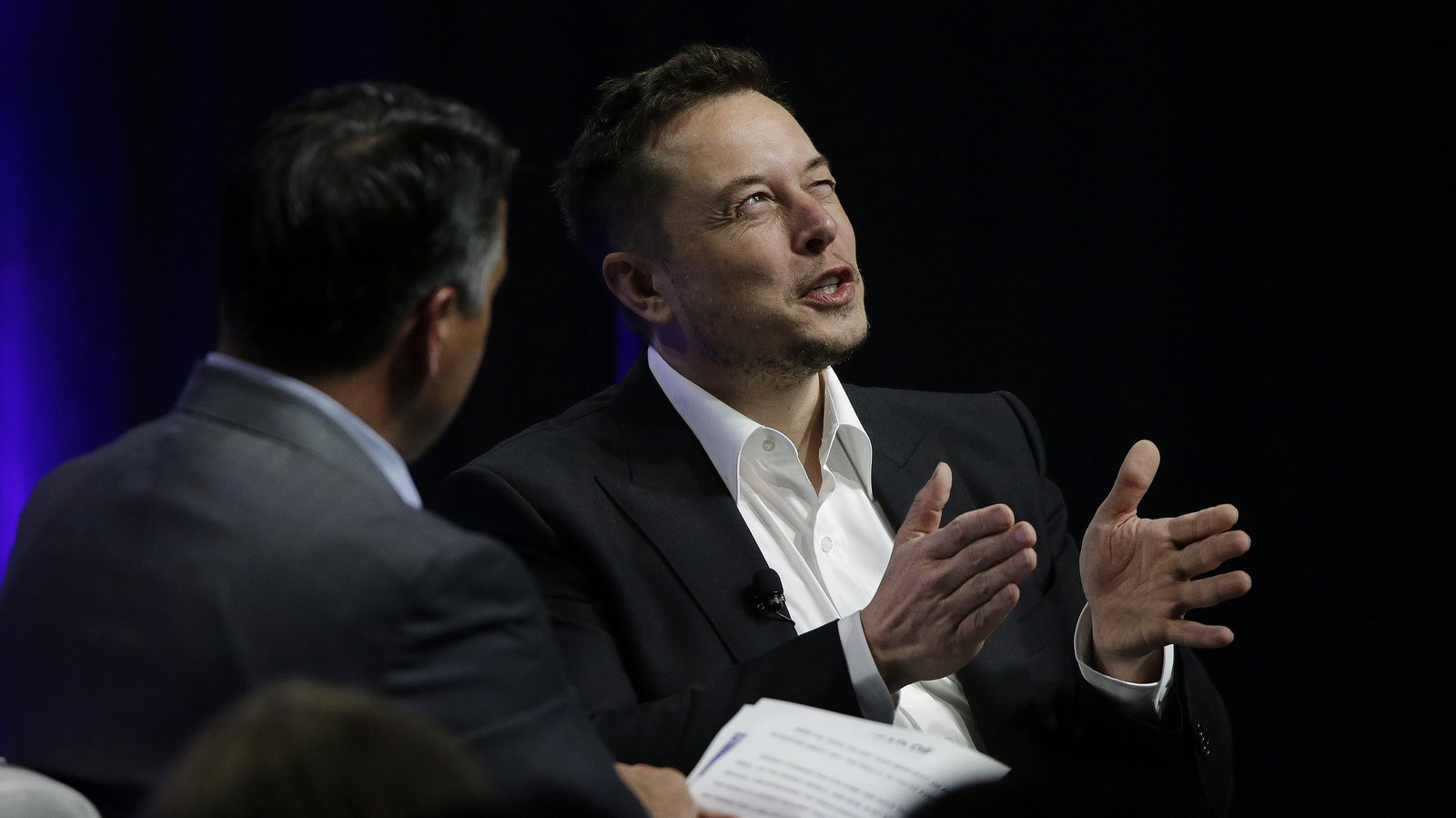
Elon Musk‘s repeated warnings about artificial intelligence—and his ongoing legal clash with Sam Altman—center on a core argument: that the rapid commercialization and consolidation of advanced AI systems risk placing unprecedented power in the hands of a few actors, potentially sidelining public accountability and long-term human safety in favor of profit and speed; by invoking existential stakes, Musk is not only positioning himself as a counterweight to what he views as a drift away from original open principles, but also appealing to regulators, investors, and the public to treat AI development as a civilizational issue rather than just another competitive tech race, a framing that continues to shape both courtroom narratives and broader policy debates.
Sources
https://www.nytimes.com/live/2026/04/29/technology/openai-trial-sam-altman-elon-musk/why-does-elon-musk-talk-so-much-about-saving-humanity
https://www.reuters.com/technology/musk-openai-lawsuit-explained-2026-04-30/
https://www.wsj.com/tech/ai/elon-musk-openai-lawsuit-altman-analysis-2026-04-30
Key Takeaways
- Musk consistently frames artificial intelligence as a high-risk, civilization-level issue to justify regulatory oversight and challenge competitors’ direction.
- The legal dispute reflects a deeper ideological divide over whether AI should remain open and safety-focused or evolve into a profit-driven, closed ecosystem.
- Public messaging around “saving humanity” is both a strategic narrative and a policy signal aimed at influencing regulators and public opinion.
In-Depth
Elon Musk’s rhetoric about “saving humanity” through responsible AI development isn’t just philosophical—it’s strategic, calculated, and deeply tied to the current legal and competitive landscape. At the heart of the dispute is a fundamental disagreement about what artificial intelligence should become. Musk argues that the technology carries existential risks and therefore demands transparency, restraint, and accountability. His critics counter that innovation requires scale, capital, and speed—factors that often align more naturally with commercial structures than with open, idealistic frameworks.
What makes Musk’s approach notable is his willingness to elevate the conversation beyond technical or business concerns. By framing AI as a potential threat to civilization, he shifts the debate into territory that invites government intervention and public scrutiny. That’s not accidental. When the stakes are framed as existential, it becomes far easier to argue for regulatory guardrails, oversight mechanisms, and structural changes that might otherwise face resistance in a purely market-driven environment.
At the same time, this narrative serves another purpose: it draws a clear contrast between Musk’s vision and that of his rivals. Where others emphasize rapid deployment and competitive advantage, Musk positions himself as a reluctant guardian, warning that unchecked development could lead to unintended consequences. Whether that stance is purely principled or partly strategic is open to interpretation, but it undeniably resonates in a climate where concerns about AI safety are growing.
Ultimately, the legal battle is just one front in a broader ideological conflict. The outcome won’t simply determine corporate control or contractual obligations—it could influence how policymakers, investors, and the public define the acceptable boundaries of AI development moving forward.