

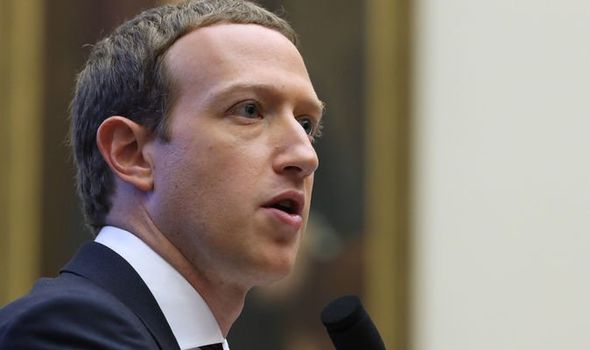
A bipartisan group of U.S. senators is pushing back against Mark Zuckerberg and his company Meta Platforms after reports that the platform restricted or blocked advertisements from law firms representing individuals claiming harm from social media addiction, arguing that the move raises serious concerns about corporate overreach and the suppression of legitimate legal recourse; critics, including Marsha Blackburn and Amy Klobuchar, say the decision is particularly troubling given the growing body of evidence tying excessive social media use to mental health issues among minors, and they warn that limiting access to legal representation through ad restrictions could tilt the playing field in favor of powerful tech companies while undermining accountability.
Sources
https://nypost.com/2026/05/01/business/blackburn-klobuchar-slam-mark-zuckerberg-for-banning-law-firm-ads-for-victims-of-social-media-addiction-disturbing/
https://www.reuters.com/technology/us-senators-criticize-meta-over-ad-restrictions-law-firms-2026-05-02/
https://www.cnbc.com/2026/05/02/meta-ad-policies-criticized-by-lawmakers-over-social-media-addiction-lawsuits.html
Key Takeaways
- Lawmakers from both parties are raising concerns that restricting legal advertisements shields large tech companies from accountability.
- The dispute highlights growing scrutiny over the link between social media use and mental health, especially among younger users.
- Critics argue that limiting law firm outreach could interfere with individuals’ ability to pursue legitimate legal claims.
In-Depth
The clash between lawmakers and Meta underscores a broader and increasingly contentious debate over the role of large technology companies in shaping access to information, legal remedies, and public discourse. At the center of the controversy is the company’s reported decision to restrict or reject advertisements placed by law firms seeking clients for lawsuits tied to social media addiction and its alleged harms. While Meta has framed its advertising policies as a matter of maintaining platform integrity and preventing misleading or exploitative content, critics see something more calculated: a powerful corporation potentially insulating itself from a growing wave of litigation.
From a policy standpoint, the bipartisan nature of the criticism is notable. When lawmakers from different ideological camps align, it often signals that the issue cuts deeper than routine partisan disagreement. In this case, the concern is not just about advertising rules—it is about whether a dominant digital platform can effectively limit the visibility of legal options available to individuals who believe they have been harmed. That dynamic raises uncomfortable questions about fairness, particularly when the same platform being accused of harm also controls the channels through which potential plaintiffs might seek representation.
The issue also arrives at a moment when public awareness of social media’s psychological impact is reaching new heights. Studies, whistleblower accounts, and internal documents have all contributed to a narrative that these platforms may knowingly design features that encourage compulsive use. For families dealing with the consequences—especially those involving minors—the ability to connect with legal counsel is not a trivial matter. Restricting that pathway, critics argue, risks compounding the harm.
There is also a philosophical dimension to the dispute that resonates with broader conservative concerns about concentrated power. When a handful of corporations control vast swaths of communication infrastructure, their internal policies can carry consequences that extend well beyond their stated intent. Even if the restrictions are not explicitly designed to suppress legal claims, the effect may be similar. And in a system that values open markets and equal access to justice, that perception alone is enough to draw scrutiny.
Ultimately, this confrontation may prove to be an early indicator of how future battles between regulators and tech giants will unfold. As lawsuits tied to social media addiction gain traction, and as more individuals seek accountability, the question will not only be whether those claims succeed in court, but whether they are allowed to reach the public in the first place.