

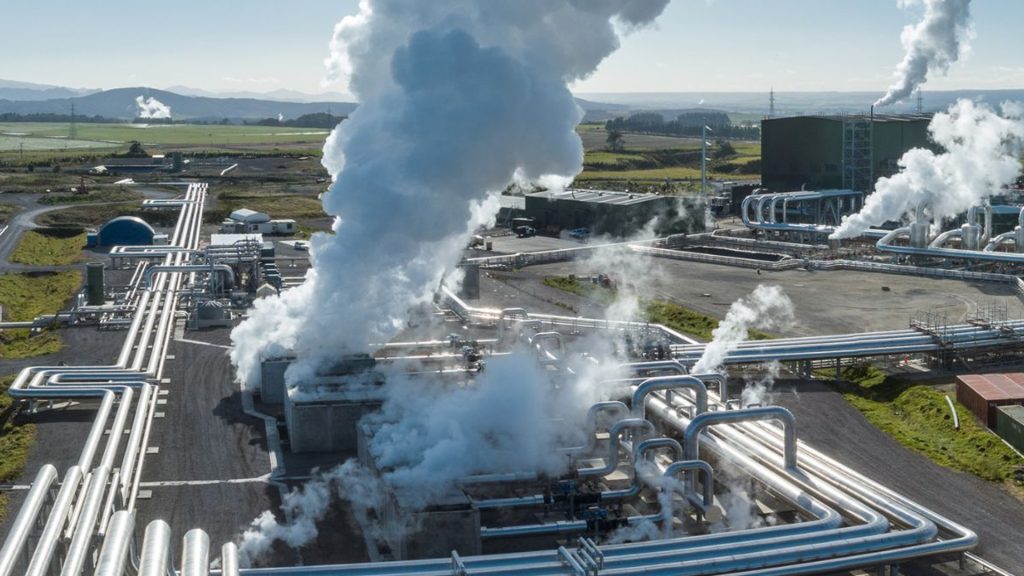
Wall Street’s roaring embrace of geothermal startup Fervo Energy marks more than just another flashy clean-energy IPO; it signals a major shift in how investors, policymakers, and the private sector are beginning to think about America’s future energy dominance. The Houston-based company surged in its Nasdaq debut after raising roughly $1.89 billion, propelled by growing demand for reliable baseload electricity as artificial intelligence infrastructure, data centers, domestic manufacturing, and electrification strain the national grid. Unlike politically favored but intermittent wind and solar projects, geothermal offers around-the-clock power generation, making it increasingly attractive to investors searching for scalable energy sources that do not collapse when the sun sets or the wind stops blowing. Fervo’s model borrows heavily from the American shale revolution, adapting horizontal drilling and fracking technologies pioneered by the oil-and-gas industry to unlock underground heat resources once considered commercially unreachable. The company’s rapid ascent also highlights a broader political realignment, with even traditionally skeptical conservatives beginning to support geothermal because it pairs technological innovation, domestic energy security, private-sector capitalism, and grid reliability without demanding the lifestyle sacrifices often attached to progressive climate activism.
Sources
https://www.reuters.com/business/energy/fervo-energy-valued-1021-billion-shares-rise-nasdaq-debut-2026-05-13
https://www.wsj.com/business/energy-oil/geothermal-champion-fervo-energys-shares-soar-in-trading-debut-60e6e7e8
https://www.ft.com/content/fd5ca76d-23b7-42b5-a09d-0a1fd7d1de01
https://finance.yahoo.com/news/geothermal-startup-fervo-energy-pops-174220777.html
Key Takeaways
- Fervo Energy’s blockbuster IPO demonstrates that investors increasingly view geothermal power as a serious long-term solution for America’s exploding electricity demand driven by AI, manufacturing expansion, and electrification.
- The company’s technology relies heavily on drilling and hydraulic fracturing methods originally perfected by the oil-and-gas industry, reinforcing the argument that America’s traditional energy sector remains central to future innovation.
- Geothermal energy is gaining bipartisan support because it offers reliable “always-on” power generation without the intermittency problems associated with wind and solar energy systems.
In-Depth
For years, the American energy debate has been trapped between climate activists demanding rapid decarbonization and economic realists warning that unreliable energy policies would eventually cripple industrial growth. Fervo Energy’s market debut may represent the first major sign that a different path is emerging — one rooted not in anti-industrial ideology, but in American engineering and energy pragmatism.
What makes geothermal attractive is simple: reliability. Wind turbines stop spinning. Solar panels stop producing after sunset. Geothermal systems, however, can generate electricity continuously, making them attractive for a modern economy increasingly dependent on energy-intensive technologies like artificial intelligence and hyperscale data centers. Investors clearly understand this dynamic, which explains why Fervo’s shares exploded upward almost immediately after its debut.
Perhaps most importantly, Fervo’s success completely undermines the false narrative that traditional energy expertise has no place in the future economy. The company’s core technology depends heavily on horizontal drilling and hydraulic fracturing techniques pioneered during America’s shale boom. In other words, the same industrial knowledge that environmental activists spent years demonizing may now become essential to the next generation of clean, dependable energy production.
The political implications are equally significant. Conservatives who rightfully criticized reckless green-energy mandates are finding geothermal easier to support because it prioritizes grid stability, domestic production, technological innovation, and private-sector growth over government coercion. Even the Trump administration’s broader energy posture appears to be encouraging renewed investor confidence in scalable domestic power generation projects.
Whether geothermal ultimately fulfills the enormous expectations surrounding it remains uncertain. Scaling infrastructure, reducing drilling costs, and expanding transmission capacity remain major challenges. But for now, Fervo’s debut has sent a loud message through both Wall Street and Washington: America’s next energy revolution may not come from abandoning its industrial strengths, but from modernizing and repurposing them.