

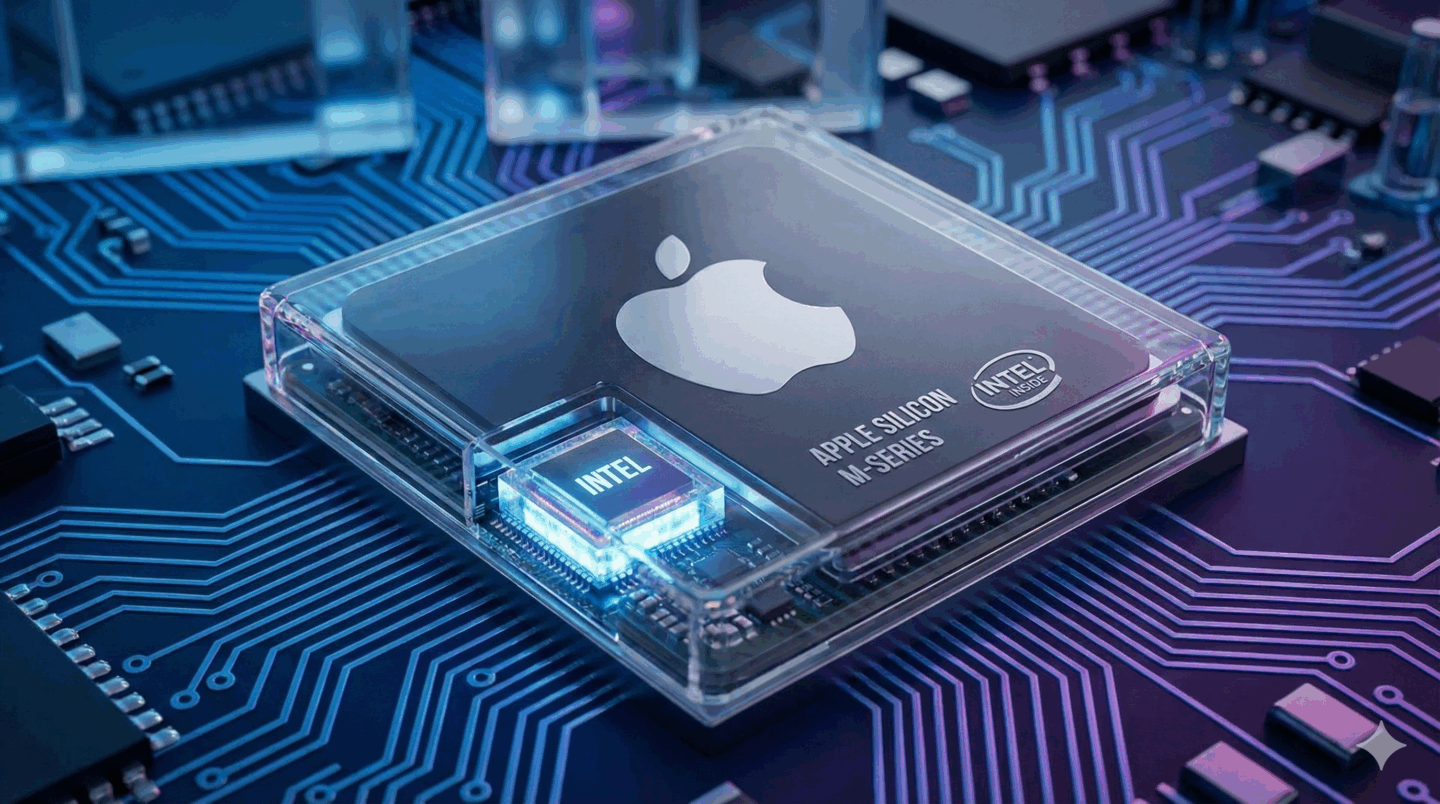
President Donald Trump announced that Apple has agreed to work with Intel to design and manufacture certain chips in the United States, a move that could represent one of the most significant victories yet for efforts to restore advanced semiconductor production to American soil. While Apple and Intel had not publicly confirmed the full scope of the arrangement at the time of reporting, multiple outlets indicated that a preliminary agreement had been reached after lengthy negotiations. The reported partnership would reduce reliance on overseas manufacturing, strengthen domestic supply chains, bolster Intel’s foundry business, and advance the broader objective of restoring America’s technological and industrial independence in a sector critical to both economic prosperity and national security. Intel’s stock surged on the news, reflecting investor confidence that the company may finally be emerging as a serious competitor in advanced chip manufacturing.
Sources
- https://www.reuters.com/business/trump-says-apple-work-with-intel-manufacture-chips-us-2026-06-18
- https://www.wsj.com/tech/apple-intel-have-reached-preliminary-chip-making-agreement-69eb9370
- https://www.marketwatch.com/story/intel-shares-rally-as-trump-says-company-will-build-chips-for-apple-in-the-u-s-c72d8c88
- https://www.macrumors.com/2026/06/18/apple-make-chips-us-intel-trump-says
Key Takeaways
- Apple’s reported decision to manufacture at least some chips through Intel would mark a substantial shift toward domestic semiconductor production and away from concentrated dependence on overseas foundries.
- The agreement would provide Intel with a major flagship customer, strengthening its effort to become a world-class contract chip manufacturer and potentially improving the economics of its foundry business.
- The development reflects a broader push by the Trump administration to rebuild strategic American manufacturing capacity in industries viewed as essential to economic competitiveness and national security.
In-Depth
For years, policymakers warned that allowing critical semiconductor manufacturing capacity to migrate overseas posed both an economic and national-security risk. The reported Apple-Intel partnership suggests those warnings are finally being taken seriously. If the agreement proceeds as described, one of America’s most valuable technology companies will rely in part on an American manufacturer to produce advanced chips on U.S. soil rather than depending almost exclusively on foreign facilities.
The significance extends well beyond Apple and Intel. Semiconductor production is the backbone of modern technology, powering everything from smartphones and artificial intelligence systems to military platforms and critical infrastructure. A nation that cannot manufacture advanced chips at scale risks surrendering both economic leverage and strategic autonomy. The reported deal therefore represents a meaningful step toward reversing decades of offshoring that hollowed out portions of America’s industrial base.
From a conservative perspective, the development validates the argument that domestic production matters. Resilient supply chains, technological leadership, and national security are difficult to maintain when key manufacturing capabilities reside abroad. Bringing more chip production home creates jobs, strengthens the industrial ecosystem, and reduces vulnerability to geopolitical disruptions.
Intel also stands to benefit enormously. Securing Apple as a manufacturing customer would provide powerful validation of Intel’s turnaround strategy and its effort to compete for outside business. Investors clearly recognized that potential, sending shares sharply higher following the announcement. While many details remain unresolved, the broader message is unmistakable: America appears increasingly committed to rebuilding its capacity to design and manufacture the technologies that will define the twenty-first century.