

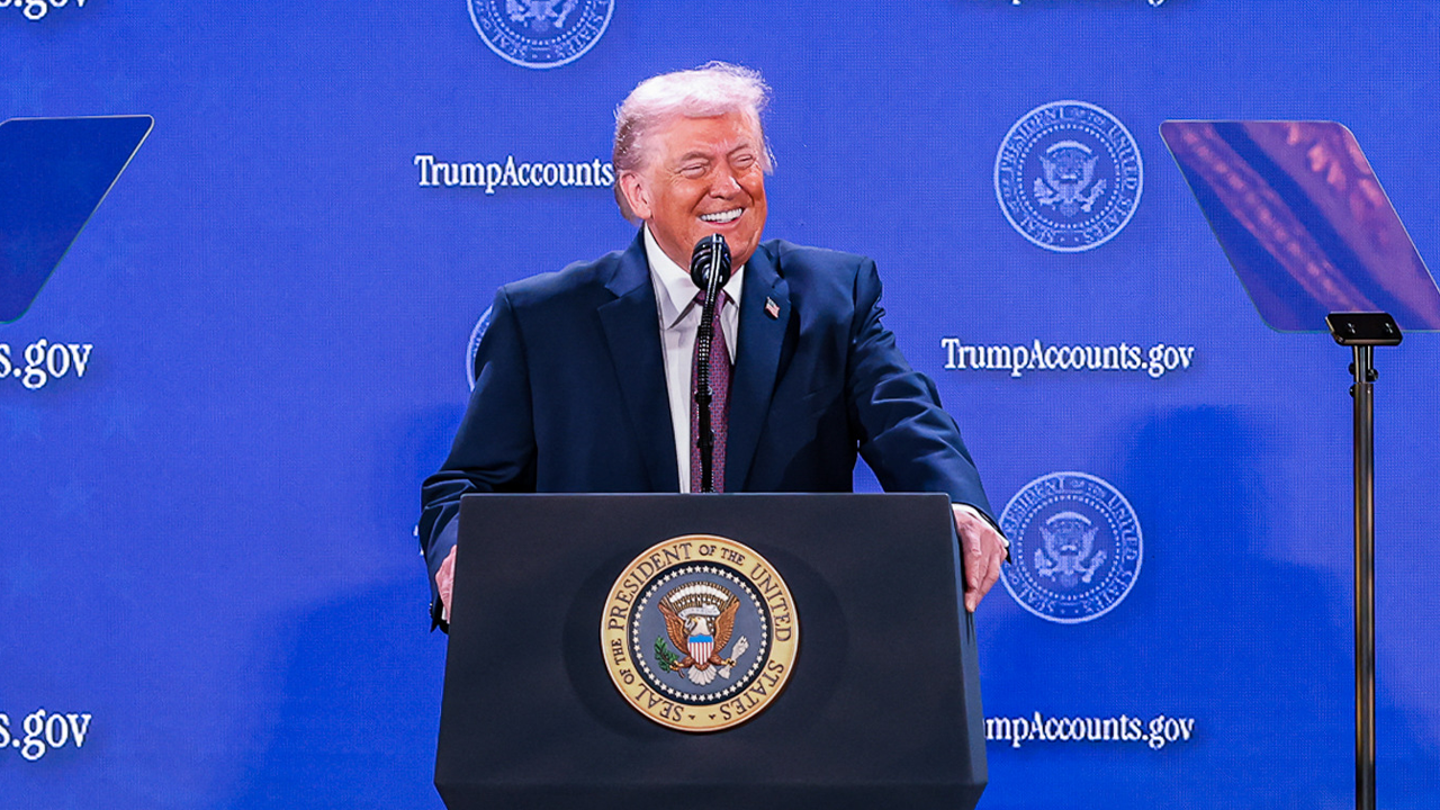
President Donald Trump said he no longer views artificial intelligence company Anthropic as a national security threat after recent discussions with company leadership, marking a significant reversal from the administration’s earlier hardline stance. Just months ago, Anthropic had been labeled a national security concern amid disputes over military applications of AI, foreign access to advanced models, and compliance with federal directives. The thaw appears to have followed direct engagement between Trump and Anthropic CEO Dario Amodei during international meetings, with Trump indicating that relations have improved and negotiations are proceeding constructively. The development reflects the administration’s broader effort to balance aggressive national security safeguards with maintaining American leadership in the increasingly competitive global AI race, particularly against China.
Sources
- https://www.axios.com/2026/06/19/trump-anthropic-national-security-the-axios-show
- https://www.reuters.com/world/trump-says-negotiations-with-anthropic-are-going-fine-2026-06-17
- https://www.axios.com/2026/06/12/anthropic-trump-mythos-fable-national-security
Key Takeaways
- The Trump administration has moved from treating Anthropic as a potential national security threat to pursuing a more cooperative relationship following discussions with company leadership.
- Concerns over foreign access to advanced AI models remain central to federal policy, demonstrating that national security considerations continue to drive AI regulation.
- The episode highlights the growing recognition that maintaining U.S. technological superiority over China requires cooperation between government and leading American AI firms, even when significant disagreements exist.
In-Depth
The apparent reconciliation between the Trump administration and Anthropic underscores the increasingly complex relationship between Washington and the companies driving the artificial intelligence revolution. Earlier this year, tensions escalated dramatically when federal officials raised concerns about foreign access to Anthropic’s most advanced AI models and questioned whether the company’s policies adequately protected American national security interests. Those concerns led to significant restrictions and fueled speculation that the administration might pursue even more aggressive actions against the firm.
From a conservative perspective, the administration’s initial posture was understandable. Advanced AI is rapidly becoming a strategic asset with implications for military superiority, intelligence operations, cybersecurity, and economic competitiveness. Any indication that cutting-edge systems could be accessed by foreign adversaries, directly or indirectly, demands serious scrutiny. The federal government has a legitimate obligation to ensure that technologies developed in the United States do not strengthen geopolitical rivals, especially the Chinese Communist Party.
At the same time, America’s AI leadership depends heavily on the success of domestic innovators. A prolonged conflict between Washington and one of the nation’s leading AI companies would risk weakening the very technological ecosystem that policymakers seek to protect. Trump’s latest comments suggest recognition of that reality. Rather than allowing disagreements to harden into a lasting rupture, the administration appears to be pursuing a framework that protects national security while keeping American AI firms at the forefront of global innovation.
The result is a pragmatic shift that prioritizes both security and competitiveness. As the race for AI dominance accelerates, that balance is likely to become an increasingly important feature of U.S. policy.